Mascara is the highest-stakes £10 in beauty: the difference between a great budget mascara and a bad one is the difference between defined, lifted lashes and the dreaded panda eye by 3pm. And most people get it wrong when choosing the best budget mascara under £15 in Cornwall — or anywhere — because they shop by brand hype instead of by brush, formula and their own lash type. This guide explains what actually determines mascara performance, the mistakes that doom the purchase, and how to find your £8 holy grail.
The liberating truth about mascara: it is the category where budget most convincingly beats luxury. The formulas are mature technology, the price differences fund packaging and advertising, and blind tests repeatedly rank £7–£12 mascaras above £30 designer ones. This is the product to cheap out on — if you know what to look for.
Mistake 1: Choosing by Brand Instead of Brush
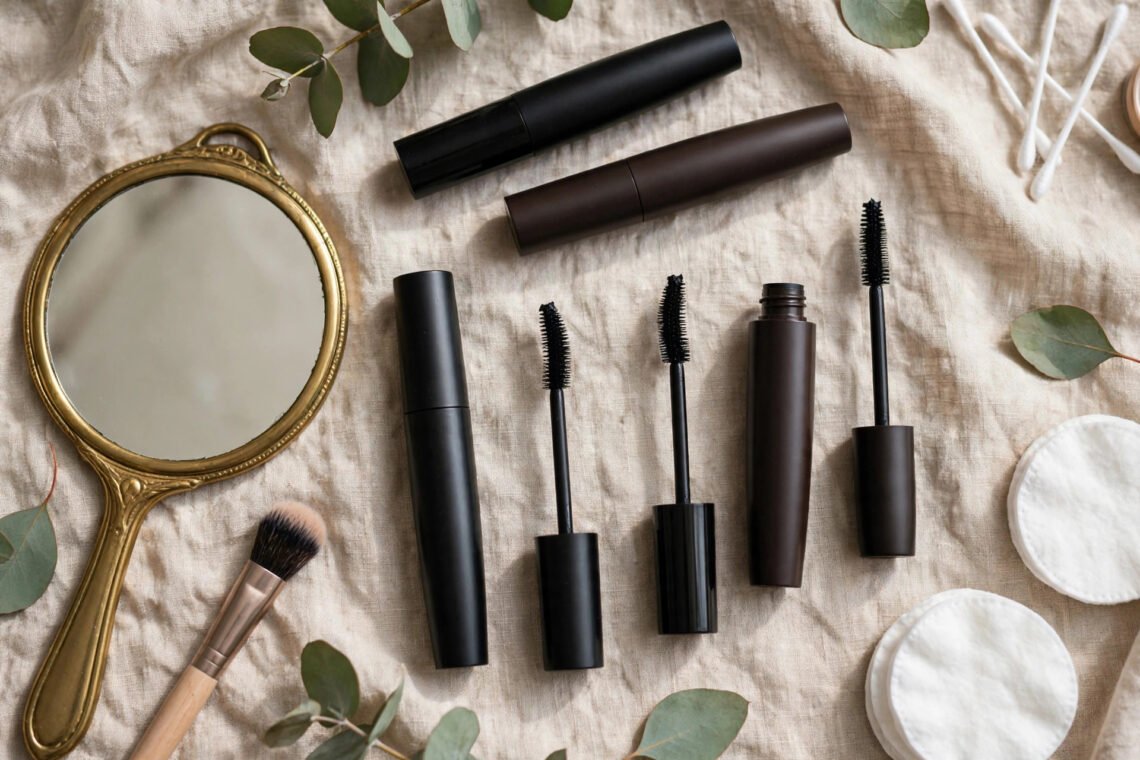
The brush determines 70% of the result — more than the formula. Bristle brushes (traditional) offer control and separation; rubber/silicone spiky wands grip and lengthen but can clump if overloaded; curved wands lift and curl; fat fluffy wands volumise but smudge on deep-set eyes; skinny precision wands suit short or lower lashes. Your lash type dictates the brush: short straight lashes need a lengthening rubber wand plus curling; long lashes need a separating bristle brush to avoid spider-legs; sparse lashes need a volumising brush; sensitive eyes need a smaller wand that does not stab the waterline.
The mistake is buying the mascara everyone raves about without considering whether its brush suits your lashes — the viral volumising monster-wand is terrible on short lower lashes, however beloved. In-store, pull the tester wand and look at it properly; online, zoom the product images. The brush tells you what the mascara does. Which? independently tests mascaras across price points, with brush analysis the marketing never provides.
Mistake 2: Ignoring Formula Behaviour
Formulas differ in ways that matter daily. Standard washable mascara suits most people and removes easily; waterproof survives tears, rain and Cornish coastal humidity but needs oil-based remover and regular use can dry lashes; tubing mascara (forms water-resistant tubes around each lash) is the unsung hero — smudge-proof through heat and tears, yet removes with just warm water and gentle pressure. For most UK wearers, tubing is the best of both worlds and the category’s best-kept budget secret (several excellent tubing mascaras sit under £12).
Fibre mascaras add tiny fibres for length — dramatic but can irritate sensitive eyes and flake. “Clean” or natural mascaras perform worst on average in wear tests — the waxes that make conventional mascara work are hard to replace. And fresh matters: mascara should be replaced every 3 months (bacteria thrive in the dark moist tube — eye infections from old mascara are real and unpleasant; the NHS advice on conjunctivitis covers when eye irritation needs professional attention), so the budget price is also a hygiene advantage: replacing a £8 mascara quarterly is painless; replacing a £32 one is not.
Mistake 3: Bad Application Habits
Pumping the wand — the instinctive in-out motion — forces air into the tube, drying the formula and breeding bacteria; instead, swirl the wand inside. Applying to uncurled lashes then complaining about droop: curl first (heated curlers work best on stubbornly straight lashes), then apply. Too many coats: two thin coats beat four thick ones — overloading causes the clumps and smudging blamed on the product. Neglecting lower lashes or drowning them: one light coat on lowers, or skip them if smudging plagues you.
The panda-eye fix is usually not a new mascara but a new approach: tubing formula, lash primer or translucent powder under the eyes to catch fallout, and waterproof only on the lower lashes if uppers are fine. And remove properly — waterproof and long-wear formulas need oil-based or dual-phase remover held on a pad for 30 seconds, not scrubbing, which breaks lashes and irritates eyes.
The Budget Shortlist: What to Actually Buy
Under £15, the consistent winners across independent tests and makeup-artist recommendations: Maybelline Lash Sensational (the rubber-wand lengthening benchmark, ~£10), Maybelline Sky High (tubing-like wear, enormous popularity, ~£11), L’Oréal Telescopic (precision lengthening, ~£11), Rimmel Wonder’Volume (budget volumising, ~£8), and Essence Lash Princess (the £4 phenomenon that outperforms mascaras five times its price). For tubing specifically: No7 Stay Perfect and Boots’ own tubing options deliver smudge-proof wear under £12.
Buy where you can test: Boots and Superdrug testers let you inspect the wand, and both run frequent 3-for-2 offers that bring the per-unit cost down further. In Cornwall, the Truro, St Austell and Penzance Boots stores carry the full ranges — no need to order blind online. And remember the replacement rule: at these prices, fresh mascara every season is affordable, which is itself a performance upgrade.
Putting It Together
The method: identify your lash type, choose the brush for it, pick tubing or standard formula by your smudge history, buy at £8–£12 from the proven shortlist, apply two thin coats without pumping, replace quarterly. Total annual cost: £32–£48 for always-fresh, high-performing mascara — less than a single luxury tube that you will guiltily keep for a year.
Great lashes complete the polished everyday look — our guide to looking put-together with minimal effort covers the small details with big impact, and dressing for a dinner date is where your perfected mascara really gets its moment.
Mascara for Sport, Travel and Sensitive Eyes
Specific situations need specific choices. For swimming, running or emotional weddings: true waterproof, applied over curled lashes, removed with oil-based remover — tubing mascaras handle sweat and tears but not full submersion. For travel: mini sizes save space and stay fresher, and tubing formulas survive long-haul flights without the panda-eye that dry cabin air causes. For contact lens wearers and sensitive eyes: ophthalmologist-tested, fragrance-free formulas with smaller wands; avoid fibre mascaras whose particles irritate; and never share mascara — eye infections from shared products are common and unpleasant. For mature eyes: lengthening over volumising (heavy volume drags down looser lids), tubing for smudge-resistance on crepier under-eyes, and a lash primer for extra hold. The budget tier covers all of these — there is no situation requiring a £30 tube.
The Bottom Line
What most people get wrong with budget mascara is shopping by hype instead of matching brush to lash type and formula to lifestyle. The £8–£12 tier — Maybelline, L’Oréal, Rimmel, Essence — beats luxury in blind tests; tubing formulas solve most smudging; two thin coats beat four thick ones; and quarterly replacement is a feature of the price, not a bug. In mascara, cheap is not a compromise — it is the smart choice.
Frequently Asked Questions
What is the best budget mascara under £15 in the UK?
Consistent winners include Maybelline Lash Sensational and Sky High (~£10–£11), L’Oréal Telescopic (~£11) and Essence Lash Princess (~£4). Match the brush to your lash type rather than buying on hype alone.
What is tubing mascara and is it better?
Tubing mascara forms water-resistant tubes around each lash — smudge-proof through tears and humidity but removable with just warm water. For most people it is the best all-round formula choice.
How often should I replace mascara?
Every 3 months — bacteria thrive in the tube and old mascara causes eye infections and performs worse. The budget price makes quarterly replacement painless.
Why does my mascara smudge under my eyes?
Usually oily eyelids, too-heavy application, or a formula unsuited to you. Try a tubing formula, one light coat, translucent powder under the eyes, and waterproof only on lower lashes.
Should I pump the mascara wand?
No — pumping forces air in, drying the formula and introducing bacteria. Swirl the wand inside the tube instead.