

There’s a special kind of work-from-home decay: Monday starts with proper clothes, by Wednesday it’s a hoodie, and by Friday you’re taking video calls in a top that has seen things. Nobody’s suggesting full office attire at the kitchen table — but learning to look put together when working from home pays dividends in confidence, productivity and the occasional surprise video call.
The psychology is real: “enclothed cognition” research shows what you wear affects how you think and perform. People in proper clothes report feeling more focused and professional — even when no one can see them. Dressing with intention is a performance tool, not vanity.
How to look put together when working from home
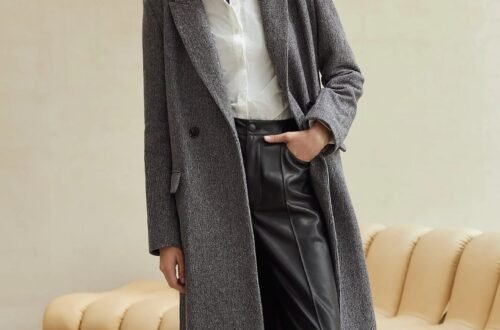
It comes down to a simple formula: one structured piece on top, groomed details, and fabrics that don’t wrinkle on camera. Below I’ll cover the pieces worth owning, the camera-ready tricks, and how to stay comfortable all day.
The work-from-home uniform formula
The ideal WFH outfit hits three criteria: camera-ready on top (solid colours, no busy patterns that moiré on screen), comfortable for 8 hours (stretch, soft fabrics, no restrictive waistbands), and door-ready (fine for the school run, parcel delivery or a coffee shop — no pyjamas, no gym kit that’s seen better days).
Formulas that nail it:
- The polished casual: Dark jeans or smart joggers + quality knit or shirt + clean trainers. Comfortable, camera-fine, door-ready.
- The knit dress: One step, done — a jumper dress with leggings or tights looks polished with zero effort. Add earrings and you’re video-call ready.
- The third piece: Any simple base (tee + jeans) plus an overshirt, cardigan or blazer. The third piece is what reads as “dressed” on camera — see our oversized blazer guide.
- Matching sets: Knit co-ords look deliberately put-together while feeling like pyjamas. The WFH cheat code.
Video-call polish (waist-up matters)
For camera days: solid, mid-tone colours (avoid white which blows out, black which loses detail, and fine stripes which shimmer). A necklace or earrings frame the face on screen. Good lighting (face a window) does more than any outfit. And keep a “call blazer” on the chair — thrown on for surprise meetings, it transforms any base in seconds.
Habits that keep you sharp
Dress fully, including shoes. The “business on top, pyjamas below” approach leaks into mindset — and one unexpected stand-up ruins it. Proper shoes (even clean trainers) complete the psychological uniform.
Keep a routine: Shower, dress, “commute” (even a walk around the block) — the ritual separates home-you from work-you. People who dress for work report better boundaries and less burnout.
Grooming counts double at home: When the outfit is casual, grooming carries the polish — tidy hair, clean nails, a bit of skincare. Five minutes, enormous difference on camera and in the mirror.
Friday standards: Let standards slide and they slide permanently. Keep a minimum bar (no stained clothes, no pyjamas, hair done) even on quiet days. Future-you, caught by a surprise call, will be grateful.
Building the WFH wardrobe
You need less than you think: 3–4 quality tops/knits, 2–3 comfortable bottoms, 1–2 third pieces, one call blazer, clean trainers/flats. Prioritise fabrics that survive sitting (no dry-clean-only, no wrinkle-prone linen for desk days) and wash well — WFH clothes get worn hard. Our capsule wardrobe guide applies perfectly; just weight it toward comfort.
And maintain the boundary the other way too: change out of work clothes at day’s end. The ritual tells your brain work is over — important when home and office share a postcode. For the full picture on thriving remotely, see our health guide to staying active working from home.
The goal isn’t office cosplay at home — it’s the version of you that feels competent, looks intentional, and could answer the door or join a video call without panic. Comfortable, camera-ready, door-ready. That’s the whole brief.
The WFH capsule: 10 pieces, endless combinations
The ten: 2 bottoms (dark jeans, smart joggers), 3 tops (white tee, black tee, striped top), 2 knits (grey crew, navy cardigan), 1 blazer (the “call blazer”), 1 knit dress, 1 scarf. The maths: bottoms × tops × layers = dozens of combinations; the dress works alone or layered; the blazer transforms any base for calls. Ten pieces, two weeks of outfits, one small drawer.
The colour rule: navy, black, grey, white + one accent (the scarf). Everything matches everything — no morning decisions. The fabric rule: everything machine-washable, nothing that needs ironing (jersey, ponte, quality cotton). WFH clothes get worn hard and washed often — delicates need not apply. The shoe situation: one pair of clean trainers by the door (the “uniform” completer), one pair of smart flats for the rare office day.
The seasonal tweak: summer — swap a knit for a short-sleeve shirt, the dress becomes the hero; winter — add thermal base layers under everything (invisible warmth, see our layering guide). The psychology of the capsule: decision fatigue is real, and WFH removes all the external structure that used to make decisions for you. A tiny, coordinated wardrobe restores that structure — you always look fine, you never think about it, and the mental energy goes to work instead of wardrobe. Ten pieces. That’s the whole system. The people who thrive working from home aren’t the most disciplined — they’re the ones who designed discipline out of the equation.
The WFH morning routine: dressing with intention
The 15-minute launch sequence: shower (non-negotiable — it signals “day started”), dress fully (including shoes — the enclothed cognition effect is real), make the bed (first completed task, psychological win), “commute” (a 10-minute walk, or even a lap around the block — the boundary ritual), then work. Total: 30 minutes that transform the day’s productivity and mood.
The wardrobe station: keep WFH clothes separate from weekend clothes — even a dedicated drawer. The physical separation reinforces the mental one: these are work clothes, those are rest clothes. When work ends, change — the ritual tells your brain the day is done. The call-ready layer: the “call blazer” or smart overshirt hangs on the chair, always — 10 seconds to video-ready, zero planning.
Friday standards: the week’s discipline erodes by Friday — counter it with a rule, not willpower. “Friday = the knit dress” or “Friday = jeans and the good shirt” — a fixed uniform removes the decision. The laundry rhythm: WFH clothes get worn hard — wash weekly, and keep the capsule small enough that laundry day doesn’t strand you (the 10-piece capsule from the main article handles this). The deeper point: the morning routine isn’t about the clothes — it’s about telling yourself the day matters. Dressing with intention, even when no one sees, is a vote for your own professionalism. The routine takes 30 minutes and pays back all day. That’s not vanity — it’s infrastructure for a working life without external structure.
For advice on thriving while working remotely — from setting boundaries to career development — Prospects has practical guides aimed at UK workers navigating hybrid and home setups.



2 Comments on “How to Look Put Together Working From Home”