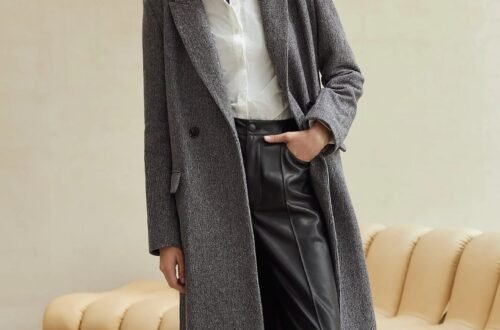
Britain gets around 150 rainy days a year, yet most of us own jackets that give up at the first proper downpour. A genuinely good rain jacket is one of the highest-value purchases in a UK wardrobe — worn hundreds of times, protecting everything underneath. Here are the best jackets for rainy British weather, from budget to investment, with the technical knowledge to choose wisely.
The best jackets for rainy British weather
British rain demands a proper waterproof — not just ‘shower-resistant’. Here’s what to look for in specs, the styles that suit different needs, and how to stay dry without looking like you’re summiting Ben Nevis.
Waterproof vs water-resistant: know the difference
This is the key buying knowledge. Water-resistant means the fabric repels light rain briefly — fine for drizzle, useless in a downpour. Waterproof means it keeps water out under sustained rain, measured in hydrostatic head (5,000mm+ is decent; 10,000mm+ is serious). A “showerproof” mac is not a rain jacket — check the actual rating or look for membranes like Gore-Tex.
Also check: taped seams (stitching holes leak without them), a proper hood (preferably adjustable — a hood that blows off is decorative), and DWR coating (durable water repellent — the treatment that makes water bead; it wears off and needs reproofing yearly with a wash-in product like Nikwax).
The best rain jackets by category
The classic trench: Timeless, office-appropriate, and showerproof rather than truly waterproof — fine for commuting drizzle, not for hill walking. M&S and John Lewis do excellent trenches (£60–£150); Burberry if you’re feeling flush. Best for: smart commutes, city rain.
The packable waterproof: Lightweight, hooded, genuinely waterproof — the jacket that lives in your bag. Regatta, Mountain Warehouse and Decathlon offer excellent ones for £25–£50. Not stylish, deeply practical. Best for: handbags, travel, “just in case.”
The proper outdoor shell: Gore-Tex or equivalent, taped seams, storm flaps — for serious weather, dog walks, the school run in February. Berghaus, Rab, Montane (£100–£250). Expensive, lasts a decade, utterly reliable. Best for: heavy rain, wind, outdoor life.
The stylish waterproof: The holy grail — genuinely waterproof but doesn’t look like you’re summiting Ben Nevis. Joules, Seasalt Cornwall and Barbour’s waterproof lines (£80–£200) do country-polished; Rains and Stutterheim do minimalist Scandinavian cool. Check the actual waterproof rating — style brands sometimes skimp. Best for: looking good while staying dry.
The waxed jacket: Barbour-style waxed cotton is showerproof, windproof and develops beautiful character — but it’s heavy, needs rewaxing yearly, and isn’t fully waterproof. A lifestyle choice as much as a rain jacket. Best for: country weekends, dog owners, heritage style.
What to look for when buying
- Hood: Non-negotiable for real rain. Adjustable, preferably with a peak.
- Length: Longer covers more; hip-length is more versatile. For cycling, longer backs matter.
- Pockets: Zipped or flapped — open pockets fill with rain.
- Fit for layering: Try it over a jumper, not a t-shirt. A rain jacket that only fits over thin layers is useless in winter — see our winter layering guide.
- Colour: Dark colours hide rain-spotting; bright colours keep you visible on dark commutes.
Care and reproofing
Waterproof jackets lose their beading over time — when water stops beading and starts soaking into the fabric face, it’s time to wash (tech wash, not fabric softener — softener kills waterproofing) and reproof (wash-in Nikwax TX.Direct or similar, £8–£10, once a year). A maintained £60 jacket outperforms a neglected £200 one.
For the full wet-weather system, pair your jacket with waterproof footwear and consider an umbrella for city use (windproof models survive British gusts). And when the rain finally stops, our summer-to-autumn guide covers the layering underneath.
The verdict: own two — a packable waterproof that lives in your bag (£30) and a proper jacket for daily wear (£80–£150). In a country with 150 rainy days a year, that’s not extravagance. It’s infrastructure.
The two-jacket system: a rainy-country strategy
Jacket 1 — the daily driver (£80–£150): a proper waterproof with a hood that you actually like wearing — stylish enough for the office, tough enough for the school run. This gets worn 150+ days a year; cost-per-wear makes it the best value in your wardrobe. Jacket 2 — the packable (£25–£40): lives in your work bag, car, or handbag permanently. For the unexpected downpour, the “I didn’t check the forecast” days, the outdoor event that turns. Between the two, you’re never caught out.
What not to do: own five mediocre “showerproof” jackets and no proper waterproof (the classic British mistake — lots of almost-jackets, zero actual rain protection). One good waterproof beats five showerproofs. The reproofing calendar: wash and reproof both jackets every autumn (before the rainy season) — put it in the calendar alongside the smoke alarm battery check. A maintained jacket lasts a decade; a neglected one wets out in two years.
The full wet-weather outfit: jacket + waterproof footwear (even just water-resistant boots with protector spray) + a compact windproof umbrella for the bag. The umbrella-jacket debate: jackets keep hands free and work in wind; umbrellas keep the lower half drier in cities. Commuters often need both — the jacket for the walk to the station, the umbrella for the platform wait. In a country with 150 rainy days a year, rain gear isn’t an accessory — it’s infrastructure. Build the system once, maintain it yearly, and never think about it again. That’s the goal: rain becomes weather, not a problem.
Umbrellas: worth carrying in Britain?
The case for: keeps your lower half and bag dry (jackets don’t), essential for occasions when a hood ruins your hair, and the compact ones (£10–£15) fit in most bags. The case against: useless in wind (which accompanies most British rain), one more thing to lose (the average Brit loses 2–3 umbrellas a year), and crowded pavements turn them into weapons. The verdict: a compact windproof umbrella (£15–£25 — the windproof mechanism matters) lives in your work bag permanently, used for city drizzle and occasions. For serious weather, the jacket wins.
What to buy: windproof (vented canopy — doesn’t invert in gusts), compact (folds to ~25cm), automatic open/close (one-handed operation). Fulton and Totes do reliable ones (£15–£30). Avoid the £5 station kiosk umbrellas — they invert in the first gust and become litter. Umbrella etiquette: lift it high when passing others on narrow pavements, shake it off before entering buildings, and never put a wet umbrella on a restaurant table (floor, or the stand provided).
The full system: jacket (primary) + compact umbrella (backup/occasions) + waterproof footwear. The three together handle everything Britain throws at you. The hair question: if you’ve styled your hair for an event, the umbrella isn’t optional — it’s essential. Hoods flatten; umbrellas preserve. Keep a full-size umbrella (£20–£30) at home for event days, the compact in your bag for everydays. The loss prevention: buy a bright colour or patterned one — black umbrellas are left behind because they’re invisible; distinctive ones get remembered. In a country with 150 rainy days, the umbrella-jacket combination isn’t overkill — it’s realism.
Which?’s outdoor clothing reviews independently test waterproof jackets for rain resistance and breathability — worth checking before you buy.