Growing your own potatoes is one of gardening’s great bargains: a £5 bag of seed potatoes can produce 30–50kg of spuds worth £40–£60 at supermarket prices. But what if you have no vegetable plot — just a patio, balcony or small garden? Enter the potato bag: growing potatoes in bags or containers, which needs no digging, no allotment, and almost no space. But what does it actually cost, all in?
This guide breaks down the real economics for UK families: every cost itemised, the yield you can expect, whether it genuinely saves money, and how to do it well enough that the maths works in your favour.
The full cost breakdown
Here is what a first-year potato-bag setup costs for a family growing, say, 6 bags:
- Seed potatoes: £4–£6 for a 2kg net (10–15 tubers, enough for 5–6 bags). Buy certified disease-free seed — never plant supermarket potatoes, which can carry blight and viruses.
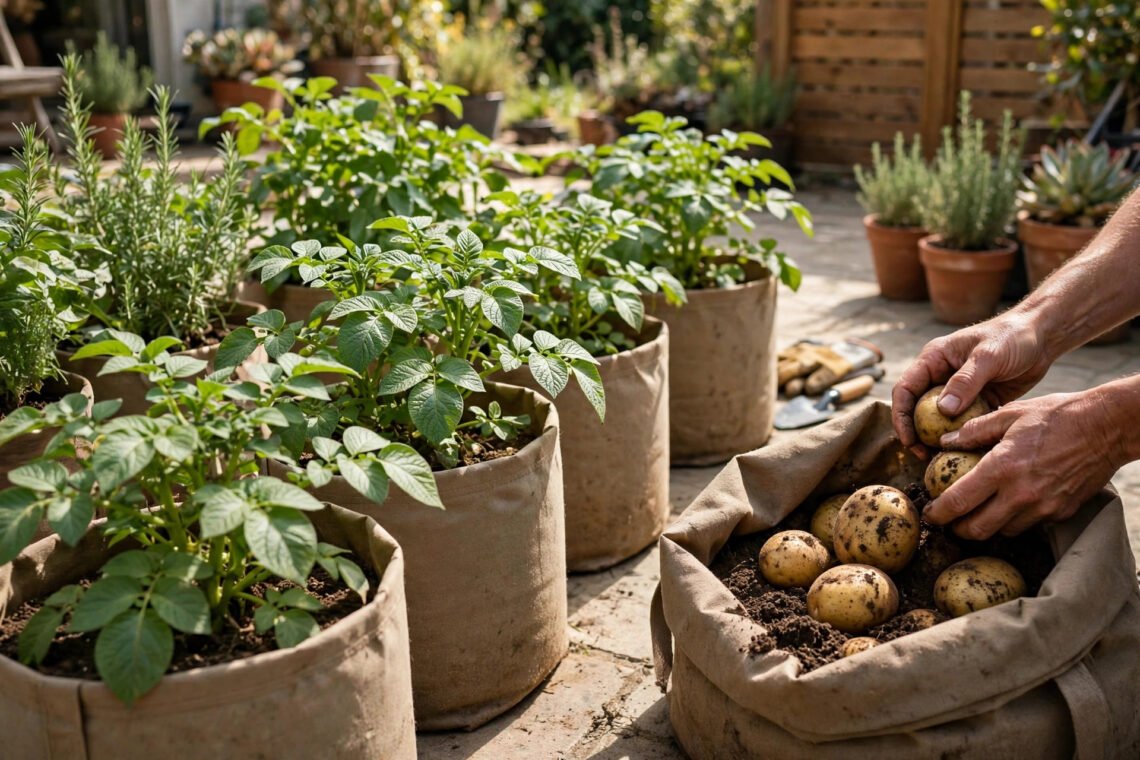
- Bags/containers: £3–£6 each for proper potato growing bags (with access flaps for harvesting); or free using old compost bags, builders’ buckets, or dustbins with drainage holes drilled.
- Compost: £5–£8 per 50L bag; each potato bag needs roughly 30–40L, so about £4–£6 of compost per bag. Multi-purpose compost is fine.
- Fertiliser (optional): a handful of potato fertiliser or chicken manure pellets per bag — pennies per bag.
First-year total for 6 bags: roughly £45–£70 using bought bags, or £30–£40 using free containers. In year two, bags are reused and only seed potatoes and fresh compost are needed: about £25–£35.
What yield to expect
A 30–40L bag typically yields 3–6kg of potatoes depending on variety, weather and care — call it 4kg average. Six bags therefore produce around 24kg. At supermarket prices (£1.20–£2/kg for decent potatoes, more for salad varieties), that harvest is worth £30–£50.
So year one roughly breaks even (or saves a little with free containers); year two onward is pure profit — £25–£35 of inputs producing £30–£50 of potatoes, plus the unbeatable flavour of freshly dug spuds. The economics improve further with salad varieties like Charlotte or Nicola, which cost £2.50+/kg in shops but grow identically easily.
The method: how to actually do it
- Chit your seed potatoes (February–March): stand them eye-up in egg boxes in a cool, light, frost-free place until they sprout stubby purple-green shoots.
- Plant (March–April, after frost risk): put 15cm of compost in the bag, lay 3–4 seed potatoes on top, cover with 10cm more compost.
- Earth up: as shoots reach 15–20cm, add more compost until the bag is nearly full. This is the magic of bags — the “earthing up” that prevents green (toxic) potatoes happens effortlessly.
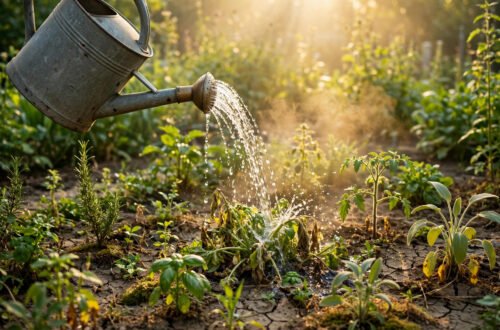
- Water and feed: bags dry out fast — water regularly in dry spells (potatoes are thirsty), and feed fortnightly once flowering starts.
- Harvest: for new potatoes, fossick gently from about June (or when flowers appear); for maincrop, wait until foliage dies back, then tip the whole bag out — the most satisfying harvest in gardening.
Variety choice matters: first earlies (Rocket, Swift) for quick new potatoes; second earlies (Charlotte, Maris Peer) for salads; maincrop (Maris Piper, King Edward) for storing. The RHS potato growing guide covers varieties in depth, and Garden Organic has practical organic potato-growing advice.
Making the economics work harder
Grow what is expensive to buy. Salad and heritage varieties (Pink Fir Apple, Ratte) cost a fortune in shops and grow no harder than Maris Piper. Reuse everything: bags last 3–4 seasons; last year’s potato compost (never reuse for potatoes — use it for other crops) still has life. Succession plant: after harvesting first earlies in June, the bag and compost can grow a quick crop of salads or dwarf beans. And involve the family — children who dig their own potatoes develop strong opinions about food, and cheap high-protein family meals taste better with homegrown spuds.
Potatoes in bags also fit awkward spaces — a north-facing yard can still produce a crop in containers moved to the sunniest spot, as our guide to the best plants for north-facing gardens discusses for other crops.
Blight: the one thing to watch for
Potato blight — the disease behind the Irish famine — remains the main threat to UK potato crops, thriving in warm, wet summers. Watch for dark blotches on leaves from June onward; at the first sign, cut all foliage to the ground immediately and leave tubers in the bag for two weeks before harvesting (the spores need living foliage to reach the tubers). Growing in bags actually helps: you can move bags to airier spots, and blight spreads less readily than in dense allotment rows. Choosing blight-resistant varieties (Sarpo Mira, Setanta, Carolus) is the single best prevention — modern resistant varieties crop reliably even in bad blight years.
Storing your harvest
Maincrop potatoes store for months if handled right: harvest on a dry day, let tubers dry for a few hours (but not in direct sun — greening risk), brush off loose soil (do not wash), and store in hessian sacks or paper bags in a cool, dark, frost-free place — a garage or unheated spare room is ideal. Check monthly and remove any sprouting or soft ones before they affect neighbours. Properly stored, your October harvest eats well into spring, stretching that £30 investment across half the year and through the expensive hungry gap when shop prices peak. First and second earlies do not store — eat those fresh within days of digging, which is rather the entire point of growing earlies.
Conclusion
Growing potatoes in bags costs a UK family roughly £30–£70 in year one and £25–£35 thereafter, producing £30–£50 worth of potatoes per six bags — breaking even immediately and profiting from year two, especially with premium salad varieties. But the real return is not financial: it is the flavour of a potato dug minutes before eating, the satisfaction of a harvest a child can do, and food security in a bag on your patio. For sheer return on effort and flavour per pound spent, nothing in the container garden beats the humble, hardworking, endlessly rewarding potato bag.
Frequently Asked Questions
How many seed potatoes per bag?
Three to four per 30–40L bag. More tubers mean more (smaller) potatoes; fewer mean larger ones. Four is the sweet spot for most families.
Can I use supermarket potatoes as seed?
Do not. Supermarket potatoes can carry blight, viruses and other diseases that will infect your crop and persist in your compost. Certified seed potatoes cost only a few pounds and are guaranteed disease-free — it is the cheapest insurance in gardening.
Why did my potatoes turn green?
Exposure to light produces solanine, a bitter toxin. It happens when tubers sit near the compost surface — which is exactly what earthing up prevents. Cut away green parts generously; if more than skin-deep, discard the potato.
Can I reuse the compost from potato bags?
Yes, but not for potatoes or tomatoes (disease risk). It is excellent for everything else — flowers, salads, beans. Refresh with some new compost and a handful of fertiliser.
Do potato bags need drainage holes?
Yes — waterlogged compost rots tubers. Purpose-made potato bags have drainage built in; if using dustbins or buckets, drill several 1cm holes in the base. Then water freely without fear.