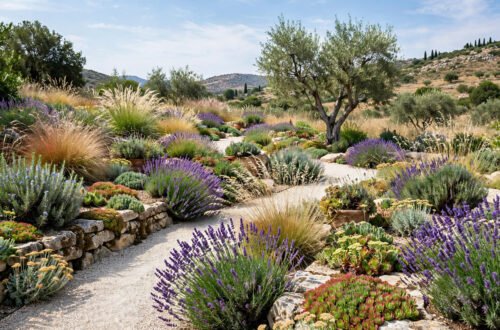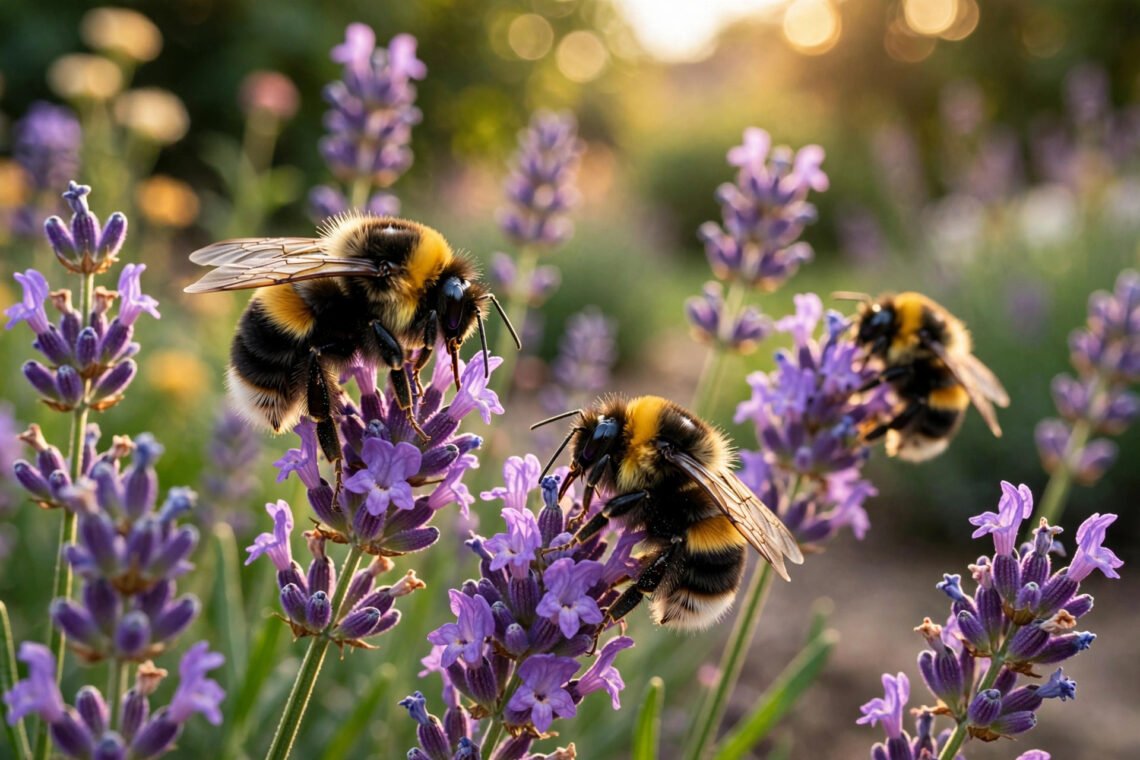
There’s a particular joy in a garden that hums — the low, contented drone of bumblebees working the lavender, honeybees queuing at the cosmos, solitary bees zipping between flowers like tiny drunk pilots. And there’s a practical urgency too: UK pollinators are in decline, with habitat loss and pesticides squeezing populations, and gardens — especially London gardens — have become critical refuges.
The good news: attracting bees to your garden naturally is one of the easiest, most rewarding things a gardener can do. You don’t need expertise or acreage — even a balcony counts. Here’s how to turn any London outdoor space into a bee magnet in 2026.
Rule 1: Plant for Bees, Not for Catalogues
Bees need two things from flowers: nectar (energy) and pollen (protein). The best bee plants offer both abundantly and are actually accessible — many highly-bred double flowers look spectacular and offer bees nothing (the nectar structures are bred out). Choose single, open flowers over doubles every time.
The bee-plant hall of fame for London gardens: lavender (the undisputed champion — a lavender hedge hums from June to September), borage (refills nectar every few minutes; bees adore it), cosmos, echinacea, salvia, foxgloves (bumblebee magnets), hebe, sedum (autumn lifeline), single dahlias, sunflowers, and wild marjoram. Herbs are secret superstars — allow some thyme, oregano, and rosemary to flower and watch what happens. The RHS Plants for Pollinators lists are the gold standard for choosing — look for the bee symbol on plant labels.
Rule 2: Flower From March to October
A garden that’s glorious in June but barren in April and September starves bees at the critical ends of the season. Plan succession: spring — crocus, hellebore, pulmonaria, flowering currant, fruit blossom (queen bumblebees emerging from hibernation desperately need early food); summer — the main event above; autumn — sedum, ivy flowers (a crucial late-season resource), single asters, fennel.
Ivy deserves special mention: its autumn flowers feed bees, hoverflies, and butterflies when almost nothing else is blooming, and its berries feed winter birds. The much-maligned ivy is arguably London’s most important wildlife plant. Even shady plots can support pollinators — foxgloves, hellebores, and ivy all tolerate shade.
Rule 3: Provide Homes, Not Just Food
Most UK bees are solitary — they don’t live in hives. They need: bare ground (70% of solitary bees nest in soil — leave a sunny patch of undisturbed bare earth), hollow stems and drilled wood (mason and leafcutter bees — a simple bee hotel works brilliantly), long grass (bumblebees nest in tussocks — leave a corner unmown), and undisturbed corners (compost heaps, log piles, and quiet edges).
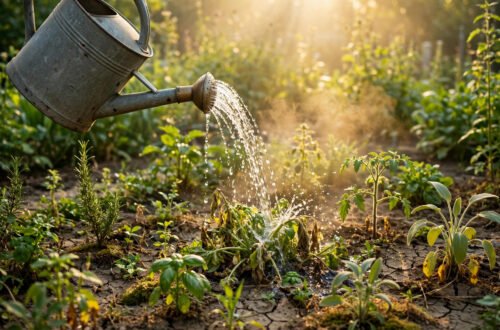
Water matters too: a shallow dish with pebbles (landing pads so bees don’t drown) gives them somewhere to drink on hot days. It’s a two-minute job with outsized impact during heatwaves.
Rule 4: Stop Poisoning Them
This is the unglamorous one: pesticides kill the bees you’re trying to attract. Neonicotinoids are restricted but not gone; many garden products still harm pollinators. Go pesticide-free — accept some aphids (ladybirds and hoverflies, attracted by your bee-friendly planting, eat them), use physical barriers for serious pests, and check every product label. The Bumblebee Conservation Trust offers practical pesticide-free gardening guides specifically for UK gardeners.
Also: buy peat-free, pollinator-friendly plants from reputable nurseries — some mass-market bedding plants are grown with systemic insecticides that persist in the flowers. Ask before you buy; good nurseries know their growing practices.
Rule 5: Embrace a Little Wildness
The tidiest gardens are often the emptiest. Bees need: unmown patches (No Mow May isn’t a gimmick — lawn flowers like clover, daisies, and self-heal are vital forage), autumn leaves left in corners (overwintering habitat), dead wood (beetle and bee habitat), and tolerance for “weeds” — dandelions are among the most important early bee foods in Britain. A garden that’s 80% neat and 20% wild supports dramatically more life than one that’s 100% manicured.
This wildness-first approach is the heart of eco-friendly gardening — working with nature’s preferences rather than against them.
What You’ll See (The Reward)
Get it right and the cast arrives fast: buff-tailed and white-tailed bumblebees (the big familiar ones), red mason bees (early spring, inquisitive, harmless), leafcutter bees (cutting perfect semicircles from rose leaves — don’t worry, the plants recover), wool carder bees (territorial males that headbutt intruders — genuinely entertaining), and honeybees if a hive is nearby. Each has its season, its flowers, its personality. A bee garden is never boring.
Recording Your Garden’s Visitors
Once the bees arrive, consider joining a citizen science project — the Bumblebee Conservation Trust’s BeeWalk or the UK Pollinator Monitoring Scheme turn your garden observations into genuine scientific data. You’ll learn to identify species (the buff-tail versus the white-tail is the classic beginner challenge), and your records contribute to tracking how pollinator populations respond to climate change.
It’s also simply delightful: the moment you can name the visitors — “that’s a red-tailed bumblebee, that’s a hairy-footed flower bee” — the garden transforms from pretty background to living documentary. Children especially love the identification game, and a bee-friendly garden is one of the finest outdoor classrooms Britain offers.
Key Takeaways
- Plant single, open flowers — doubles may look spectacular but often offer bees nothing; look for the RHS Plants for Pollinators symbol.
- Succession from March to October: spring blossom for emerging queens, summer abundance, autumn ivy and sedum as the late lifeline.
- Provide homes, not just food: bare sunny soil for ground-nesters, bee hotels for mason bees, unmown corners for bumblebees.
- Eliminate pesticides — accept some aphids (their predators arrive with the planting) and check every product label.
- Embrace 20% wildness: unmown patches, autumn leaves, dead wood, and tolerated dandelions support dramatically more life.
The Bottom Line
Attracting bees to your London garden naturally: plant single open flowers for March-to-October succession, provide nesting habitat (bare ground, bee hotels, unmown corners), offer shallow water, eliminate pesticides, and embrace a little wildness. Cost: a few packets of seeds and some restraint with the mower. Reward: a garden that hums from spring to autumn — and the knowledge that your few square metres are genuinely helping reverse pollinator decline.
Frequently Asked Questions
What plants attract bees the most in the UK?
Lavender, borage, foxgloves, salvia, cosmos, echinacea, single dahlias, sedum, and flowering herbs (thyme, oregano, marjoram). Choose single, open flowers over doubles, and look for the RHS Plants for Pollinators symbol.
How can I help bees if I only have a balcony?
Pots of lavender, herbs left to flower, trailing nasturtiums, and a small bee hotel on the wall all work brilliantly. Even a window box of borage and cosmos supports foraging bees — every flower counts in cities.
Do bee hotels actually attract bees?
Yes — solitary mason and leafcutter bees readily use well-sited hotels (south-facing, near flowers, with varied tube diameters). They’re stingless-to-harmless and fascinating to watch sealing their tubes through spring.
Should I leave dandelions for bees?
Yes — dandelions are among the most important early-season bee foods in Britain, flowering when queens emerge hungry. Leaving a patch unmown through spring is one of the highest-impact things you can do.
Are pesticides harmful to garden bees?
Yes — many common garden insecticides harm or kill bees and other pollinators, and systemic products persist in plant tissues. Gardening pesticide-free, with physical pest barriers and tolerance for some damage, is the bee-safe approach.