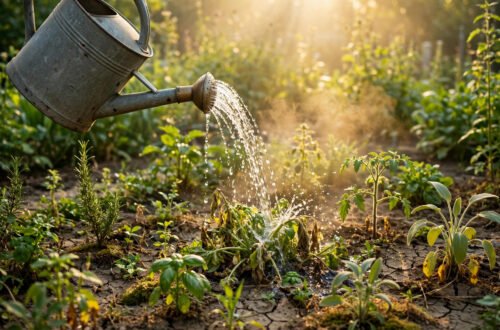
Every year, British households throw away millions of tonnes of food and garden waste — and then spend millions of pounds buying compost in plastic bags from garden centres. Composting closes that loop: your peelings, leaves and grass cuttings become rich, crumbly, free soil improver. It is one of the simplest, most satisfying things a gardener can do, and it is far easier than its reputation suggests.
This guide is composting for complete beginners: what it is, how it works, what to put in, what to leave out, and how to avoid the smelly mistakes that put people off.
What composting actually is
Composting is controlled rotting. Billions of microorganisms — bacteria, fungi, worms — break down organic matter into humus: dark, earthy-smelling material that feeds soil life and improves soil structure. A compost heap is simply a habitat optimised for these decomposers: the right mix of materials, moisture and air, and they do all the work for free.
Finished compost is not a fertiliser in the conventional sense — it is a soil improver. It helps sandy soils hold water, helps clay soils drain, feeds earthworms, and slowly releases nutrients over the growing season. There is no garden, from the grandest allotment to the humblest window box, that does not benefit from it.
The golden rule: greens and browns
Everything you compost falls into two categories:
- Greens (nitrogen-rich, moist): fruit and vegetable peelings, tea bags, coffee grounds, fresh grass cuttings, young weeds without seeds.
- Browns (carbon-rich, dry): fallen leaves, cardboard, newspaper, straw, wood chips, deadheaded flowers, prunings.
Aim for roughly equal volumes of greens and browns — this is the single most important rule in composting. Too many greens and the heap turns slimy, smelly and airless. Too many browns and it sits there doing nothing for months. When in doubt, add browns: most beginner problems come from excess greens, especially grass cuttings.
What to put in (and what to leave out)
Yes: vegetable peelings, fruit scraps, eggshells (crushed), tea leaves and bags, coffee grounds, garden prunings (chopped small), leaves, grass cuttings (in thin layers), cardboard (torn up, tape removed), newspaper, straw, hair, vacuum cleaner dust.
No: meat, fish, dairy and cooked food (attracts rats — though sealed hot-composting bins can handle them), glossy magazines, coal ash, cat and dog waste, perennial weeds with persistent roots (docks, bindweed), diseased plants, and anything treated with weedkiller. The RHS composting guide has the definitive lists, and Recycle Now covers what can and cannot be composted at home.
Choosing your composter
For most British gardens, a standard plastic “dalek” bin (often subsidised by councils — check yours; many sell them for under £20) is perfect: cheap, tidy, rodent-resistant, and it keeps the heap warm. Wooden slatted bays are better for larger gardens and serious volumes. Wormeries suit small spaces and produce superb compost plus liquid feed, while hot composters (insulated bins) break material down in weeks rather than months and can safely handle cooked food.
Site your bin on bare soil (so worms can enter), in a shady spot, somewhere you will actually walk to with a kitchen caddy — convenience determines whether you keep it up. Our guide to reducing food waste in your kitchen each week pairs naturally with a composting habit.
The method: genuinely this simple
- Start with browns: a 15cm layer of twiggy material or straw at the bottom for drainage and airflow.
- Add in layers: alternate greens and browns as material becomes available. Chop or tear everything small — smaller pieces rot faster.
- Keep it moist: the heap should feel like a wrung-out sponge. Water in dry spells; cover in prolonged rain.
- Turn occasionally: fork the heap over every month or two to introduce air. (Lazy option: do not turn at all — it just takes longer.)
- Wait: 6–12 months for a cold heap, faster in summer. Finished compost is dark, crumbly and smells like woodland earth.
Troubleshooting: the three classic problems
It smells bad. Too many greens, not enough air. Add browns (shredded cardboard is ideal), turn the heap, and stop adding thick layers of grass.
Nothing is happening. Too dry, too many browns, or too cold. Water it, add fresh greens, and be patient in winter — decomposition slows dramatically below 10°C and resumes in spring.
There are flies or rats. Flies mean exposed food scraps — always bury kitchen waste under browns. Rats mean meat/dairy or cooked food is going in, or the bin has gaps at the base. Fix the inputs and the pests leave.
Composting is one of the most impactful practical ways to be more eco-friendly at home — it cuts your waste, cuts your spending, and builds your soil simultaneously.
Using your compost: the rewarding part
After months of feeding the bin, harvesting is pure satisfaction. The bottom of the bin holds the finished material — fork it out, sieve out any lumpy bits (throw them back in as starter), and spread the dark crumbly goodness 5–8cm thick as a mulch around plants, or dig it into beds before planting. Do not worry about it being “perfect”: even half-finished compost works brilliantly as a mulch, continuing to break down in place while suppressing weeds and feeding worms. A typical dalek bin yields several wheelbarrows of compost a year — worth £30–£50 at garden centre prices, produced from waste you were throwing away.
Conclusion
Composting is not complicated: mix greens and browns, keep it moist, give it air, and let nature work. Start with a council-subsidised bin on bare soil, feed it your kitchen scraps and garden waste, and within a year you will be harvesting free, beautiful compost. Your soil, your plants, your wallet and the planet all win — which is a lot of return from a pile of rotting peelings.
Frequently Asked Questions
How long does compost take to make?
Typically 6–12 months in a standard garden bin, with summer material breaking down fastest. Hot composters can produce finished compost in 4–8 weeks. Turning the heap and chopping materials small both accelerate the process significantly.
Can I compost in a small garden or on a balcony?
Yes. Wormeries and compact hot composters work in tiny spaces and even on balconies — a wormery the size of a kitchen bin processes a household’s vegetable scraps happily. Bokashi bins ferment kitchen waste indoors with no smell, ready to bury or add to a composter.
Does composting attract rats?
Only if you compost the wrong things. Vegetable peelings and garden waste do not attract rats; meat, fish, dairy and cooked food do. Use a bin with a secure lid and base, bury fresh scraps under browns, and rats have no reason to visit.
Can I compost weeds?
Annual weeds without seeds, yes. Avoid perennial weeds with persistent roots (bindweed, couch grass, docks) and any weed gone to seed — home heaps rarely get hot enough to kill them, and you will spread them around the garden with your compost.
Is homemade compost as good as shop-bought?
For soil improvement, it is better — richer in microbial life and organic matter. It is less consistent as a potting medium for seeds (variable texture and possible weed seeds), so many gardeners use homemade compost for mulching and beds, and buy seed compost for sowing.