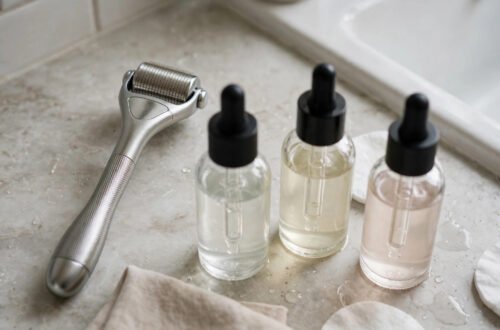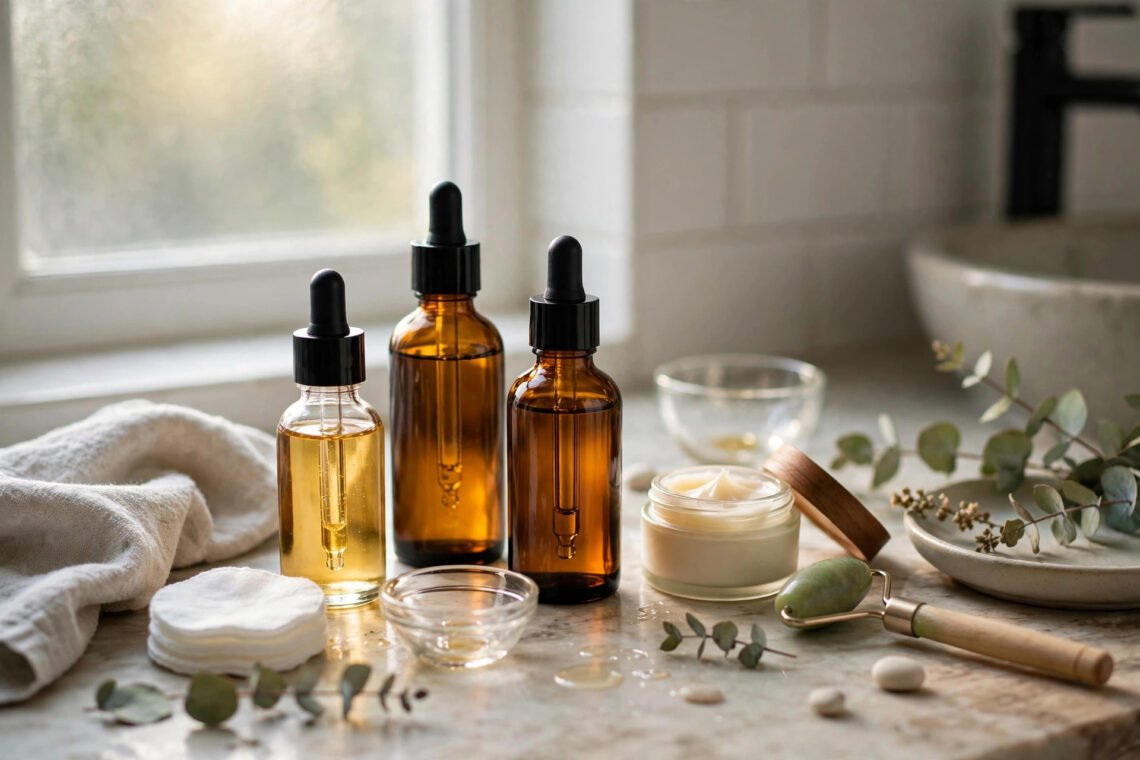
Every skincare conversation eventually arrives at retinol — the ingredient dermatologists praise more than any other, and the one that confuses beginners most. Can someone explain retinol in simple terms for British homes? Yes: retinol is a form of vitamin A that tells your skin cells to behave younger — turning over faster, making more collagen, unclogging pores. It is the most evidence-backed anti-ageing ingredient in skincare, and also the easiest to misuse. This guide explains what retinol actually does, how to start without wrecking your skin barrier, and what is realistic to expect.
Retinol’s reputation rests on decades of research — more than any other cosmetic ingredient. It is one of the few topicals with robust evidence for reducing fine lines, improving pigmentation and treating acne. But it is also notorious for the “retinol uglies”: redness, peeling and irritation that cause most beginners to quit within two weeks. Nearly all of that is avoidable with the right approach.
What Retinol Actually Does (Simply)
Think of your skin as a factory with a slowing production line. As you age, cell turnover slows (dead cells linger, dulling the surface), collagen production drops (fine lines appear), and pigmentation becomes uneven. Retinol — converted by your skin into retinoic acid, the active form — speeds the line back up: it accelerates cell turnover so fresh cells reach the surface faster, stimulates fibroblasts to make more collagen, normalises pigmentation, and keeps pores clear. The visible results: smoother texture, softened fine lines, more even tone, fewer breakouts.
Retinol sits in a family: retinyl palmitate (weakest, gentlest), retinol (the standard), retinaldehyde (stronger, faster-converting), and tretinoin (prescription-only in the UK, the most potent). Stronger is not better for beginners — it is just more irritating. Most people should start with a low-strength retinol (0.25–0.3%) and only move up if needed. The British Association of Dermatologists provides patient information on retinoid treatments and their evidence base.
How to Start Without the Horror Stories
The golden rules. Start low and slow: 0.25–0.3% retinol, twice a week, at night only (retinoids degrade in sunlight and increase sun sensitivity). Use a pea-sized amount for the entire face — more product means more irritation, not better results. Apply to completely dry skin (wait 10–15 minutes after cleansing; damp skin absorbs more and irritates more). Moisturise generously — the “sandwich method” (moisturiser, retinol, moisturiser) buffers irritation for sensitive beginners without meaningfully reducing efficacy.
Increase frequency gradually: twice weekly for 2–3 weeks, then every other night, then nightly if tolerated. Expect mild flaking in weeks 2–4 — this is normal adjustment, not damage — but back off if you get burning, persistent redness or raw patches; that is barrier damage, and pushing through it makes everything worse. Simplify the rest of your routine while starting: drop strong acids (glycolic, salicylic), vitamin C and benzoyl peroxide from retinol nights to avoid overloading the skin. And sunscreen becomes non-negotiable — retinoids increase photosensitivity, and unprotected sun exposure undoes the benefits. The NHS guidance on retinoid medicines covers the prescription-strength versions and their precautions.
What to Realistically Expect (and When)
Manage expectations honestly: retinol is a months-long project, not a quick fix. Texture improvements often appear within 4–8 weeks; pigmentation fading takes 8–12 weeks; meaningful wrinkle softening needs 6–12 months of consistent use. Anyone promising dramatic results in two weeks is selling something. “Purging” — a temporary worsening of breakouts in weeks 2–6 as turnover accelerates — is real but often exaggerated; mild purging in usual breakout zones is normal, while severe new breakouts elsewhere suggest irritation, not purging.
Long-term, the evidence supports continued use: studies show sustained improvement with ongoing application, and stopping means gradually losing the gains as skin returns to its natural ageing pace. This is a lifestyle ingredient, like sunscreen — the commitment is the point. Budget-friendly options work: The Ordinary, CeraVe and La Roche-Posay all offer well-formulated low-strength retinols for £10–£20, and expensive does not mean more effective here. Which? tests anti-ageing products independently, consistently finding that price and performance are poorly correlated.
Who Should Be Careful (or Skip It)
Pregnancy and breastfeeding: avoid all retinoids — vitamin A derivatives carry known risks in pregnancy, and this is the one hard rule. Very sensitive or rosacea-prone skin: proceed with extreme caution or skip — retinaldehyde or prescription alternatives under dermatologist guidance may suit better, or azelaic acid as a gentler alternative. Eczema-prone skin: retinoids can trigger flares; stabilise the eczema first. And if you are already using prescription tretinoin, you do not need cosmetic retinol too — more is not better.
Teenagers do not need retinol for anti-ageing (their collagen is fine); for teenage acne, a GP or dermatologist’s guidance beats cosmetic retinol. And anyone unwilling to wear daily sunscreen should not start retinol — the combination of increased photosensitivity and unprotected sun exposure is actively counterproductive.
Building Retinol Into a British Routine
A simple UK-friendly routine: evening cleanse, wait until skin is dry, pea-sized retinol (2–3 nights weekly to start), moisturiser. Morning: gentle cleanse or water rinse, moisturiser, SPF 30+ sunscreen. That is it — no twelve-step routine needed. In damp British winters, heavier moisturiser around retinol nights prevents the dryness that makes beginners quit; in summer, ensure the sunscreen step is diligent. Keep the product in a cool dark place (not the steamy bathroom shelf), and check expiry — oxidised retinoids irritate more and work less.
Retinol pairs well with the broader project of looking polished with minimal effort — our guide to looking put-together when working from home covers the low-maintenance routines where retinol’s long-term texture improvements really show, and finding your personal style in your 30s is the natural companion for the decade when most people start retinol.
The Bottom Line
Retinol is vitamin A for your skin: it speeds cell turnover, builds collagen and evens tone, with the strongest evidence base in skincare. Start low (0.25%), go slow (twice weekly, nights only), buffer with moisturiser, simplify everything else, and wear sunscreen daily. Expect months, not miracles. Avoid entirely in pregnancy. Done patiently, it is the closest thing skincare has to a sure bet — the ingredient dermatologists would keep if they could only keep one.
Frequently Asked Questions
What does retinol do in simple terms?
It speeds up skin cell turnover and stimulates collagen production — so skin looks smoother, fine lines soften, pigmentation evens out and pores stay clearer. It is the most evidence-backed anti-ageing skincare ingredient.
How often should beginners use retinol?
Start twice a week at night with a low strength (0.25–0.3%), increasing gradually over weeks to every other night, then nightly if tolerated. Patience in the ramp-up prevents most irritation.
Can I use retinol if I have sensitive skin?
Cautiously — use the sandwich method (moisturiser before and after), start very slowly, and stop if you get persistent burning or redness. Azelaic acid is a gentler alternative worth discussing with a pharmacist or dermatologist.
Why is my skin peeling after starting retinol?
Mild flaking in the first 2–4 weeks is normal adjustment as cell turnover accelerates. Reduce frequency and moisturise more; but raw, burning or persistently red skin means barrier damage — pause and recover before resuming more gently.
Is retinol safe during pregnancy?
No — avoid all retinoids (including cosmetic retinol) when pregnant or trying to conceive, as vitamin A derivatives carry known risks. Discuss safe alternatives with your GP or midwife.