Those tiny dark dots across your nose and chin — blackheads — are among the most misunderstood skin concerns in existence. Most people think they are dirt, attack them with pore strips and harsh scrubs, and end up with redder, angrier skin and the blackheads still there. Here is what blackheads actually are, why aggressive removal backfires, and the genuinely effective (and gentle) way to get rid of them without damaging your skin.
First, the science in one paragraph: a blackhead is a clogged pore — sebum and dead skin cells trapped in a hair follicle — whose surface is exposed to air. The dark colour is oxidised melanin, not dirt. You cannot scrub away oxidation, which is why exfoliating harder does not work. And those “blackheads” on many noses are actually sebaceous filaments — normal, healthy structures that wick oil to the skin surface — which no product will permanently remove, because they refill within weeks. Knowing which you have saves years of futile warfare.
What does not work (stop doing these)
Pore strips: satisfying to peel, but they rip out sebaceous filaments (which return in days), irritate skin, and can break capillaries with repeated use. Harsh scrubs: scratch the skin surface without clearing the pore lining where blackheads form. Squeezing with fingernails: pushes half the clog deeper, risks scarring and infection — the classic way to turn a blackhead into a proper spot. DIY “masks” of glue, charcoal or egg white: ineffective at best, irritating at worst. Over-cleansing: stripping skin triggers rebound oil that worsens congestion.
What actually works: the evidence-based routine
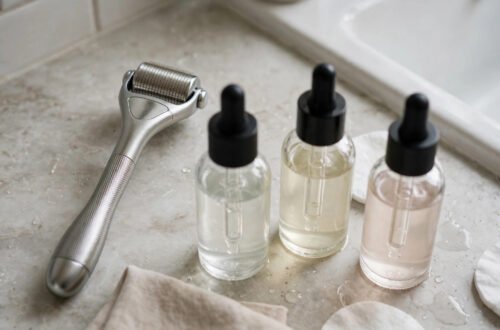
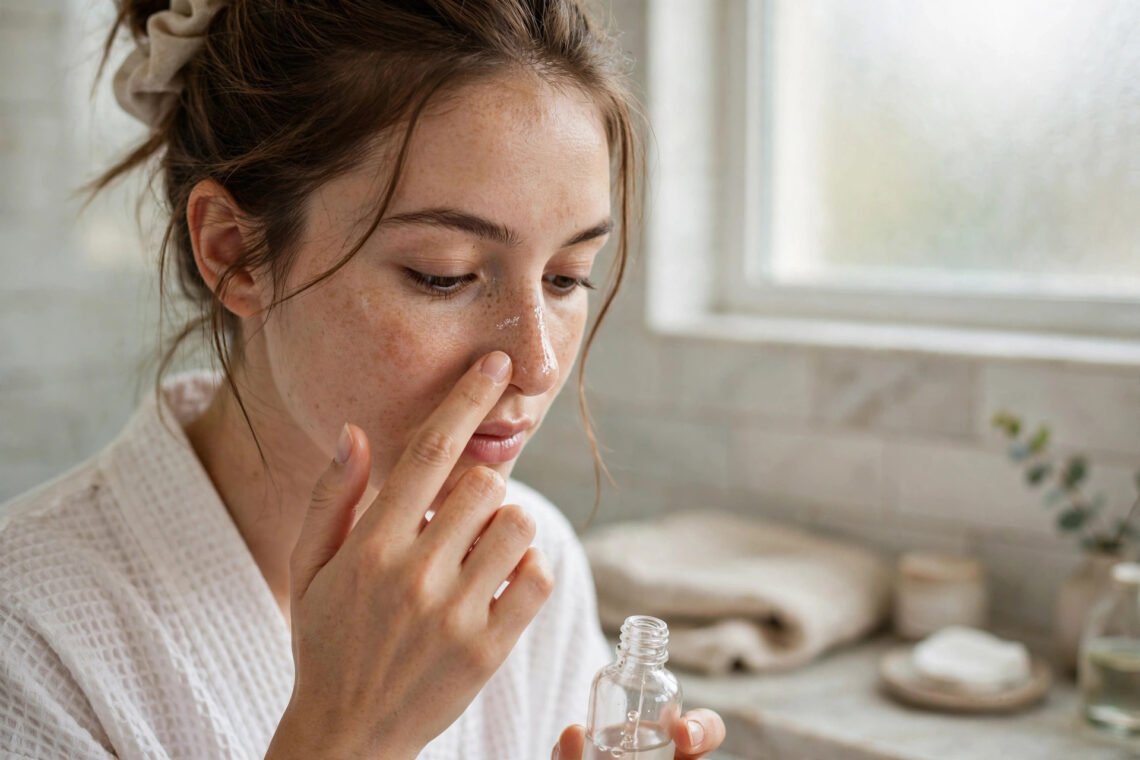
Salicylic acid (BHA) 1–2%: the gold standard — oil-soluble, so it penetrates into the pore lining and dissolves the clog from within. Use as a leave-on toner or serum 2–4 times weekly (not daily at first). This single ingredient does more for blackheads than every strip and scrub combined. Retinoids (adapalene): normalise cell turnover so pores do not clog in the first place — the long-term fix. Niacinamide: regulates sebum production, reducing the raw material of blackheads. The NHS acne guidance covers these treatments as part of its blackhead advice. Clay masks (weekly): absorb surface oil temporarily — cosmetic improvement, not a cure, but useful before events.
Support with the basics: cleanse thoroughly in the evening if you wear sunscreen or makeup, moisturise (dehydrated skin overproduces oil), and never skip sunscreen — UV thickens the pore lining and worsens congestion. Our guides to looking put-together when working from home and simple self-care routines for busy days cover the confidence and consistency sides, while improving gut health with everyday foods addresses the inside-out angle.
Professional extraction: when and how
For stubborn, long-standing blackheads, professional extraction by a dermatologist or trained facialist works — done with sterilised tools, proper technique and aftercare. It is the safe version of squeezing. What to avoid: “blackhead removal” videos’ at-home surgery kits, and any practitioner who proposes aggressive extraction on inflamed skin. One professional session every few months beats daily bathroom battles.
The realistic timeline
Salicylic acid shows improvement in 2–4 weeks; retinoids need 8–12 weeks for full effect. Sebaceous filaments will always refill to some degree — the goal is minimising their appearance, not permanent eradication (which is biologically impossible). Anyone promising “permanently empty pores” is selling fantasy. Judge progress by photos in consistent lighting, not by daily mirror scrutiny — skin changes are gradual and the mirror lies about trends.
Protecting skin while treating
Introduce acids slowly (twice weekly, building up), never combine strong exfoliants with retinoids on the same night when starting, moisturise always, and wear SPF daily — acids increase sun sensitivity. If skin becomes red, stingy or flaky, scale back to basics for a week. The barrier-first principle from our acne guides applies fully: treating congestion while wrecking the barrier is two steps forward, three back. The British Association of Dermatologists advises this measured approach over aggressive regimes.
The bottom line
Blackheads are oxidation, not dirt — so stop scrubbing and start dissolving. Salicylic acid a few times weekly, a retinoid for the long term, gentle cleansing, and patience will do what no strip ever could. Treat the cause inside the pore, protect the skin around it, and accept that some visible pores are simply healthy skin doing its job.
Blackheads vs sebaceous filaments: know your enemy
Much “blackhead” anxiety is actually about sebaceous filaments — and the distinction changes everything. Blackheads (open comedones): individual clogged pores with a dark oxidised plug; extractable; respond to salicylic acid and retinoids; concentrated in the T-zone but sporadic. Sebaceous filaments: the tiny greyish dots covering the nose in a uniform pattern; not clogs but normal oil-wicking structures; they refill within days to weeks whatever you do; squeezing them yields thin waxy threads, not solid plugs. The test: if the dots are uniform across the whole nose and return within a week of any treatment, they are filaments — a normal feature of healthy skin, not a flaw. Chasing filament-free skin is chasing a biological impossibility; the realistic goal is minimising their appearance with consistent salicylic acid use. Dermatologists wish more patients knew this: half of blackhead distress evaporates with the reframe from “problem to fix” to “feature to manage”.
The weekly blackhead routine
Consistency beats intensity — here is the sustainable weekly framework. Daily: gentle cleanse (double-cleanse evenings when wearing SPF/makeup), niacinamide serum, moisturiser, sunscreen. 2–3 evenings weekly: salicylic acid 1–2% leave-on after cleansing, before moisturiser. Weekly: a clay mask on the T-zone for 10 minutes to absorb surface oil — cosmetic but satisfying. Monthly (optional): professional extraction facial for stubborn long-term clogs. Never: daily harsh scrubs, pore strips as routine, or picking sessions. Photograph monthly in consistent lighting to track the slow improvement your mirror will not show you. After 12 weeks, most people find their “blackhead problem” has quietly become a non-issue — managed by routine rather than fought in battles.
Frequently Asked Questions
What are blackheads actually made of?
Trapped sebum and dead skin cells in a pore exposed to air. The dark colour is oxidised melanin, not dirt — which is why scrubbing does not remove them. Many “blackheads” on the nose are actually normal sebaceous filaments.
Do pore strips get rid of blackheads?
Temporarily and superficially — they mostly remove sebaceous filaments that refill within days, while irritating skin and potentially breaking capillaries. Salicylic acid treats the cause far more effectively.
What is the best treatment for blackheads?
Salicylic acid (BHA) 1–2% used 2–4 times weekly is the gold standard, as it is oil-soluble and clears inside the pore. Topical retinoids prevent new clogs long-term. Consistency over 8–12 weeks matters most.
Can you permanently get rid of blackheads?
Not entirely — pores continuously produce oil, so some congestion recurs. But a consistent routine with salicylic acid and retinoids keeps them minimal and barely visible. Anyone promising permanent removal is misleading you.
Is it bad to squeeze blackheads?
Yes, with fingernails — it pushes debris deeper, risks infection and scarring, and often converts a blackhead into an inflamed spot. Professional extraction with sterile tools is the safe alternative for stubborn ones. If you absolutely must deal with one at home, do it after a warm shower with tissue-wrapped fingers and gentle pressure only — and stop immediately if it does not release easily.