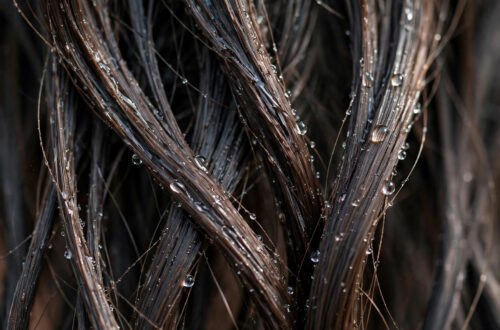
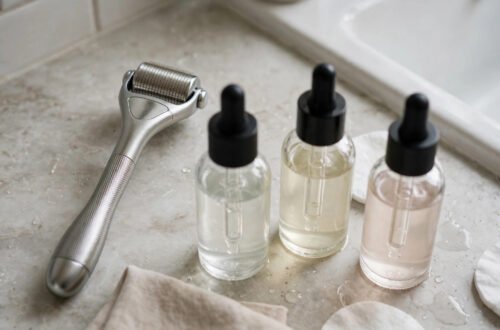
There comes a moment — usually involving a photo taken in unflattering light — when you realise your hair has had enough. The ends are see-through, the breakage crackles when you brush, the bleach has finally collected its debt. Growing out damaged hair feels like serving a sentence: months of awkward lengths, frizz, and the temptation to just cut it all off and start again.
But growing it out well — retaining length while the damage gradually disappears — is a skill, not just a waiting game. Here’s how to do it in the healthiest way possible in 2026.
The Mindset Shift: Retention, Not Just Growth
Here’s what nobody tells you: your hair is always growing — about 1.25cm a month regardless. The reason damaged hair never seems to get longer isn’t slow growth; it’s breakage eating the gains as fast as they arrive. Growing out damage is therefore a retention project: every centimetre you prevent from snapping off is a centimetre kept.
This reframe changes everything. You’re not waiting passively; you’re actively defending new growth while strategically removing damage. Expect the full journey to take 12–24 months depending on damage severity — but you’ll see and feel improvement within weeks, which is what keeps you going.
The Trimming Strategy (Yes, You Still Cut It)
“Growing it out” doesn’t mean “never cut it” — that’s how you get fairy-tale ends that snap off in handfuls. The method that works: micro-trims every 8–12 weeks, removing just 0.5–1cm. This gradually excises damage while net length increases, since you grow ~3–4cm in the same period.
Alternative for the impatient: the big chop then grow — removing most damage at once and growing from a healthy baseline. It’s faster overall but requires accepting short hair for a while. There’s no wrong choice; there’s only the choice that keeps you from reaching for the bleach in month four. Looking polished during the awkward phase is mostly about styling and confidence, not length.
The Routine That Actually Repairs (What’s Real vs Hype)
What genuinely works
Bond-building treatments: the biggest genuine advance in hair science — products that rebuild broken disulphide bonds inside the hair shaft. Used weekly, they measurably reduce breakage on chemically damaged hair. Protein-moisture balance: damaged hair needs both — protein treatments for strength, deep conditioning for elasticity. Alternate them; too much of either causes its own problems. Pre-shampoo oiling: coconut or argan oil applied 30+ minutes before washing reduces protein loss during shampooing — one of the best-evidenced cheap interventions. Silk/satin pillowcases: less friction than cotton, measurably less morning breakage.
What’s mostly hype
“Repairing” split ends — no product fuses a split end back together; they can only temporarily glue it. Rice water, onion juice, and most viral DIY treatments — harmless mostly, miraculous never. Expensive doesn’t mean effective: a £6 pre-shampoo oil often outperforms a £40 serum. And like building a wardrobe, consistency with basics beats a shelf of impulse buys.
Protective Habits: The Unsexy Stuff That Matters Most
Heat: minimise it — and when you must, heat protectant every time, no exceptions. Air-drying 80% then finishing with a dryer does far less damage than full heat styling. Brushing: wide-tooth comb on conditioned hair, or a detangling brush on dry — never rip through tangles; work from ends upward. Hairstyles: loose protective styles (braids, buns with silk scrunchies) shield ends from friction; tight ponytails with elastic bands cause breakage exactly where you can least afford it. Swimming: wet hair with clean water and apply conditioner before pools — dry hair absorbs chlorinated water like a sponge.
Sleep: loose braid or pineapple, silk pillowcase. Trims of a different kind: search-and-destroy missions — snipping individual split ends with sharp scissors (not kitchen scissors, not bitten off) between salon visits — prevent splits travelling up the shaft.
Nutrition: The Inside Story
Hair is built from protein, so adequate protein intake matters — but no supplement overcomes a deficient diet, and no superfood makes hair grow faster than its genetic rate. The evidence-based basics: sufficient protein, iron (deficiency is a common, underdiagnosed cause of shedding — worth checking via your GP alongside any major hair concerns; the NHS guidance on hair loss explains when shedding needs medical investigation), and not crash-dieting (rapid weight loss triggers shedding 2–3 months later). The British Association of Dermatologists also notes that persistent, patchy, or sudden hair loss deserves professional assessment rather than cosmetic treatment — growing out damage is a cosmetic project, but active hair loss can be a medical one.
The Two-Year Timeline: What to Expect
Month 1–3: the hardest phase — damage still visible, new habits not yet second nature. Focus on stopping further damage (no more bleach, minimal heat) and establishing the routine. Month 4–8: the turning point — new growth is visibly healthier, breakage reduces, and micro-trims have removed the worst ends. This is where most people quit; push through. Month 9–15: the majority of your length is now healthy hair — the texture difference between roots and ends narrows dramatically. Month 16–24: the last damaged ends disappear, and you’re left with the hair you were growing all along.
Document it: take a photo in the same light every month. Progress is invisible day-to-day and dramatic month-to-month — the photos keep you going when the mirror doesn’t. And celebrate the milestones: the first trim where the hairdresser says “it’s looking so much better,” the day you realise you haven’t thought about damage in weeks. Growing out damage is slow, but it’s one of the few beauty projects where patience is literally the entire method.
The Bottom Line
Growing out damaged hair in a healthy way means: treating it as a retention project, micro-trimming every 8–12 weeks, using bond-builders and alternating protein/moisture treatments, protecting from heat and friction daily, and being patient for 12–24 months. The damage didn’t happen in a week and it won’t leave in one — but with the right routine, every month your hair gets measurably better, and the day you realise the damaged ends are finally gone is genuinely joyful.
Frequently Asked Questions
How long does it take to grow out damaged hair?
Typically 12–24 months for significant chemical or heat damage, depending on length and severity. Micro-trims every 8–12 weeks remove damage gradually while net length increases ~2–3cm per trim cycle.
Should I cut off all damaged hair at once?
It depends on damage severity and your tolerance for short hair. A big chop is faster overall; gradual micro-trims preserve length but take longer. Both work — choose based on what keeps you committed.
Do bond-building treatments really repair damaged hair?
They’re the most evidence-backed repair category — they rebuild broken bonds inside the hair shaft and measurably reduce breakage. They can’t fuse split ends, but they significantly improve the strength of damaged lengths.
Can damaged hair be fully repaired?
Damaged lengths can’t return to virgin condition — hair is dead protein. But bond-builders, proper moisture/protein balance, and protective habits can make damaged hair strong, shiny, and manageable while healthy new growth replaces it.
Does biotin help hair grow faster?
Only if you’re deficient, which is uncommon. Hair grows at a genetically determined rate (~1.25cm/month) that supplements can’t accelerate. Focus on retention (preventing breakage) rather than trying to speed up growth.