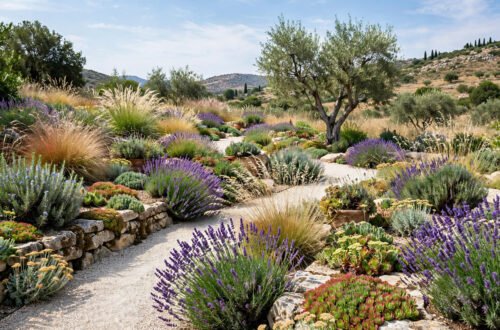
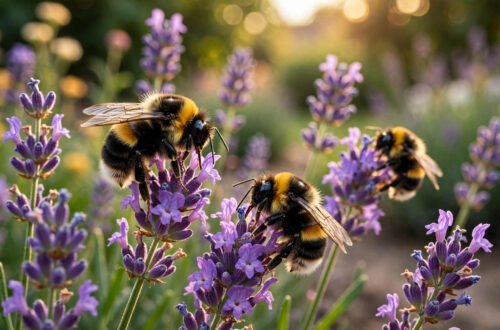
You have decided to ditch the chemical weedkillers — for the wildlife, the soil, the kids, the dog, or just because you prefer not to spray poison where you live. Admirable. Then the weeds laugh at you. Dandelions return overnight, bindweed strangles everything, and you start to wonder whether everyone who gardens chemical-free is simply lying about it.
They are not lying — but many beginners make the same handful of mistakes that make chemical-free weeding feel impossible. Fix these, and the war becomes winnable.
Mistake 1: letting weeds seed (“one year’s seeding, seven years’ weeding”)
The old allotment saying exists for a reason: a single dandelion clock releases around 200 seeds; groundsel can produce three generations per year. The number one mistake is weeding reactively — waiting until weeds are big and obvious, by which time many have already seeded. Weed little and often, hoeing seedlings when they are tiny and seed-free. Ten minutes weekly beats a heroic monthly session, because you are preventing next year’s weeds, not just removing this year’s.
Mistake 2: hoeing on a wet day
Hoeing works by severing weed roots and leaving the fragments to desiccate in the sun. Hoe on a wet, overcast day and the fragments simply re-root — you have effectively transplanted your weeds. Hoe on dry, sunny days, ideally in the morning, so severed weeds wither by evening. This single timing change doubles hoeing effectiveness.
Mistake 3: leaving soil bare
Nature abhors bare soil, and weeds are nature’s emergency repair crew — they colonise exposed earth within days. Every patch of bare soil is a weed invitation. The chemical-free answer is mulch: a 7–10cm layer of bark, compost, or wood chips blocks the light weed seeds need to germinate. Mulched beds need a fraction of the weeding of bare ones. Ground-cover planting achieves the same thing livingly. If you are rethinking bed layouts, practical eco-friendly home ideas include several garden approaches that reduce bare soil.
Mistake 4: fighting perennial weeds with annual tactics
Annual weeds (chickweed, groundsel) die if you hoe them once. Perennial weeds — bindweed, couch grass, docks, nettles, brambles — regenerate from root fragments, and hoeing chops them into more plants. This is the mistake that breaks beginners: treating bindweed like chickweed.
Perennials need different weapons: digging out (patiently, removing every root fragment — a border fork and persistence), exclusion (burying the area under light-excluding membrane or thick cardboard for a full season), or exhaustion (repeatedly removing top growth so roots starve — effective but slow). Identify which weeds are perennial first; the RHS weed guides help with identification, while Garden Organic’s weed advice covers organic control methods in depth.
Mistake 5: ignoring the lawn edges and paths
Weeds do not respect boundaries. Dandelions seeding from an unmown lawn edge, creeping buttercup invading from paths, ivy pouring over the fence — edge zones are weed headquarters. Maintain a clean edge: a half-moon edger cut along lawn borders twice a year, weeded paths, and trimmed fence lines cut weed pressure dramatically. It is unglamorous work that prevents glamorous problems.
Mistake 6: expecting a weed-free garden
The final mistake is philosophical. Chemical-free gardening does not mean weed-free gardening — it means managed weeds. A few dandelions feed early bees; clover in lawns fixes nitrogen; many “weeds” are wildflowers with PR problems. Aim for control, not eradication: keep weeds from seeding, keep them out of your crops’ root zones, and tolerate the rest. Gardeners who accept this enjoy their gardens; perfectionists who do not burn out.
The toolkit that replaces the sprayer
A sharp hoe (Dutch hoe for beds, oscillating hoe for paths), a hand fork for perennial roots, mulch by the bagful, and cardboard (free from every delivery box) for smothering new beds. That is the complete chemical-free arsenal — under £50, no protective equipment, no warning labels, and nothing that harms the frogs, bees and worms that make a garden alive. The same chemical-free philosophy works indoors too: our guide to unblocking a sink without harsh chemicals applies the same thinking to household problems.
Weed-suppressing ground cover: planting the problem away
The most elegant chemical-free weed control is not weeding at all — it is planting so densely that weeds never get light. Ground-cover plants (geranium ‘Rozanne’, vinca, pachysandra, creeping thyme for sunny spots) form living mulch that suppresses weeds permanently once established. The trick is thorough preparation: clear the area completely first (cardboard smothering for a season works brilliantly), plant through mulch, and weed diligently for the first year while the cover knits together. After that, maintenance collapses to almost nothing. It is slower than bark mulch but permanent, beautiful, and ecologically richer.
Seasonal rhythm: the year-round weed calendar
Chemical-free weeding follows the seasons. Spring: hoe seedlings weekly as growth explodes; mulch bare soil before weeds establish. It is the highest-leverage weeding of the entire year — an hour now prevents ten hours later. Summer: deadhead weeds before they seed — this is the critical seeding-prevention window; never let anything set seed in July. Autumn: clear spent crops, sow green manures on empty beds, and dig out perennial roots while soil is workable. Winter: the quiet months — plan rotations, order mulch, and smother problem areas with cardboard for spring. Work with this rhythm and weeds stay a background chore; fight against it and they become a crisis.
Conclusion
Chemical-free weeding fails when beginners let weeds seed, hoe in the wet, leave soil bare, treat perennials like annuals, ignore edges, or demand perfection. Fix those six mistakes and the workload collapses to a manageable weekly rhythm — ten minutes with a hoe on a sunny morning, mulch doing the heavy lifting the rest of the time, and ground cover gradually taking over. The weeds will not vanish, but they will stop winning — and your garden will be healthier for the way you fought them.
Frequently Asked Questions
What is the best chemical-free weedkiller?
There is no true equivalent — that is the honest answer. Boiling water kills path weeds effectively; vinegar-based sprays burn top growth (but not perennial roots); flame weeders work on drives. All are contact-only: they kill what they touch and nothing systemic. Prevention (mulch) beats cure.
How do I get rid of bindweed without chemicals?
Persistence: dig out every root fragment you can find (white, fleshy roots — every piece regrows), then repeatedly remove new shoots to exhaust the roots. Alternatively, cover the area with light-excluding membrane for a full growing season. Expect a 2–3 year campaign, not a weekend fix.
Does mulch really stop weeds?
Yes — dramatically. A 7–10cm mulch layer blocks the light that triggers weed seed germination, cutting weeding by 70–90% in our experience. It will not stop established perennial weeds pushing through, so clear those first.
Are weeds actually bad for the garden?
Not inherently. Weeds compete with your plants for water, light and nutrients — that is the practical problem. Ecologically, many support pollinators and soil life. The chemical-free approach is about managing competition, not waging war on nature.
How often should I weed?
Little and often: 10–15 minutes weekly in the growing season prevents 95% of problems. Weeds are easiest to kill as seedlings — a two-week-old weed pulls out with two fingers; a two-month-old one needs tools and swearing.