
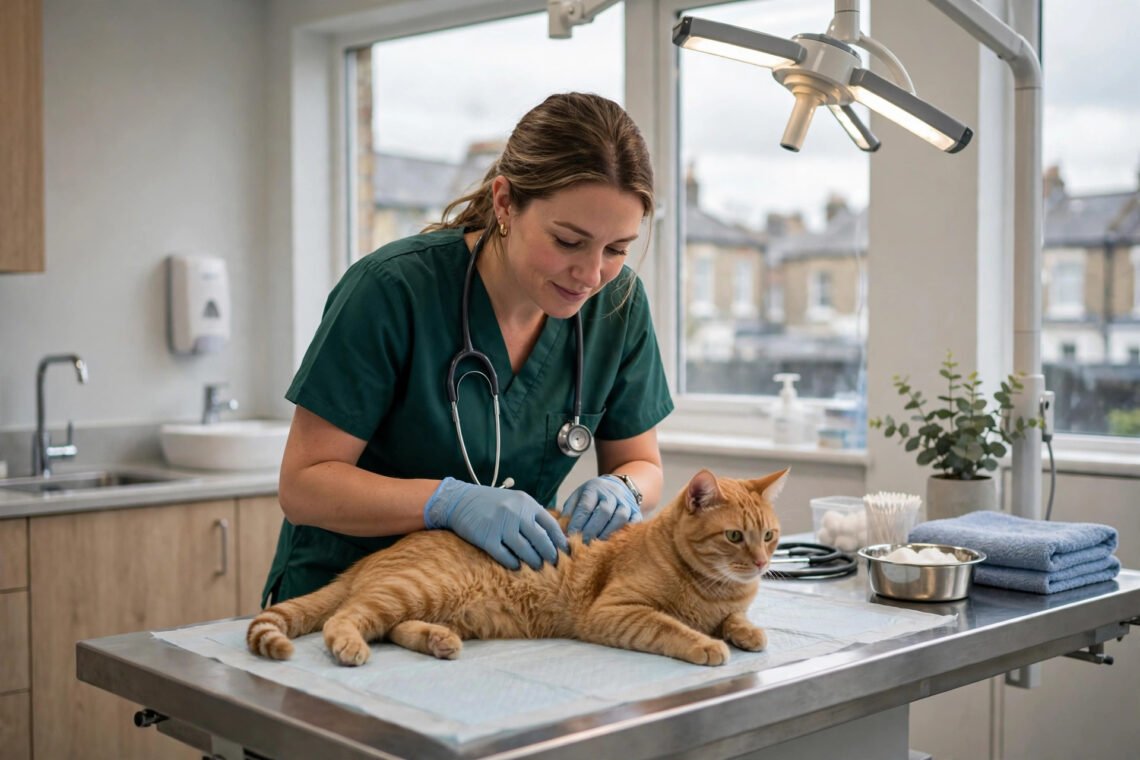
Your cat is listless, your dog is limping, and suddenly you are Googling vets at 9pm with a rising sense of panic. Choosing a vet is one of the most consequential decisions a pet owner makes — this is the person who will guide your animal through illness, surgery and eventually end-of-life. So when should you choose a vet you can actually trust? Ideally before you need one: the best time to find a vet is when your pet is healthy, not during a crisis. This guide shows you how to evaluate practices, what questions to ask, and the red flags that should send you elsewhere.
The UK veterinary market has changed dramatically. Independent practices are increasingly being bought by large corporate groups, prices vary enormously between neighbouring practices, and online reviews tell only part of the story. A trustworthy vet is not necessarily the cheapest or the closest — it is the one that combines clinical competence, honest communication and genuine care for both animal and owner.
Start With the Basics: Registration and Standards
Every practising vet in the UK must be registered with the Royal College of Veterinary Surgeons (RCVS) — you can verify any vet’s registration on the RCVS Find a Vet register. Beyond individual registration, look for practices accredited under the RCVS Practice Standards Scheme, which audits premises, equipment, hygiene and procedures. Accreditation is voluntary, so its presence signals a practice willing to be judged against standards — a meaningful trust indicator.
Practical basics matter too: location within a reasonable drive (emergencies do not wait for a 40-minute journey), opening hours that fit your life, and crucially, out-of-hours arrangements. Ask exactly what happens at 2am — do they handle emergencies themselves, or hand over to a distant emergency clinic? Continuity of care matters, and some owners are surprised to find their “local” vet outsources nights to a clinic an hour away.
The Consultation Test: What Trust Looks Like
Book a routine appointment — a vaccination or health check — as a trial run before any crisis. A trustworthy vet does several things consistently. They handle your pet gently and read its body language, rather than wrestling it into submission. They explain what they are doing and why, in language you understand, without condescension. They discuss options with costs attached before proceeding — not after. And they are honest about uncertainty: “I’m not sure what’s causing this; here’s how we’ll find out” is far more trustworthy than false confidence.
Watch for the commercial pressures. The Competition and Markets Authority’s investigation into the UK vet sector highlighted concerns about pricing transparency and the steering of clients toward expensive treatments. A vet you can trust gives you the full range of options — including watchful waiting and referral — with honest pros, cons and costs for each. Be cautious of practices that seem to find something expensive at every visit, that discourage second opinions, or that present only the priciest option as if alternatives do not exist. The CMA’s veterinary market investigation is worth knowing about as a pet owner — it exists because these problems are real.
Questions to Ask Before You Register
Ask about pricing transparency directly: do they publish a price list? What does a standard consultation cost, and what is included? How do they handle estimates for surgery — written estimates should be routine. Ask about their approach to referral: a good vet refers complex cases to specialists without ego, and you should never feel guilty for requesting a referral or a second opinion.
Ask about nurse clinics and preventative care plans — practices invested in prevention (weight clinics, dental checks, senior pet screening) tend to be invested in long-term health rather than reactive treatment. Ask how they communicate: will you see the same vet each visit? Continuity builds the relationship through which trust grows. And ask about their end-of-life care, uncomfortable as it is — a practice that handles euthanasia with gentleness, offers home visits for it, and gives you time and space is one that understands what pets mean to people. RSPCA pet care resources include guidance on what to expect from veterinary care standards.
Red Flags That Should Make You Leave
Some patterns are disqualifying. Repeated misdiagnoses or a refusal to explain reasoning. Pressure tactics — “if you loved your pet you’d do the scan” is manipulation, not medicine. Wildly inconsistent pricing between visits with no explanation. Dismissiveness toward your observations; you know your pet’s normal behaviour better than any vet, and a good one treats your input as diagnostic data. Poor hygiene in consult rooms or wards. And a general sense of being processed rather than cared for — trust your instincts here, because the vet-client relationship depends on communication as much as clinical skill.
Price deserves nuance: the cheapest vet is not the best value if corners are cut, and the most expensive is not automatically the best. What matters is transparency — clear pricing, written estimates, itemised bills — and proportionality: treatment plans scaled to the condition, the prognosis and your circumstances, discussed openly. Pet insurance changes this dynamic significantly, so if you are weighing cover, read our guide to finding pet-friendly hotels in the UK for the travel side of pet ownership, and make sure your home is set up safely with tips from childproofing your home without making it ugly — many of the same hazard-proofing principles protect pets.
The Bottom Line
Choose a vet before you need one: verify RCVS registration and Practice Standards accreditation, trial the practice with a routine visit, and judge them on gentle handling, honest communication, transparent pricing and respect for your input. A vet you can trust explains options with costs, welcomes second opinions, refers without ego and treats your observations as valuable. If you feel pressured, confused or dismissed, keep looking — the right practice is out there, and your pet deserves a vet you never have to second-guess.
Frequently Asked Questions
How do I check if a UK vet is properly qualified?
Search the RCVS “Find a Vet” register online — all practising UK vets must be registered. You can also check whether the practice holds RCVS Practice Standards Scheme accreditation.
Should I choose an independent vet or a corporate practice?
Both can be excellent or poor. Judge the individual practice on clinical standards, communication and pricing transparency rather than ownership — though it is worth knowing who owns the practice, as the CMA investigation found ownership can affect pricing.
Is it okay to change vets if I am unhappy?
Absolutely. You can change practices at any time; your new vet will request your pet’s clinical history from the old one. Never stay with a vet you do not trust out of politeness.
What should a vet consultation cost in the UK?
Standard consultations typically range from £40 to £70 depending on region, with London and the South East highest. Practices should publish prices or provide them on request — opacity about basic fees is a red flag.
Can I ask my vet for a second opinion or referral?
Yes, and a trustworthy vet will welcome it. Referral to a specialist for complex conditions is standard good practice, and requesting one should never damage your relationship with your vet.


