British summers are changing. The hosepipe bans, the brown lawns, the 40°C day in 2022 that rewrote what “summer” means — gardeners who once planned for drizzle are now planning for drought. And the gardeners coping best aren’t the ones watering harder; they’re the ones who planted smarter.
Drought-tolerant plants — chosen for hot summers — aren’t about creating a desert. They’re about building a garden that thrives on neglect during the dry weeks and still looks glorious. For UK families facing hotter summers, here’s how to choose them as a complete beginner.
What “Drought-Tolerant” Actually Means
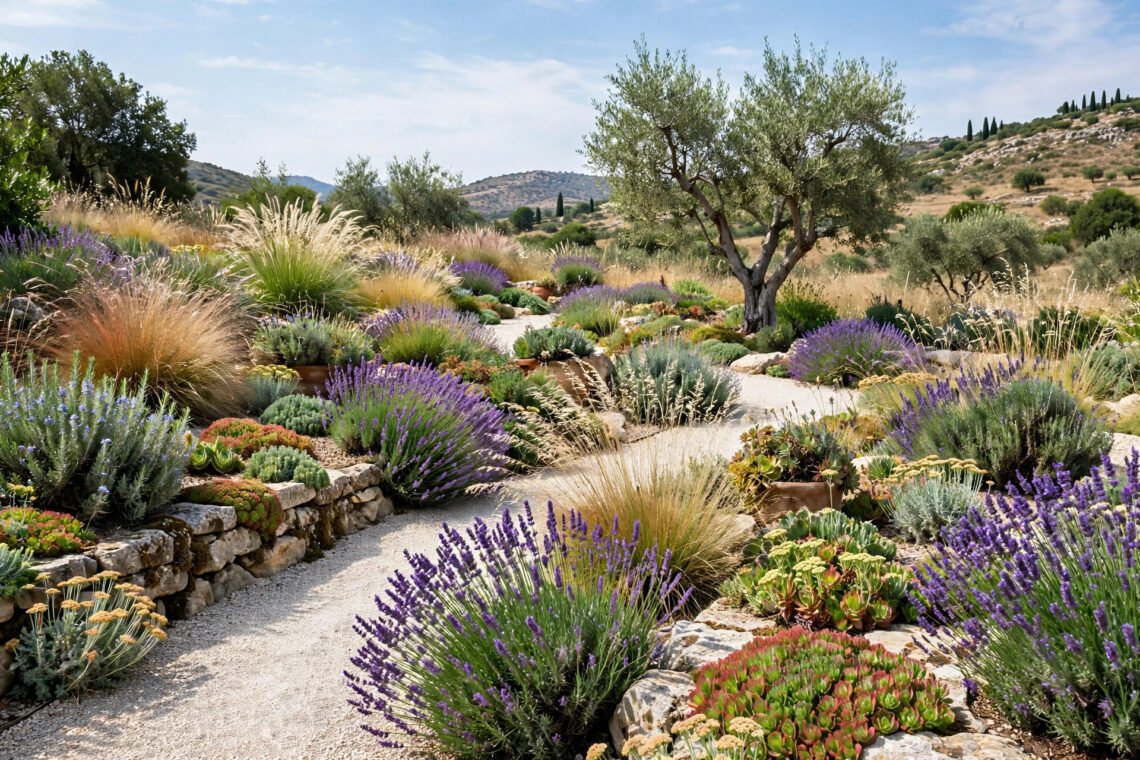
Drought tolerance isn’t immunity to thirst — it’s efficiency. These plants survive dry spells through adaptations: silver/grey foliage (reflects heat — lavender, artemisia), fleshy leaves (water storage — sedums, sempervivums), deep roots (tapping moisture far down — echinacea, ornamental grasses), small or narrow leaves (less water loss — rosemary, thyme), and Mediterranean origins (evolved for hot, dry summers — cistus, phlomis).
The key insight for beginners: drought-tolerant doesn’t mean cactus garden. Many of the most beautiful garden plants — roses (once established), lavender, salvias, verbena bonariensis — are naturally drought-tough. You’re choosing better plants, not stranger ones. The RHS drought gardening guidance is the authoritative UK reference for what works in our changing climate.
The Beginner’s Plant List (Nearly Unkillable)
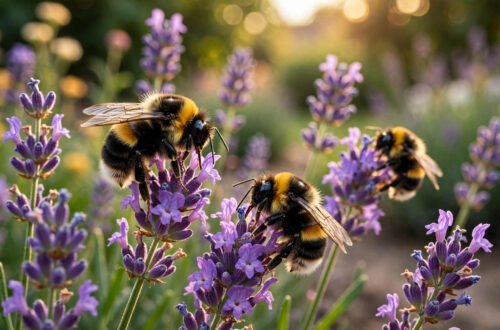
The backbone: lavender (all varieties — the ultimate beginner drought plant), sedum spectabile (autumn flowers, bee magnet, thrives on neglect), echinacea (deep roots, long flowering), salvia nemorosa (months of colour, deadhead for more), verbena bonariensis (tall, airy, self-seeds politely).
Silver and structural: artemisia ‘Powis Castle’ (gorgeous silver mounds), stachys byzantina (lamb’s ears — kids love the furry leaves), eryngium (sea holly — architectural steel-blue thistles).
Grasses: stipa tenuissima (Mexican feather grass — movement and softness), miscanthus (tall drama for back borders), festuca glauca (blue fescue — neat blue tufts for edges). Grasses are the secret weapon of drought planting: deep-rooted, beautiful, and they look good even when everything else rests.
Herbs (beauty + kitchen): rosemary, thyme, oregano, sage — all Mediterranean natives that prefer poor, dry soil and punish overwatering. For tricky spots, remember that drought-tolerant mostly means sun-loving — match plants to your aspect honestly.
Planting for Drought: Technique Matters as Much as Choice
Plant in autumn or spring — never in a heatwave. Autumn planting is ideal: roots establish through winter rains before summer arrives. Water deeply but rarely for the first season — a weekly deep soak trains roots downward; daily sprinkles train them to the surface where they’ll fry. Mulch thickly (5–8cm of bark, gravel, or compost) — the single highest-impact drought technique, cutting soil water loss dramatically. Improve drainage, not richness: most drought plants hate winter wet more than summer dry — add grit to heavy clay.
Group by thirst: plant the thirsty ones together near the house (easy to water) and the tough ones where the hose doesn’t reach. This “hydrozoning” is how professionals design low-water gardens — and it means you’re never dragging hoses across the whole garden in August.
What About Lawns?
The honest truth: traditional lawns are the thirstiest thing in most gardens. Options: accept the brown — UK grass almost always recovers with autumn rain (it’s dormant, not dead); reduce lawn area in favour of drought planting; switch to clover or chamomile lawns (stay greener, need less water, feed bees); or raise the mower — longer grass shades its own roots and survives drought far better. The brown-lawn panic of recent summers was mostly cosmetic; the grass knew what it was doing.
Watering Smart When You Must
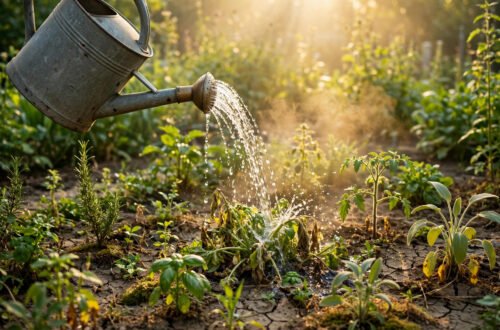
Even drought gardens need establishment watering and heatwave help. The rules: water early morning or evening (less evaporation), water the soil not the leaves (seep hoses and watering cans beat sprinklers), prioritise — new plantings and containers first, established drought plants last. Collect rainwater in butts (plants prefer it to tap water anyway), and factor water efficiency into any landscaping plans — it’s cheaper to design it in than retrofit it.
Check the Met Office seasonal outlooks each spring — knowing whether a dry summer is likely helps you prepare mulch, water butts, and planting plans in advance rather than reacting in July.
Containers and Balconies: Drought Gardening Without a Garden
No garden? Containers are actually ideal for drought planting — you control the soil completely (gritty, free-draining compost), and Mediterranean herbs and sedums thrive in pots with minimal watering. The rules shift slightly: containers dry faster than ground soil, so use the largest pots you can (more soil = more moisture buffer), mulch the surface with gravel, and group pots together to create a humid microclimate.
Best container drought plants: lavender (one per large pot), trailing rosemary, thyme lawns in shallow bowls, sempervivums (houseleeks — practically immortal, beautiful rosettes, propagate freely), and agave for the dramatic statement. A sunny balcony of drought containers needs watering perhaps twice a week in heatwaves — less than most houseplants — and looks intentional and stylish year-round.
Key Takeaways
- Look for the adaptations: silver foliage (lavender), fleshy leaves (sedums), deep roots (echinacea), narrow leaves (rosemary) — beauty, not desert.
- Beginner-proof list: lavender, sedum, echinacea, salvia, verbena bonariensis, ornamental grasses, and Mediterranean herbs.
- Plant in autumn, water deeply but rarely to train deep roots, and mulch 5–8cm — the highest-impact drought technique.
- Group by thirst (hydrozoning): thirsty plants near the house, tough ones where the hose doesn’t reach.
- Stop panicking about brown lawns: UK grass goes dormant, not dead — it recovers with autumn rain; raise the mower to help it cope.
The Bottom Line
Choosing drought-tolerant plants for hot UK summers: pick Mediterranean-adapted plants with silver foliage, fleshy leaves, or deep roots (lavender, sedums, echinacea, salvias, grasses, herbs), plant in autumn, mulch thickly, water deeply but rarely to train deep roots, group plants by thirst, and stop panicking about brown lawns. The result isn’t a compromised garden — it’s a garden that looks intentional, flowers for months, feeds pollinators, and shrugs at hosepipe bans. In the summers we’re now getting, that’s not just smart gardening. It’s the only kind that works.
Frequently Asked Questions
What are the best drought-tolerant plants for UK gardens?
Lavender, sedums, echinacea, salvia nemorosa, verbena bonariensis, artemisia, stachys, eryngium, ornamental grasses (stipa, miscanthus), and Mediterranean herbs (rosemary, thyme, oregano). All thrive in UK conditions with minimal watering once established.
Do drought-tolerant plants need any watering?
Yes during their first growing season — water deeply once a week to establish deep roots. After that, most need watering only in prolonged extreme heat. Overwatering kills more drought plants than underwatering.
Will my lawn recover after going brown in summer?
Almost always — UK grass goes dormant in drought, not dead, and recovers with autumn rain. Avoid walking on it when brown and don’t waste water trying to keep it green; raise mower height to help it cope.
When should I plant drought-tolerant plants?
Autumn is ideal — roots establish through winter rains before summer drought. Spring is second best. Never plant in a heatwave; even drought-tolerant plants need establishment water.
Is mulch really effective for drought?
Yes — 5–8cm of bark, compost, or gravel mulch dramatically reduces soil water loss, suppresses weeds (which compete for water), and regulates soil temperature. It’s the single highest-impact drought technique for the effort involved.