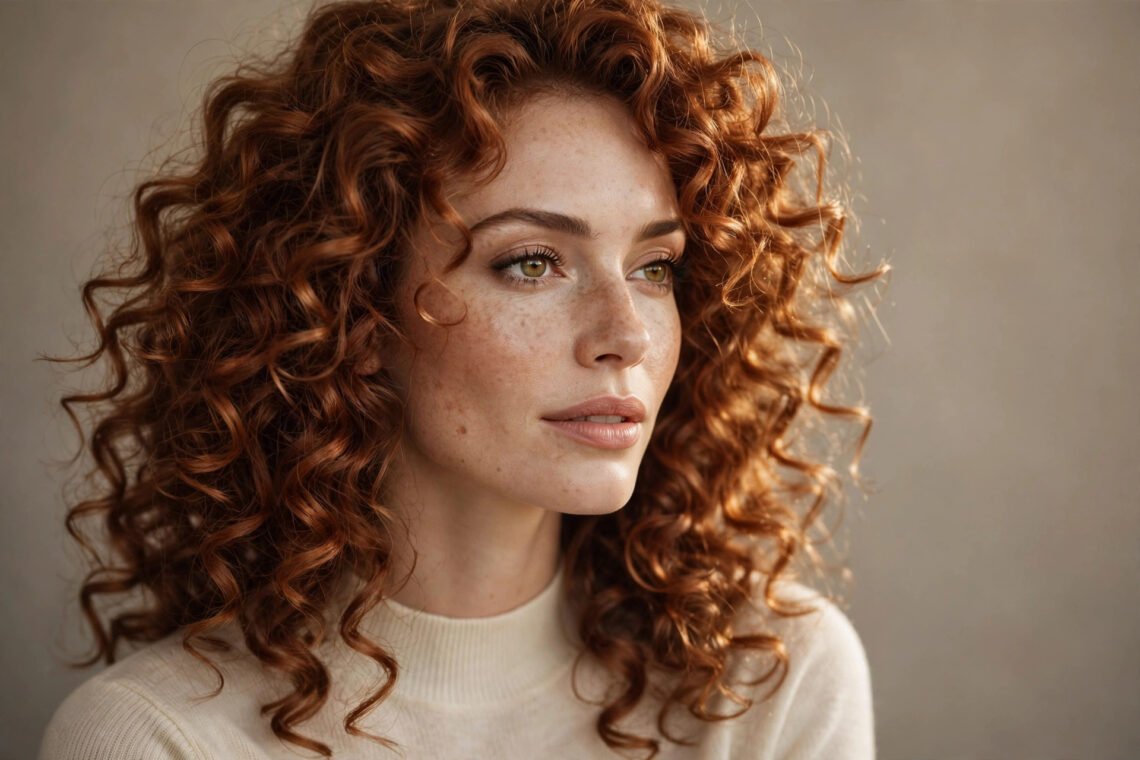
Curly hair and box dye have a complicated relationship. Curls are naturally drier than straight hair — the oils from your scalp can’t travel down the spirals — and most permanent dyes work by lifting the cuticle and stripping natural pigment, which is exactly the kind of rough treatment dry curls can’t afford. The result, too often: colour that looks great for a week, then straw-like breakage that takes a year to grow out.
But giving up colour isn’t the only option. In 2026, curl-conscious colouring — at home and in the salon — is a proper discipline with its own products and techniques. Here’s how to get the colour you want without sacrificing the curls you love.
Why Dye Damages Curls More Than Straight Hair
It comes down to structure. Each curl bend is a stress point where the cuticle is naturally raised, and curly hair’s elliptical fibre shape makes it more porous — it absorbs chemicals faster and loses moisture faster. Permanent dyes containing ammonia and high-volume peroxide force the cuticle open aggressively; on curls, that means more protein loss, more porosity, and the dreaded combination of faded colour and limp, undefined curls.
This doesn’t mean never colour — it means colour strategically. The NHS notes on hair health apply here too: hair is dead protein, so damage is cumulative and irreversible except by growing it out. Every chemical process should be treated as a withdrawal from a finite account.
The Damage Hierarchy: From Safest to Riskiest
Not all colour is equal. Ranked by curl-friendliness:
1. Semi-permanent / direct dyes: deposit colour without lifting — no ammonia, no peroxide. They fade over 6–12 washes but barely damage the hair shaft. The safest entry point for curls, and genuinely good now (the 2026 formulas are far better than the 2010 versions).
2. Demi-permanent: low-volume developer, minimal lift, gentler than permanent. Good for going darker, toning, or blending greys — fades gradually without harsh roots.
3. Highlights / balayage: lightening is the riskiest process for curls, but painting (balayage) processes fewer strands than full-head bleach, and keeping lightened sections away from the roots preserves new growth. If you must go lighter, this is the way.
4. Permanent all-over colour: maximum coverage, maximum damage — especially going lighter. On curls, reserve for root touch-ups on previously coloured hair rather than repeated full-head applications.
5. Bleach: the nuclear option. Possible on curls with bond-builders and expert application, but every round costs curl pattern. Think very carefully.
The At-Home Protocol for Minimal Damage
Prep like it matters (it does)
Do a deep conditioning mask 2–3 days before colouring — well-moisturised hair absorbs dye more evenly and suffers less. Don’t wash immediately before (natural oils protect the scalp), and do a strand test and a patch test 48 hours ahead. The patch test isn’t optional — allergic reactions to PPD in dark dyes can be severe, and the Allergy UK guidance on hair dye reactions is sobering reading.
During: protect the most vulnerable hair
Apply coconut or argan oil to the lengths before colouring (dye goes on roots/new growth first, lengths last and briefly). Work in sections, don’t pile and scrub — friction on swollen, chemical-treated curls causes breakage. Follow timing exactly; “a bit longer for intensity” is how damage happens.
After: the recovery plan
Rinse with lukewarm water, use the conditioner in the box, then begin a bond-builder routine (products with peptides or bond-repair technology, used weekly). Switch to sulphate-free shampoo — sulphates strip colour and moisture simultaneously. Colour is part of your overall look, so give it two weeks before judging — freshly dyed curls need time to settle into their final tone and pattern. Time your colour around your social calendar — hair looks its best about a week after dyeing, once the tone has fully settled.
When to Book a Curl Specialist Instead
DIY is fine for glosses, root touch-ups, and going darker. Book a professional — specifically a curl-specialist colourist, not just any salon — for: any bleaching, major colour corrections, going more than two shades lighter, or if your curls are already damaged. A specialist understands that curly hair must often be coloured dry and in its natural curl pattern (colouring stretched-straight then watching it spring up uneven is a classic non-specialist error). It costs more; it costs less than a year of growing out a disaster.
Key Takeaways
- Damage hierarchy: semi-permanent (safest) → demi-permanent → balayage highlights → permanent all-over → bleach (riskiest).
- Always patch-test 48 hours before — PPD allergies can develop suddenly even after years of safe use.
- Protect the lengths: oil them before colouring, apply dye to roots first, and follow timing exactly.
- Aftercare is non-negotiable: bond-builders weekly, sulphate-free shampoo, and deep conditioning for elasticity.
- Book a curl specialist for any bleaching, major corrections, or going more than two shades lighter — curly hair is often best coloured dry in its natural pattern.
The Bottom Line
Choosing hair dye that won’t damage curls means: favouring semi- and demi-permanent formulas, reserving bleach and permanent lightening for professionals (or avoiding them), prepping with moisture, protecting lengths during application, and committing to bond-repair and sulphate-free aftercare. Curls and colour aren’t enemies — they just need a more thoughtful relationship. Treat the curl pattern as the priority and the colour as the guest, and both can thrive.
Frequently Asked Questions
What is the least damaging hair dye for curly hair?
Semi-permanent direct dyes — they deposit colour without ammonia or peroxide and cause minimal structural damage. Demi-permanent is the next gentlest option, suitable for going darker or toning.
Can I bleach curly hair without ruining my curls?
It’s risky but possible with a curl-specialist colourist, bond-building treatments, and realistic expectations — some loosening of curl pattern is likely. Repeated bleaching on the same sections will eventually cause breakage.
How often can I dye curly hair safely?
Root touch-ups every 4–6 weeks are standard; full-length permanent colour shouldn’t be reapplied to already-coloured lengths. Semi-permanent can be refreshed more often. Always assess your hair’s condition before recolouring.
Do I need a patch test every time I dye my hair?
Yes — allergies to hair dye ingredients (especially PPD) can develop suddenly even after years of safe use. Test 48 hours before every application, even with the same product.
What aftercare does dyed curly hair need?
Sulphate-free shampoo, weekly deep conditioning or bond-builder treatments, minimal heat styling, and regular trims. Dyed curls need more moisture than virgin curls — treat aftercare as non-negotiable, not optional.
Can I dye my hair while growing out previous damage?
Yes, with discipline: stick to semi- or demi-permanent formulas, colour only new growth, avoid overlapping onto already-damaged lengths, and keep up bond-builder treatments. If the existing damage is severe, consider waiting until micro-trims have removed the worst of it — adding chemical stress to fragile hair risks breakage that sets the grow-out back months.
How do I maintain colour between salon visits?
Use colour-depositing conditioners or glosses in your shade every 1–2 weeks to refresh tone without chemical processing, wash less often with sulphate-free shampoo in lukewarm water, and protect from sun (UV fades colour fast — a hat or UV-protectant spray). Root touch-up powders and sprays disguise regrowth for weeks, stretching the time — and money — between appointments.