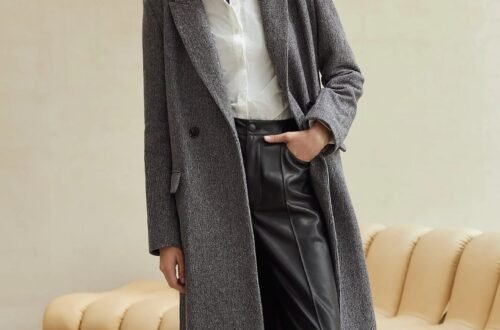
Interview dressing for banking is easy — suit, done. But a job interview in a creative industry is a trickier brief: look too corporate and you seem like you don’t get the culture; look too casual and you seem like you don’t want the job. The sweet spot is “polished with personality” — and it’s absolutely achievable without a new wardrobe.
The underlying principle: creative employers are assessing judgement, and your outfit is the first sample of it. They want to see that you understand context — that you can read a room and pitch yourself appropriately. Dressing well for a creative interview isn’t about fashion; it’s about demonstrating you get it.
What to wear to a job interview in a creative industry
Creative interviews reward personality — but there’s a line between expressive and sloppy. Here’s how to show your style while signalling you take the opportunity seriously.
The formula: smart base + one point of view
Build the outfit in two parts. First, a smart base that would work for any professional interview: well-fitting trousers or dark jeans (no rips), a crisp shirt or quality knit, clean smart shoes (loafers, Chelsea boots, minimal trainers in spotless condition). This says “I take this seriously.”
Then add one point of view — a single element with personality: an interesting blazer, a bold-but-tasteful colour, distinctive jewellery, great glasses, a textured knit, a vintage find. This says “I’m a creative person.” One element, not five — the difference between “has style” and “trying too hard” is restraint.
What to avoid: full suits (reads as not understanding creative culture, with rare exceptions), anything wrinkled or visibly worn out, strong fragrance, and novelty items that become the interview’s main topic. You want them remembering your portfolio, not your shoes.
Dress for the specific creative field
- Design/agencies/advertising: Smart casual with an edge — the formula above, leaning into the personality piece. All-black is the industry uniform for a reason.
- Fashion/media: More fashion-forward is expected — this is the one field where showing your style credentials matters. Current, considered, still professional.
- Tech/product/startups: Smart casual, minimal fuss — dark jeans, quality knit or shirt, clean trainers acceptable. Overdressing slightly beats underdressing.
- Architecture: Tends toward the tailored end of creative — think blazer, quality basics, monochrome.
- Film/TV/theatre: Practical creativity — you’ll be judged on seeming like someone good to have on a long shoot day.
When in doubt, research: check the company’s Instagram and team page. If everyone’s in hoodies, a blazer might overdress you; if the leadership team wears tailoring, match that energy. And our guide to business casual vs smart casual helps decode dress codes in the job ad.
The details that matter more than the outfit
Fit is everything — a £30 outfit that fits perfectly beats a £300 one that doesn’t. Get trousers hemmed (£8–£12 at any dry cleaner), ensure shirts don’t pull or billow, and check the back view. Grooming counts double in creative fields: clean nails, tidy hair (whatever your style, make it deliberate), and teeth. Iron or steam everything — wrinkles read as “didn’t care” in every industry.
Bring a proper bag, not a plastic carrier or gym bag. And dress for the commute too — arrive looking fresh, not windswept. If you’re unsure about pieces you own, our guide to making cheap clothes look expensive has tricks that apply perfectly here.
Video interviews: the waist-up rules
Creative interviews are often hybrid now. For video: solid colours (avoid busy patterns that moiré on camera), good lighting facing you, a tidy background, and — yes — full outfit, not pyjama bottoms. You’ll feel more professional, and standing up unexpectedly won’t end your chances.
The takeaway: smart base, one personality piece, impeccable fit and grooming, researched to the company. You’re not dressing to impress them with fashion — you’re dressing to show them you understand the assignment. That’s what creative employers are actually hiring for.
What to bring (beyond the outfit)
Your portfolio/work: creative interviews live or die on the work. Bring a tablet or laptop with your portfolio loaded offline (venue wifi is never reliable), plus a PDF backup on a USB stick. Curate ruthlessly — 8–12 strong pieces beat 30 mixed ones. Be ready to talk through 2–3 in depth: the brief, your thinking, the outcome. Questions for them: prepare five; you’ll use three. Ask about the team, the work, the challenges — “what does success look like in this role in six months?” always lands well.
The practical kit: a notebook and pen (taking notes signals seriousness), printed CV copies (someone always forgot to print them), breath mints (not gum), and your phone on silent — not vibrate, silent. Research to do beforehand: the company’s recent work, their competitors, the interviewers’ backgrounds (LinkedIn), and one genuine observation or question about their work — “I noticed your recent campaign for X did Y, which interested me because…” shows engagement no outfit can fake.
After: a brief thank-you email within 24 hours — reference something specific from the conversation, not a generic template. And the outfit’s final job: it should be comfortable enough that you forget it entirely during the interview. If you’re adjusting, tugging or overheating, it’s distracting you from the actual task — selling your brain, not your blazer. The clothes get you in the room confidently; the work and the conversation do the rest. Dress well, then forget about it completely.
Grooming for interviews: the detail checklist
Hair: clean, styled deliberately — whatever your style, it should look intentional. Fresh cut 3–5 days before (not the day before — cuts need a day to settle). Nails: clean, trimmed, neat — interviewers notice hands (you’ll be shaking them and gesturing). No chipped polish. Skin: moisturised, blotted — camera and fluorescent lighting are unforgiving. Keep blotting papers in your bag for pre-interview touch-ups.
Teeth: brushed, fresh breath (mints, not gum — dispose before entering). Fragrance: one subtle spray or none — interview rooms are small, and strong fragrance is a common complaint. The night before: lay out the full outfit (including underwear, shoes, bag), charge devices, print documents, check the route and timing. Morning-of should be execution, not decision.
The often-missed details: lint-roll dark clothing (pet hair is the silent killer of polished outfits), check for loose threads and missing buttons, ensure shoes are clean (interviewers do look down), and empty your pockets of clutter (bulging pockets ruin tailoring lines). The confidence trick: wear something with a private feel-good factor — the lucky watch, the great underwear, the scent you love. Nobody sees it, but you know it’s there, and that quiet confidence changes how you carry yourself. Grooming isn’t vanity — it’s the frame around the picture. The work gets you the interview; the details help them remember you well.
Prospects’ guide to what to wear to an interview covers dress codes across industries — useful if you’re interviewing beyond the creative sector too.