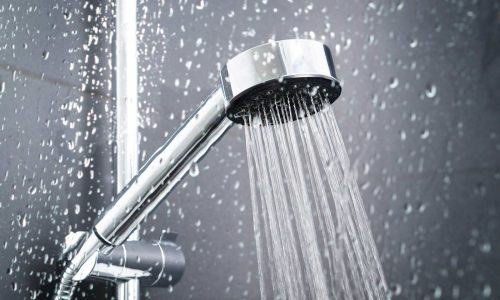
Somewhere between the Wim Hof devotees plunging into frozen lakes and the rest of us flinching at a lukewarm shower, cold water immersion became one of wellness’s biggest obsessions. Scroll social media and cold showers apparently cure everything from depression to laziness. So what are the actual benefits of cold showers for health — and what’s just shivering for content?
Let’s start with what cold showers definitely do: they wake you up. That gasp reflex, the surge of alertness, the feeling of being intensely alive — that’s a massive sympathetic nervous system activation, a flood of noradrenaline. It feels powerful because it is powerful. The question is what lasting health effects, if any, follow the initial shock.
The benefits of cold showers for health
Cold showers are claimed to boost immunity, mood and recovery — but what does the evidence actually say? Here’s an honest look at the proven benefits, the hype, and how to start safely.
Benefits of cold showers with real evidence
Mood and alertness: The strongest evidence. Cold exposure triggers substantial noradrenaline and dopamine release — one study found dopamine raised for hours afterwards. Many regulars report improved mood and a lasting sense of vigour. For mild low mood and morning grogginess, the effect is genuinely noticeable, though it’s not a treatment for clinical depression (if that’s what you’re dealing with, see our guide on when to seek professional help).
Fewer sick days (maybe): The most cited study — a large Dutch trial — found people who finished showers with 30–90 seconds of cold water took 29% fewer sick days from work. Interestingly, they reported the same number of illnesses but felt well enough to work through them — suggesting the benefit is resilience and perceived energy rather than actual immune superpowers.
Exercise recovery: Cold water immersion reduces muscle soreness after intense exercise — this is well established, which is why athletes use ice baths. A cold shower is a milder version of the same principle. If you’re training hard, it may genuinely help; see what to eat around workouts for the recovery nutrition side.
Metabolic effects: Cold activates brown fat, which burns calories to generate heat. The effect is real but small — you’re not going to shiver your way to significant weight loss. Think marginal metabolic nudge, not fat-melting miracle.
Stress resilience: Regular voluntary cold exposure appears to blunt the stress response over time — the deliberate discomfort trains your nervous system to stay calmer under pressure. This is the mechanism behind much of the “mental toughness” claim, and it’s plausible.
What’s hype
Let’s clear the shelves: cold showers do not “boost your immune system” in any clinically meaningful way (white blood cell counts bump temporarily, then settle — no evidence of fewer infections). They don’t detox anything (your liver does that). They don’t significantly raise testosterone. And the “increased willpower in all areas of life” claim is mostly anecdote. Enjoy the real benefits; ignore the miracle list.
Who should be careful
Cold water immersion stresses the cardiovascular system — the initial shock spikes heart rate and blood pressure. If you have heart disease, uncontrolled high blood pressure, Raynaud’s, or any cardiovascular condition, check with your GP first. The cold shock response can be dangerous for vulnerable people, which is also why you should never plunge into very cold open water alone. Start with showers (controlled, escapable), not lakes. Our guide to checking blood pressure at home is worth a read if yours runs high.
How to start cold showers (without hating it)
Don’t go full ice-plunge on day one — that’s how people quit on day two. The graded approach:
- Week 1: End your normal warm shower with 15–30 seconds of cool (not freezing) water.
- Week 2–3: Extend to 60 seconds, gradually turning the temperature down.
- Week 4+: 1–3 minutes of properly cold water at the end, or alternate 30 seconds cold / 30 seconds warm.
Breathe slowly and deliberately — the gasp reflex passes in seconds if you don’t fight it. Focus the cold on your back and chest rather than your head. And keep it consistent: the benefits seem tied to regular practice, not occasional heroic plunges.
The honest verdict: cold showers are a legitimate, free, mildly beneficial habit — great for alertness, mood and post-exercise recovery, with plausible stress-resilience effects. They’re not medicine. If you enjoy the bracing blast and feel better for it, that’s reason enough. If you try it and hate every second, the health gains aren’t large enough to suffer for — go for a brisk walk instead and get most of the same benefits with your dignity intact.
Cold showers vs plunges vs ice baths: what’s the difference?
Cold showers (10–20°C): the accessible entry — controlled, escapable, free. Gives you the alertness, mood and stress-resilience benefits with minimal risk. The 1–3 minute cold finish is the sweet spot for most people. Cold water plunges (5–15°C): chest freezers, plunge pools, cold lakes — a bigger shock, bigger noradrenaline hit, and the full-body immersion athletes use for recovery. More effective for muscle soreness than showers; also more demanding on the cardiovascular system.
Ice baths (0–5°C): the extreme end — used by elite athletes, with genuine recovery benefits but also genuine risks (cold shock, hypothermia, cardiac stress). Not something to improvise: never alone, limit to a few minutes, and not with cardiovascular conditions. For general health purposes, showers and mild plunges capture most of the benefit with a fraction of the risk.
The honest hierarchy for regular people: a daily cold shower finish gives you 80% of the practical benefit (alertness, mood, resilience) for 0% extra cost and minimal risk. Plunges are a hobby — enjoyable, social (the wild swimming community is lovely), but not necessary. Ice baths are a sport-specific tool. Start with the shower, enjoy it if you enjoy it, and don’t let social media convince you that shivering in a wheelie bin full of ice is a health requirement. The NHS doesn’t prescribe cold exposure for good reason — it’s a pleasant optional extra, not medicine. Treat it as such and you’ll get the benefits without the dogma.
The Wim Hof method: what it actually is
Wim Hof — “The Iceman” — popularised cold exposure through a three-pillar method: breathing (cycles of deep breaths followed by breath holds), cold exposure (graduated, ending in ice baths), and commitment (mindset). The breathing technique produces measurable effects — studies show it can influence the autonomic nervous system and even modulate immune response acutely. The cold exposure claims are more modest than the marketing: the benefits described in this article (alertness, mood, stress resilience) are the evidence-backed core.
Safety warnings the hype skips: never do the breathing exercises in water or while driving (breath holds can cause fainting — people have drowned), build cold exposure gradually (the cold shock response is dangerous for the unacclimatised), and the method is not a substitute for medical treatment (Hof himself says this; his more zealous followers sometimes forget). What to take from it: the graduated approach is sound — start with cold showers, progress at your own pace, combine with breathwork if you enjoy it. The community aspect (group plunges, courses) is genuinely valuable — shared discomfort bonds people.
The sceptic’s summary: cold exposure is a legitimate mild health practice with real (if modest) benefits, wrapped in a charismatic personality’s extraordinary claims. Take the practice, leave the mythology. You don’t need to climb Everest in shorts to benefit from a cold shower — and you don’t need anyone’s permission or programme to start. Turn the dial to cold for 30 seconds tomorrow. That’s the entire initiation. Everything else is optional.