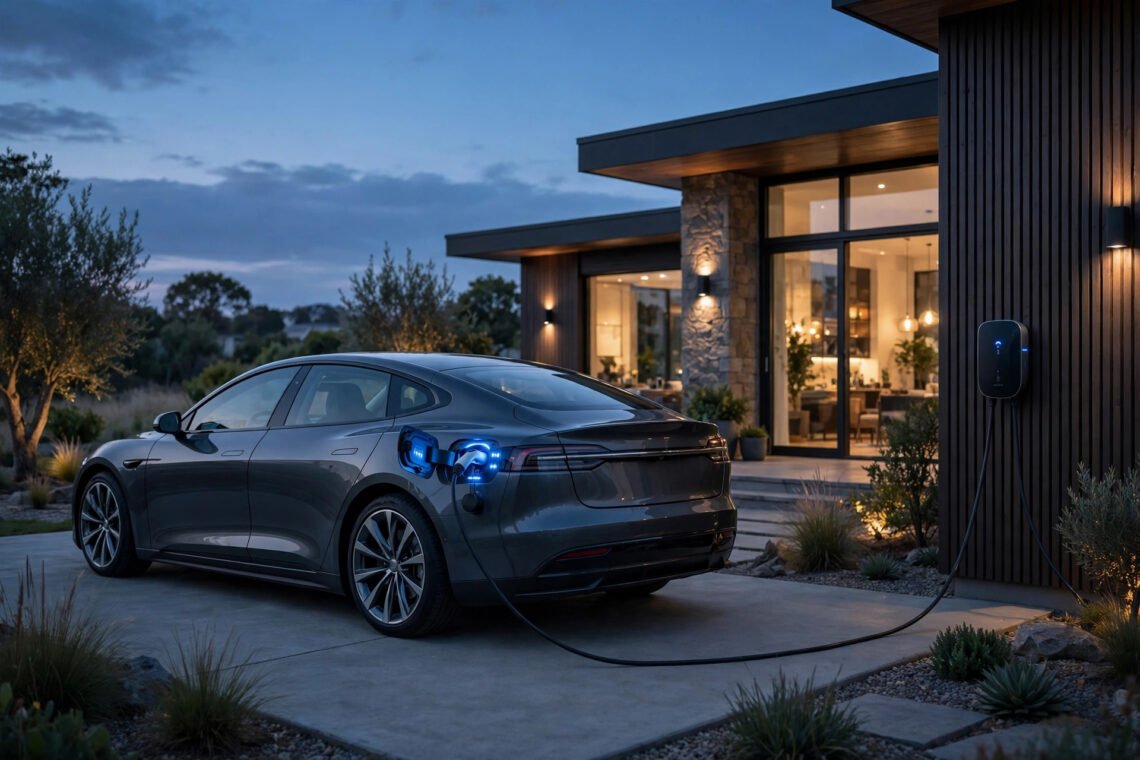
Your electric car’s battery is the most expensive component you’ll ever own without fully understanding — a £5,000–£15,000 part that determines your range, your resale value, and your daily peace of mind. So when the dashboard shows a worrying drop in range, or you’re wondering whether that “battery health check” the dealer keeps mentioning is necessary, the question arises: do I need a professional, or can I look after this myself?
The reassuring answer: most EV battery maintenance is things you do, not things done to the car. But there are moments when professional help isn’t optional. Here’s the complete picture for 2026.
What EV Battery “Maintenance” Actually Means
Unlike a petrol engine, an EV battery has no oil to change, no filters to replace, no spark plugs. “Maintenance” really means health management: charging habits that minimise degradation, software that keeps cells balanced, cooling systems that keep temperatures sane, and periodic diagnostics that catch problems early.
Modern EV batteries degrade slowly — typically 1–2% of capacity per year, with most manufacturers warranting at least 70% capacity after 8 years or 100,000 miles. The AA’s electric car guidance notes that catastrophic battery failure is rare; gradual degradation is the normal story. Your job is to keep that degradation at the slow end of normal.
What You Can (and Should) Do Yourself
Charge smart, not hard
The 20–80% rule is the single most impactful habit: lithium-ion batteries degrade fastest at very high and very low states of charge. For daily driving, set your car’s charge limit to 80% and avoid dropping below 20% regularly. Charge to 100% only before long trips — and drive soon after, rather than letting it sit full. This one habit can add years of healthy life.
Be strategic with rapid charging
DC rapid chargers are brilliant on motorways and mildly stressful for batteries if used constantly. Occasional rapid charging is fine — the car’s battery management system protects it — but if you rapid-charge daily, expect slightly faster degradation. Home or workplace AC charging as your staple, rapids for journeys: that’s the healthy pattern.
Respect temperature
Batteries dislike extremes. Precondition the battery (most EVs do this automatically when you set a rapid charger as your destination) before fast charging in winter. Park in shade during heatwaves if you can. It’s not about obsession — just avoiding the obvious abuses, like leaving the car at 100% in a heatwave for a fortnight.
Keep software updated
Manufacturers continuously improve battery management via over-the-air updates — better thermal management, smarter charging curves, more accurate range estimates. Install updates promptly; they’re free battery life. Whether you bought or lease, the software is the manufacturer’s responsibility to provide and yours to install.
When You Genuinely Need a Professional
Annual or biennial battery health checks: worth doing, ideally at a dealer or EV specialist. They read the battery management system’s data — cell balance, internal resistance, true capacity versus displayed — and spot degradation patterns you’d never see from the dashboard. Cost: typically £50–£150, often bundled with servicing.
Warning lights or sudden range drops: a sudden 15–20% range loss, charging faults, or battery warning lights mean professional diagnostics immediately. These can indicate cell failures, cooling system faults, or BMS issues — all of which need specialist equipment.
Physical damage: if you’ve grounded the car heavily, been in an accident, or notice swelling, smells, or fluid under the battery area — stop driving and call a professional. Battery damage can be a fire risk; this is not a DIY moment. The RAC’s EV advice is clear that any suspected battery damage needs expert assessment before the car is used.
12V auxiliary battery: the forgotten component — EVs still have a conventional 12V battery running the electronics, and it’s the most common cause of “my EV won’t start” callouts. It needs replacement every 3–5 years, a simple job for any garage.
What About Battery Servicing Costs?
Routine EV servicing (£150–£300) is cheaper than petrol equivalents because there’s less to service — but make sure the garage is EV-qualified. High-voltage systems demand specialist training and insulated tools; a general garage without EV certification shouldn’t touch the battery pack. The gov.uk EV guidance lists the safety standards garages should meet.
And think about the bigger environmental picture: a well-maintained battery that lasts 12–15 years in the car, then a second life in grid storage, is dramatically greener than one degraded early by bad habits. Your charging discipline is genuinely a climate action.
Battery Warranty: Know Your Rights
Every new EV sold in the UK carries a battery warranty — typically 8 years or 100,000 miles guaranteeing at least 70% capacity. Know exactly what yours covers: capacity loss (gradual degradation below the threshold — claimable) versus defects (cell failures, BMS faults — usually covered more generously). Keep servicing records, however minimal the schedule, because warranty claims get smoother with documented maintenance.
Buying used? The warranty usually transfers with the car — verify it before purchase, and get a battery health report as part of the deal. A three-year-old EV at 95% battery health with five years of warranty remaining is a fundamentally different proposition from the same car at 82% with patchy history. The battery is the car, financially speaking — its health report deserves the same scrutiny you’d give a house survey.
Key Takeaways
- Daily care is yours: the 20–80% charging rule, rapids for journeys (not daily), and prompt software updates matter most.
- Normal degradation is 1–2% per year — most manufacturers warrant 70% capacity for 8 years/100,000 miles.
- Get professional health checks (£50–£150) every year or two — they reveal cell balance and true capacity you’d never see otherwise.
- Warning signs need experts immediately: sudden range drops, charging faults, warning lights, or any physical damage.
- Don’t forget the 12V battery — the most common cause of “my EV won’t start,” needing replacement every 3–5 years.
The Bottom Line
Do you need a professional to maintain your electric car battery? For daily care, no — smart charging habits (20–80%, gentle on rapids, software updated) are yours to manage and matter most. For periodic health checks, warning lights, sudden range loss, or any physical damage, yes — absolutely, and promptly, from an EV-qualified specialist. Treat the battery like the expensive, long-lived asset it is: mostly benign neglect done right, plus professional attention when something actually changes.
Frequently Asked Questions
How long do electric car batteries last?
Typically 10–15+ years in normal use, degrading about 1–2% per year. Most manufacturers warranty at least 70% capacity for 8 years or 100,000 miles. Taxis and high-mileage EVs have demonstrated 200,000+ miles on original batteries.
Should I charge my EV to 100%?
Only when you need the full range for a long trip — and drive soon afterwards. For daily use, charging to 80% significantly slows battery degradation. Many EVs let you set a charge limit in the car’s settings.
Does rapid charging damage EV batteries?
Occasional rapid charging is fine — cars are designed for it. Daily rapid charging over years causes measurably faster degradation than AC charging. Use rapids for journeys, home/workplace charging for routine.
How much does an EV battery health check cost?
Typically £50–£150 at a dealer or EV specialist, often included in routine servicing. It reads the battery management system’s internal data to assess true capacity and cell health.
What are signs my EV battery needs professional attention?
Sudden significant range loss, charging faults or very slow charging, battery warning lights, unusual smells, or any physical damage to the underbody. Don’t ignore these — get expert diagnostics promptly.