
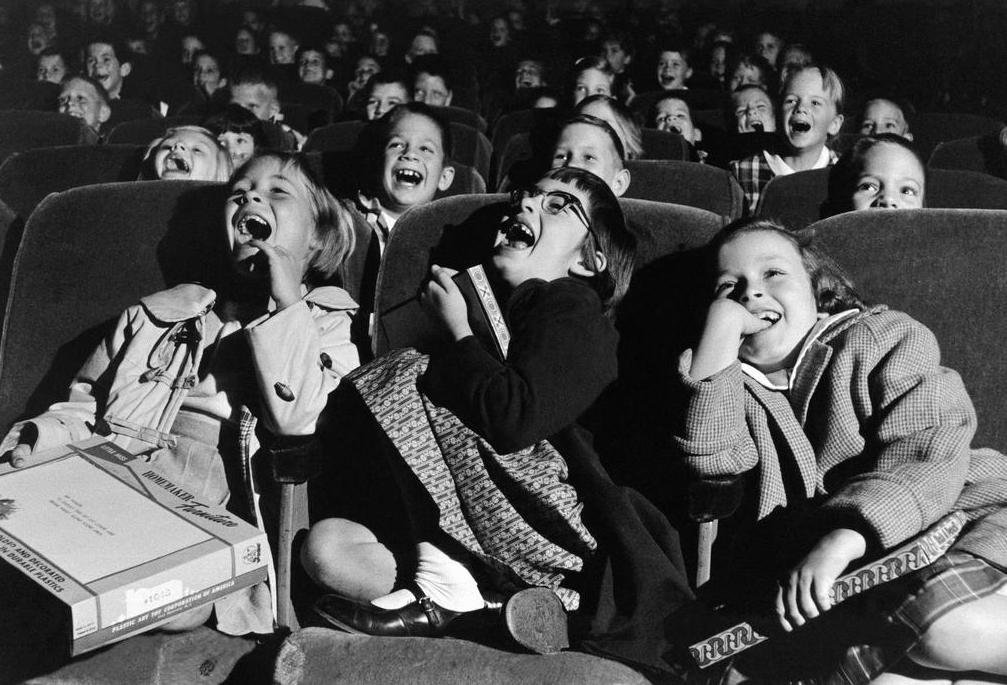
“Kids today don’t watch the classics.” Maybe — but usually because nobody’s shown them properly. Drop a 12-year-old in front of a black-and-white film with no context and you’ll get eye-rolls. But how do I introduce my kids to classic films they will enjoy? — that is really about curation and timing: the right film, at the right age, with the right setup.
The secret that film-loving parents know: kids don’t hate old films. They hate being bored. A great classic — well-chosen, well-timed — lands just as hard with a ten-year-old as it did with audiences fifty years ago. Here’s how to make it happen.
How do I introduce my kids to classic films they will enjoy: the strategy
1. Start with gateway classics, not homework
Don’t begin with Citizen Kane. Begin with films that are classics and genuinely fun for kids:
- Ages 5–8: The Wizard of Oz, Mary Poppins, Chitty Chitty Bang Bang, The Jungle Book (1967). Colourful, musical, magical — the age is the point.
- Ages 8–12: E.T., Back to the Future, Ghostbusters, The Goonies, Home Alone, Jurassic Park. The 80s blockbuster era is the ultimate gateway — pacey, funny, thrilling.
- Ages 12+: Indiana Jones, Star Wars (original trilogy, obviously), The Princess Bride, Ferris Bueller’s Day Off, Clueless. Teen-friendly classics with attitude.
2. Sell it, don’t assign it
“We’re watching an important film” is the fastest way to kill enthusiasm. Instead: “This is the film that invented the summer blockbuster” (Jaws). “This is where that meme comes from” (various). “Your teacher will think you’re a genius if you’ve seen this” (also various). Frame classics as insider knowledge, not vegetables.
3. Set the stage
Make it an event: the full movie-night treatment — popcorn, blankets, lights down. Watch together and react together; your laughter and gasps teach them how to watch. Pause to explain context if needed (“this was made before CGI — that’s a real model”), but don’t lecture. And subtitles on — always — for mumbly dialogue and unfamiliar accents.
4. Bridge from what they already love
The easiest introductions connect to current interests:
- Loves Marvel? → Try the original Superman (1978) or Batman (1989).
- Loves animation? → Classic animation — Disney’s golden age, Studio Ghibli, Wallace & Gromit.
- Loves horror? → The original King Kong, or (for brave teens) Psycho and Alien.
- Loves comedy? → Some Like It Hot, Airplane!, Groundhog Day.
- Loves Stranger Things? → E.T., The Goonies, Stand By Me — the films it’s referencing.
5. Handle the tricky bits honestly
Old films contain outdated attitudes — it’s unavoidable. Rather than avoiding every problematic classic, use them as conversation: “this was made in a different time, what do you notice?” Kids are sharper about this than adults expect, and the discussion is valuable. For genuinely upsetting content, check Common Sense Media for age-appropriate guidance — it’s the best resource for parents navigating this.
The long game
Don’t binge. One classic every couple of weeks, chosen well, builds a film education without it feeling like school. Let them choose sometimes — a kid who picks the film is invested in the film. And when they start recommending classics to you (“have you seen…?”), you’ll know it’s worked.
Some kids will take to it immediately; others need time. Both are fine. The goal isn’t to raise a film snob — it’s to give them access to a century of great stories. For family viewing generally, my streaming service guide covers where to find these, and the feel-good films list has more all-ages winners.
The family film curriculum: a year-long plan
Want to be systematic? Here’s a gentle year-long plan — one classic every two weeks, roughly in this order:
- Months 1–2 (hook them): Back to the Future, E.T., The Princess Bride, Ghostbusters. Pure fun, zero resistance.
- Months 3–4 (expand): The Wizard of Oz, Mary Poppins, Chitty Chitty Bang Bang, The Jungle Book. The technicolour classics.
- Months 5–6 (adventure): Indiana Jones trilogy, Jurassic Park, Star Wars original trilogy. The blockbuster education.
- Months 7–8 (comedy): Some Like It Hot, Groundhog Day, Airplane!, The Court Jester. Comedy history, taught hilariously.
- Months 9–10 (heart): Big, Stand By Me, Dead Poets Society (teens). The emotional education.
- Months 11–12 (their choice): let them pick from a shortlist — or revisit favourites. Ownership cements the habit.
By year’s end, they’ll have seen 24 classics, developed actual taste, and — the real prize — started suggesting films themselves. That’s the curriculum working.
The rewatch revelation
Kids rewatch constantly, and it’s developmentally brilliant — each viewing reveals new layers. The film they loved at 7 (the adventure) becomes the film they appreciate at 12 (the themes) and quote at 17 (the dialogue). Don’t fight the rewatches; the repetition is the education. Your job is just to keep adding new titles to the rotation.
When they resist (and they will)
Some films will bomb. The black-and-white one, the slow one, the one “everyone says is great” that bores them rigid. That’s fine — park it and try again in two years. Forcing a classic creates resentment that poisons future attempts. The curriculum is a buffet, not a syllabus. And honestly? Some acclaimed classics are boring. It’s okay to admit it. The goal is love of film, not completionism.
Introduce kids to classic films they will enjoy, and you’re giving them something streaming algorithms never will: context, history, and the ability to understand every film reference for the rest of their lives. That’s a gift.
What age for which classics? A rough guide
Ages 5–7: keep it musical, colourful, and under two hours. The Wizard of Oz, Mary Poppins, and Singin’ in the Rain all work beautifully — the songs carry younger kids through any slow patches, and the spectacle holds their attention. Avoid anything genuinely frightening at this age; the flying monkeys are scary enough.
Ages 8–10: this is the adventure window. E.T., Back to the Future, and The Goonies are practically engineered for this age group — kids the same age as the heroes, stakes that feel huge but safe. Jurassic Park works for braver tens, but know your child: the kitchen scene is intense.
Ages 11+: now you can go bigger. 12 Angry Men is a revelation for teenagers who think old films are boring — it’s essentially a stage play, all argument and tension, and it sparks genuine debate. Some Like It Hot, Groundhog Day, and the great Hitchcocks (Rear Window first) all land well with teens who’ve been eased in gradually rather than thrown in at the deep end.



One comment on “How Do I Introduce My Kids To Classic Films They Will Enjoy”