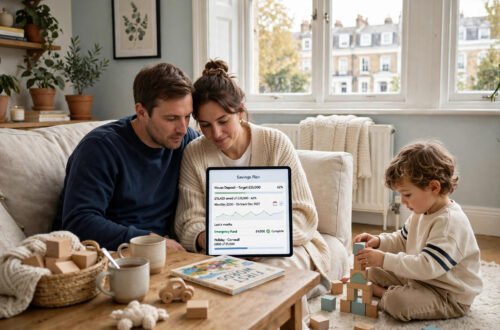
Your weekly shop has quietly become a second rent. The family trolley that cost £68 in 2021 now scans at £94, and nothing in it looks any different. Cashback apps promise to push some of that money back into your pocket — scan a receipt here, activate an offer there, collect a few pounds a week. But are they worth the faff, or just another way to trade your data for pennies? This guide gives the honest beginner’s answer: which cashback apps genuinely work for UK groceries in 2026, how to use them without becoming a coupon-obsessed spreadsheet person, and the traps that turn “free money” into expensive shopping.
How grocery cashback actually works
There are three species. Receipt-scanning apps (the best-known model): you buy as normal at any supermarket, photograph the receipt, and earn cashback on specific featured products or a small percentage of the total. Retailer-linked apps: cashback credited automatically when you shop at partner stores with a linked card. And offer-activation apps: you “boost” or activate specific product offers before shopping, then the cashback lands after purchase. Payouts typically arrive via bank transfer or PayPal once you hit a threshold — usually £5 to £20. Realistic earnings for a normal family shop: £5–£15 a month with modest effort, more if you are strategic. It will not pay the mortgage. It might pay the Christmas cheese bill, which is not nothing.
The beginner’s setup: start with one app, not five
The classic beginner mistake is downloading every cashback app on the same day, then abandoning all of them by Friday because checking five apps per shop is a part-time job. Pick one receipt-scanning app to start — the one with the best current sign-up bonus — and run it for a month. The routine that works: Sunday evening, five minutes scrolling the week’s offers while the kettle boils; shop normally on Monday; photograph the receipt in the car park before you drive off (receipts fade, phones get busy, and unclaimed cashback is the industry’s favourite profit centre). People who save money on everyday expenses consistently say the same thing: the system must take under ten minutes a week or it dies. One app, one routine, ten minutes.
Stack it with everything else
Cashback apps are not a strategy on their own — they are a layer. The same shop can simultaneously earn supermarket loyalty points, a cashback credit-card reward, and receipt-app cashback. None of these conflict. The disciplined stacker runs all three passively and treats the receipt app as the only one requiring active effort. Just never let the tail wag the dog: a 50p cashback offer on a £3 branded item you would not otherwise buy is not a saving, it is a £2.50 loss wearing a discount costume.
The traps: when cashback costs you money
Let us be blunt about the business model. These apps are not charities; they are data and marketing businesses. The offers skew heavily toward branded, processed products — the manufacturers pay for placement. If your household eats mostly own-brand basics and fresh produce, which is both healthier and cheaper, you will find fewer relevant offers, and that is fine — do not let the app reshape your diet toward the cashback. Second trap: the “minimum spend” psychology, where chasing a £2 bonus triggers a £20 impulse shop. Third: your data. Receipt apps build detailed profiles of your household’s purchasing — read the privacy policy, use the data-deletion options, and decide consciously what that is worth to you. The MoneyHelper service offers free guidance on weighing these trade-offs as part of a broader household budget review.
Maximise without becoming obsessed
The efficient frontier of grocery cashback has about four moves. One: check offers before the big shop, not after — unactivated offers are the number one source of missed cashback. Two: buy the featured item only if it was already on your list or genuinely substitutes something that was. Three: photograph every receipt immediately; most apps accept receipts up to 7–14 days old, but same-day is the habit that sticks. Four: withdraw at the threshold — do not let £40 sit in an app wallet for a year out of inertia. Beyond that, diminishing returns set in fast. The person spending forty minutes a week optimising 30p offers has a hobby, not a savings strategy — and their time has value too. For the bigger picture, using budgeting tools to manage household money will save you ten times what cashback apps ever will.
The honest maths: is cashback worth your time?
Let us do the arithmetic the apps hope you will not. Ten minutes a week is about 8.5 hours a year. At £120 annual cashback — a realistic figure for a steady user — that is roughly £14 per hour of effort, tax-free. Not life-changing, but better than most side hustles pay per hour, and it requires no skill. The maths sours when the effort creeps up: forty minutes a week for £150 a year is under £5 an hour — a hobby, not a strategy. The efficient user therefore ruthlessly caps the effort: one app, offers checked while the kettle boils, receipts photographed in the car park, withdrawals at the threshold. Anything beyond that has negative return on attention. Compare with the alternatives for the same ten minutes: checking your energy tariff could save £200 in one sitting; reviewing subscriptions might find £30 a month; MoneySavingExpert’s guides consistently show that one-off money audits outperform a year of micro-optimisation. So run the cashback app — but run it as the garnish on a proper money routine, not the routine itself. The ten minutes it takes should be the least valuable ten minutes of your financial week, not the most optimised.
Frequently Asked Questions
How much can I realistically earn from cashback apps?
£5–£15 a month for a typical family with modest effort; £20–£30 if you are systematic and buy many featured brands. Treat anything above that with suspicion — it usually means the app changed your shopping rather than rewarding it.
Do cashback apps work with all UK supermarkets?
Receipt-scanning apps generally accept all major supermarkets including Tesco, Sainsbury’s, Asda, Morrisons, Aldi and Lidl. Retailer-linked offers vary by app, so check your regular stores are covered before investing effort.
Is my data safe with cashback apps?
Your purchasing data is the product — assume it is aggregated, analysed and sold in anonymised form. Read each app’s privacy policy, limit permissions, and use the account-deletion right if you stop using one. Never link a primary bank login; use open-banking connections carefully.
Are cashback apps worth it for single-person households?
The returns scale with spend, so smaller shops earn less — perhaps £2–£6 a month. Still worth the ten-minute weekly routine if you enjoy it, but do not expect transformative sums. The loyalty-point layer matters relatively more for small baskets.
The verdict for beginners: yes, use one cashback app — the ten-minute weekly routine genuinely returns £60–£180 a year for doing almost nothing differently. But keep it in its place: it is the garnish, not the meal. The real grocery savings still come from the unglamorous classics — the list, the meal plan, the own-brand swap — and no app will ever out-earn a household that shops with intention.