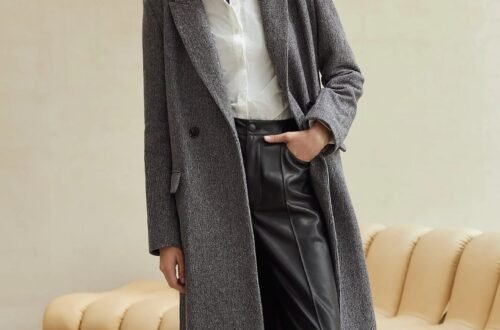
The 6pm invitation when you’re dressed for a 9am meeting is a modern wardrobe challenge — and the dress that handles both is worth its weight in gold. Learning to style the same dress for day and evening isn’t about owning magic clothes; it’s about choosing versatile dresses and mastering the five-minute transformation. Here’s the system.
How to style the same dress for day and evening
It comes down to swapping shoes, layers and accessories — the dress stays, everything around it changes. Below I’ll show the formula with examples, plus which dress styles transition best.
Choose dresses that do double duty
Not all dresses transition well. The best day-to-evening candidates: midi length (works in offices and restaurants alike), solid dark colours or subtle prints (black, navy, burgundy, dark floral — they dress up and down), simple necklines (crew, V-neck, scoop — not too casual, not too plunging), quality fabric with structure (crepe, ponte, substantial jersey — holds its shape all day and looks polished at night), and knee-to-midi sleeves or sleeveless with a layer option.
The hardest-working styles: the wrap midi (see our flattering dress guide), the shirt dress, the slip dress with layers, and the simple black midi. If you’re shopping specifically for versatility, these four cover nearly every scenario.
The 5-minute transformation kit
Keep a small kit at work or in your bag: evening shoes (heeled mules or strappy sandals — the single biggest day-to-night changer), statement earrings (swap studs for drops), a clutch or small bag (swap the work tote), red lipstick (the fastest evening transformation known to beauty), and a hair tie or clip (day hair down, evening hair up — or vice versa). Five items, one small pouch, total transformation.
The transformation formulas
- Office to dinner: Day: dress + blazer + flats + work bag + minimal jewellery. Evening: lose the blazer (or swap for a leather jacket), add heels, statement earrings, clutch, red lip. Time required: 5 minutes in the office bathroom.
- Daytime casual to evening: Day: dress + trainers + denim jacket + crossbody. Evening: swap trainers for heeled boots, denim for blazer, add bold lip and earrings.
- The layer trick: A slip dress worn over a tee with trainers by day becomes a different garment with the tee removed, heels added, and a blazer thrown over — two outfits, one dress.
- Accessorise the shift: A belt added at the waist, a scarf removed, sleeves pushed up, neckline adjusted — small changes that re-proportion the dress for evening. Our accessories guide covers the pieces.
Fabrics and colours that work hardest
Dark, solid colours transition most easily (black, navy, deep green, burgundy). Subtle prints (small florals, pin dots) work; loud prints are harder to dress up or down. Matte fabrics beat shiny for versatility — a matte black dress goes everywhere, a sequinned one goes to parties. And crease-resistant fabrics (see our crease-free fabric guide) matter — a dress that’s been sat in all day needs to still look good at 8pm.
For wedding-guest-level evenings, our wedding guest guide covers the dressier end — and for the daytime office side, office styling principles apply to dresses too.
The philosophy: buy for the harder context (usually work), accessorise for the easier one (evening). A dress that’s appropriate at 2pm in the office can always be glammed up; a dress that’s only appropriate at 10pm in a bar can’t be calmed down. Versatility is purchased at the point of sale — choose well, keep the kit handy, and never miss a 6pm invitation again.
The desk-to-dinner bag: what to pack
The transformation pouch (lives in your work bag): foldable heels or heeled mules (the flat-pack kind, £15–£25 — they genuinely work for an evening), statement earrings, red lipstick + lip liner, mini perfume, hairbrush and a clip or tie, blotting papers, and a clutch that folds flat (or a bag-in-bag: small evening bag inside the work tote). Total pouch size: smaller than a paperback. Total transformation time: 5 minutes.
The bathroom routine: touch up foundation/powder (blotting papers first — layering makeup over the day’s oil looks cakey), bold lip (the single highest-impact change), swap studs for drops, hair up or refreshed (dry shampoo at roots, then restyle), change shoes, swap bags, lose the blazer or add the leather jacket. Done — colleagues won’t recognise the transformation, which is rather the point.
The dresses that need no kit: some dresses transition with zero changes — a black wrap midi with heeled boots works 9am to 9pm as-is. If your lifestyle involves frequent day-to-evening switches, prioritise these “no-kit” dresses when shopping: dark, structured, midi, interesting enough for evening, plain enough for day. The mindset: the desk-to-dinner switch isn’t about deception — it’s about versatility. One dress, two contexts, five minutes. The women who do it effortlessly aren’t more organised than you — they just have the pouch packed and the formula memorised. Now you do too.
The emergency office kit: desk drawer essentials
For the day-to-evening switch and general emergencies: the transformation pouch from the main article (heels, earrings, lipstick, clutch), plus — stain remover pen (£3), mini sewing kit (£2 — for loose buttons and hems), safety pins (5 — the universal fashion fix), fashion tape (£4 — for gaping necklines and slipping straps), blister plasters (new-shoe insurance), deodorant mini, dry shampoo mini, and a lint roller. Total kit cost: under £25. Total drawer space: one pencil case.
What each item saves: the stain pen saves the white shirt at lunch; the sewing kit saves the meeting when a button pops; fashion tape saves the evening when the neckline won’t behave; blister plasters save the walk home in new heels. The shoe swap: keep comfortable flats under the desk — the heels are for the event, not the commute. Your feet (and your gait) will thank you.
Beyond fashion: phone charger, painkillers, tissues, spare tights, a snack (the 4pm meeting survival kit). The philosophy: the emergency kit isn’t pessimism — it’s professionalism. The people who handle wardrobe malfunctions gracefully aren’t luckier; they’re prepared. A £25 kit in a drawer means no crisis is more than a 2-minute fix. Refresh quarterly: check expiry dates, replace used items, update for the season (sun cream in summer, hand cream in winter). The kit is a living system, not a one-time purchase. Pack it once, maintain it lightly, and never be caught out again — whether it’s a day-to-evening switch or a button emergency at 9am.
For endless outfit inspiration and honest product reviews, Good Housekeeping’s UK fashion pages are a reliable source of wearable ideas rather than runway fantasy.