Somewhere along the way, “disposable” became the default: coffee cups used for four minutes and kept for 400 years, shopping bags by the dozen, water bottles by the hundred, food wrapped in plastic wrapped in plastic. The reusable lifestyle flips the default — buy once, use hundreds of times — and it turns out to be cheaper as well as greener. But where do you start without spending a fortune on bamboo everything, and which swaps actually matter?
This guide is the budget-first route to a reusable lifestyle in Britain: the swaps ranked by impact, what they really cost, and how to do it for the price of a weekly shop.
The maths: reusables save money (fast)
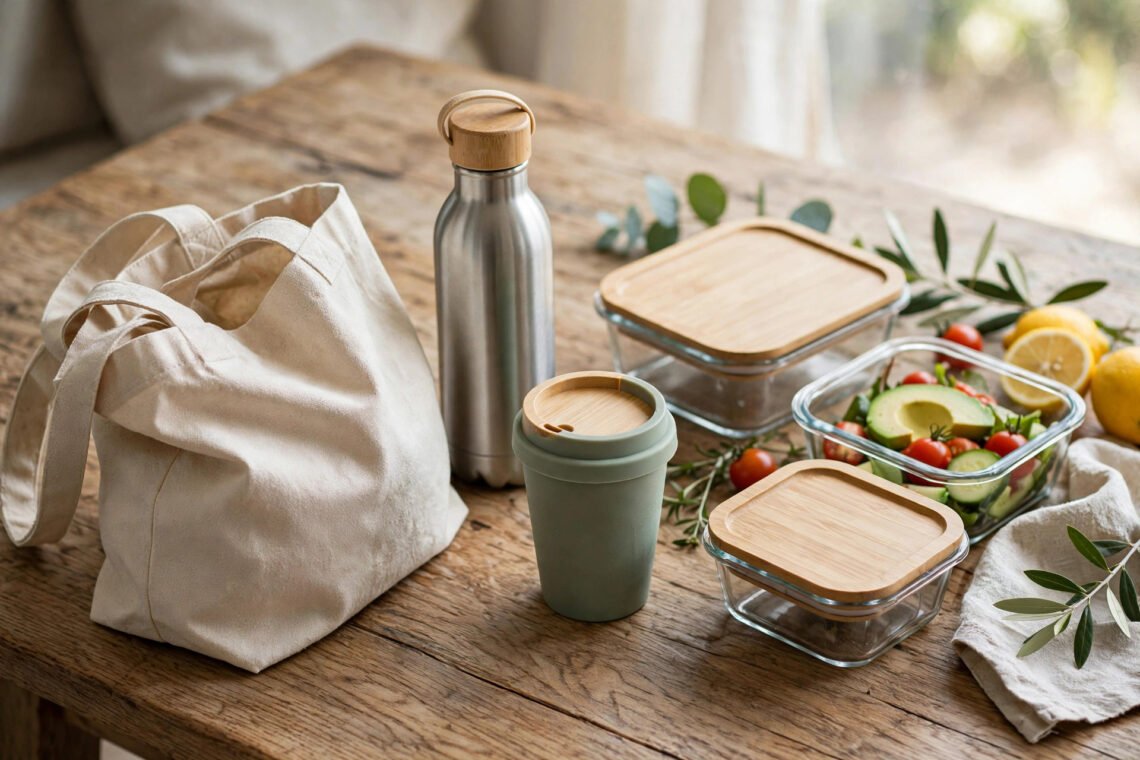
The environmental case is obvious; the financial case is underrated. A reusable coffee cup (£10–£15) pays for itself in just weeks — many chains give 25–50p off per use, so daily coffee drinkers save £60–£120 a year. A water bottle (£8–£15) replaces roughly 150 single-use bottles a year (£75+ at shop prices). Shopping bags (£1–£3 each, or free from the cupboard of forgotten bags) end the 25p-a-bag bleed. Food wraps (beeswax wraps £10–£15 for a set, or silicone lids) replace hundreds of metres of cling film. Total starter kit: £30–£50, payback typically under three months for regular users.
The swaps, ranked by impact
- Reusable shopping bags — the easiest win. Keep them by the door, in the car, in your work bag. The habit takes two weeks to form.
- Water bottle — the UK has excellent tap water; carrying a bottle is pure saving. Refill stations are now widespread in cities.
- Coffee cup — if you buy coffee out more than twice a week, this is your highest-value swap.
- Food storage — glass containers, beeswax wraps and silicone lids replace cling film, foil and disposable tubs. Buy gradually as disposables run out.
- Razor — a safety razor (£15–£25) plus blades at pennies each replaces expensive cartridge systems within months, and gives a better shave.
- Cleaning — refillable cleaning products (many UK supermarkets now have refill stations) and washable cloths replace disposable wipes and single-use bottles.
- Period products — menstrual cups (£15–£25, lasts years) or reusable pads; among the highest-saving swaps available.
Where to get reusables cheaply in the UK
You do not need premium eco-brands. Charity shops are full of barely-used water bottles, glass containers and bags for pennies. Supermarket own-brands now sell decent reusable cups and bottles for under £10. TK Maxx, B&M and Home Bargains regularly stock quality reusables cheaply. And the cheapest swap of all is using what you already own — that cupboard of forgotten tote bags, the glass jars from pasta sauce, the water bottle from a conference. The most sustainable product is the one already in your house. Our guide to finding good quality second-hand clothes online applies the same charity-shop-first philosophy to wardrobes.
Making it stick: the systems
Swaps fail without systems. The door station: bags, bottle and cup live by the front door — if they are not grab-able, they will not be grabbed. The car kit: a spare bag and bottle in the boot covers forgotten-door-station days. The work drawer: cup, cutlery set and a cloth napkin at your desk kill the lunchtime disposable run. The refill habit: bottle gets filled every night with the phone-charging routine. Each system removes one decision, and simple ways to save money on everyday expenses compound with the reusable savings.
For the bigger picture on household waste, Recycle Now (by WRAP) is the UK’s definitive resource on what goes where, and parent organisation WRAP publishes the UK research behind waste-reduction campaigns.
What not to bother with (yet)
Honesty: some swaps are marginal. Reusable straws (unless you need them medically) solve a problem most people do not have. Bamboo toothbrushes are fine but the impact is tiny. Do not buy a £40 “zero-waste starter kit” — the whole point is less consumption, not differently-branded consumption. Start with the big seven above, add more only when a genuine need appears, and never let perfect be the enemy of good enough.
The kitchen deep-dive: food shopping without the plastic
Food packaging is the final frontier of the reusable lifestyle, and it is increasingly winnable. Bring your own bags and containers to butchers, fishmongers, bakeries and market stalls — most are delighted to oblige. Refill stations (now in many supermarkets and zero-waste shops) let you refill dry goods, cleaning products and toiletries into your own containers, often cheaper per unit than packaged equivalents. Buy loose produce rather than pre-packed — it is frequently cheaper as well as less wasteful. And meal-plan to reduce waste: the greenest food is the food you actually eat, and the average UK household bins an astonishing amount of edible food yearly. Reusables plus planning is the complete package.
Raising reusable kids
Children adopt reusables faster than adults — if the systems exist. Pack reusable lunch kits (box, bottle, cutlery, cloth napkin) instead of disposable packaging; it is cheaper within weeks and schools increasingly encourage it. Make it theirs: a bottle or cup they chose themselves gets used; one imposed gets “forgotten”. Normalise it: when the whole family carries bottles and bags, it is just what people do — no lecture required. And involve them in the savings maths: children who understand that the coffee cup discount funds their pocket money become the household’s most diligent reusable enforcers.
Conclusion
A reusable lifestyle on a budget costs £30–£50 to start, pays for itself within months, and runs on systems rather than willpower: door stations, car kits, and the habit of using what you own first. Start with bags, bottle and cup — the holy trinity that covers the vast majority of daily disposable use — the holy trinity of reusables — and expand only as needs arise. The planet benefits, your wallet benefits, and you will wonder why disposable was ever the default.
Frequently Asked Questions
How much does it cost to switch to reusables?
£30–£50 for a solid starter kit (bags, bottle, coffee cup, food wraps) using budget sources — less if you use what you already own. Payback is typically under three months for regular coffee drinkers and bottled-water buyers.
Where is the cheapest place to buy reusable products in the UK?
Your own cupboards first (free), then charity shops, then supermarket own-brands and discount retailers like B&M and Home Bargains. Premium eco-brands are nice but unnecessary — a £8 bottle holds water exactly as well as a £35 one.
Are reusables actually better if I forget them half the time?
Yes — even 50% usage halves your disposable consumption, and the systems in this guide (door stations, car kits) push usage toward 90%+. Perfection is not required for the maths to work strongly in your favour.
How do I clean reusable cups and bottles properly?
Daily rinse with hot soapy water; weekly deep clean with bicarbonate of soda or denture tablets for bottles; cups can go in the dishwasher. Let everything dry fully before sealing — trapped moisture breeds the funk.
Do coffee shops accept reusable cups?
Almost all major UK chains do, and most offer 25–50p discounts. During health scares some briefly paused, but acceptance is now standard. Just hand it over clean — baristas appreciate it more than you know.