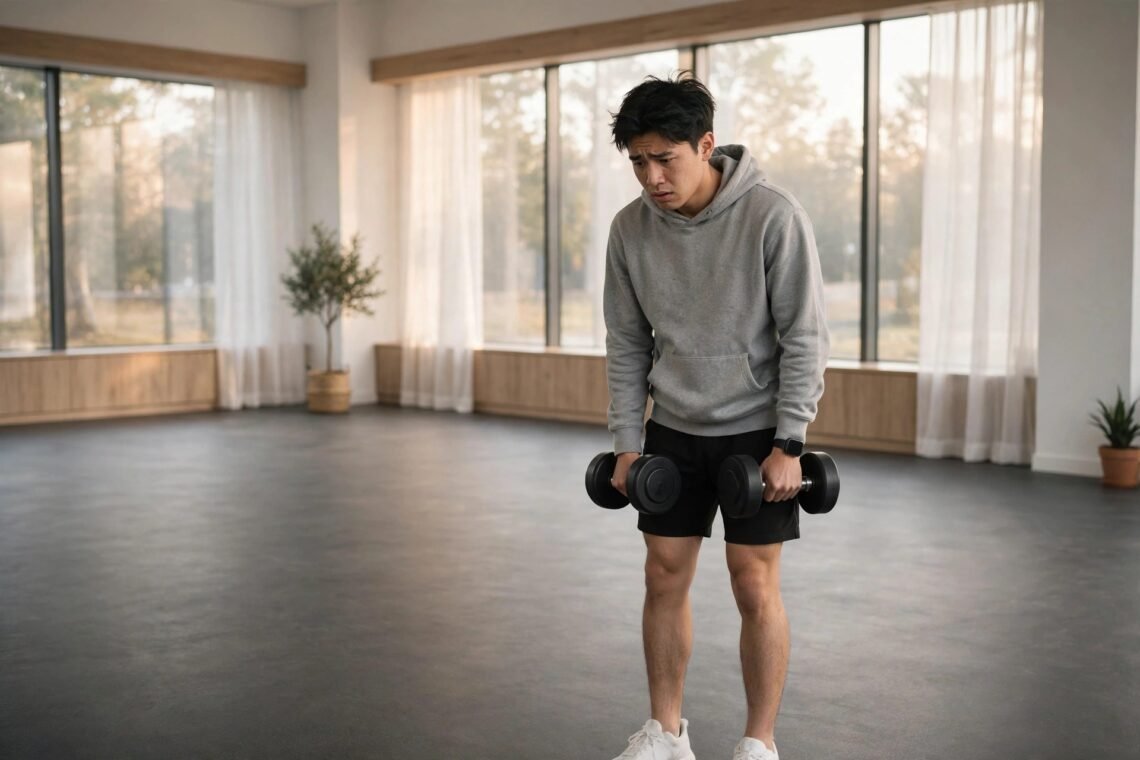
You have decided to get fit. You have chosen a gym, maybe even paid for the membership. And now you are sitting in your car outside, unable to make yourself walk through the door — convinced everyone inside is fitter, stronger and silently judging the new person who does not know how the machines work. If that sounds familiar, you are experiencing gym intimidation, and you are far from alone: surveys repeatedly find it is one of the top reasons people avoid gyms entirely.
Here is the question worth asking: is getting over it actually worth the discomfort? The short answer is yes — enormously so — because the fear is almost entirely a trick of psychology, while the benefits of regular strength and cardio training are among the most proven in all of health science. This guide explains why gym anxiety happens, why your fears are wrong, and the practical steps that take you from car park to confident regular.
Why gym intimidation happens (it is not a character flaw)
Gym anxiety has well-understood psychological roots. The spotlight effect makes us wildly overestimate how much others notice us — in reality, fellow gym-goers are absorbed in their own workouts, mirrors and rest timers. Social comparison kicks in: surrounded by fit-looking people, beginners feel they do not belong, forgetting that every regular was once a nervous newcomer. Unfamiliar environments amplify the effect; not knowing where things are or how equipment works triggers the same unease as starting a new job.
There is also a gendered dimension worth naming: many women report avoiding weights areas dominated by men, a pattern gyms have been slow to address. None of this reflects weakness or vanity — it is normal human psychology in an unfamiliar, high-mirror, performance-visible setting. Understanding that the feeling is common and predictable is the first step to defusing it, because you stop interpreting it as evidence that you do not belong.
What everyone inside is actually thinking (spoiler: nothing about you)
Ask long-term gym members what they notice about newcomers and the honest answer is: almost nothing. Experienced lifters are focused on their own sets, counting reps, managing fatigue and getting through their programme before work. The person you imagine judging your squat depth is actually wondering whether they left the oven on. This is not a guess — it is what gym-goers consistently report when asked.
What regulars do notice, when they notice anything, is usually positive: someone showing up consistently, trying hard, re-racking weights. Gym culture, for all its stereotypes, is overwhelmingly supportive of beginners who are making an effort. The few genuinely judgmental people exist everywhere in life and are not worth organising your health around. Walk in expecting indifference and you will almost always find something warmer.
The practical playbook: your first two weeks
Strategy beats willpower. Start by visiting at off-peak times — mid-morning, early afternoon or late evening on weekdays — when the gym is quieter and staff have time to help. Book the free induction every gym offers: a trainer will show you the equipment, set up a starter programme and answer the “silly” questions in private, which removes most of the fear of the unknown in one session.
For the first fortnight, keep workouts short and simple: 30 to 40 minutes, a handful of machine-based exercises (machines are less intimidating than free weights and hard to get wrong), plus ten minutes of easy cardio. Go with a plan written down — wandering aimlessly amplifies anxiety, while following a list feels purposeful. Consider whether morning or evening workouts are better for your schedule and energy, since training at your best time of day makes everything feel easier. And remember the two-week rule: almost everyone reports the anxiety fading dramatically after a handful of visits, because familiarity dissolves fear.
Building confidence that lasts
Short-term tactics get you through the door; systems keep you coming. Track your workouts — seeing weights and times improve week by week builds the competence that underpins genuine confidence. Learn one new exercise per week via reputable video tutorials, practising with light weights until the movement feels natural. Wear clothes you feel comfortable moving in; nobody cares what you wear, but you will train better when you are not self-conscious.
Consider a few sessions with a personal trainer if budget allows — not forever, just enough to learn safe technique on the big movements. Alternatively, many gyms run beginner-friendly classes where everyone is learning together, which normalises being new. And on days the gym feels like too much, remember that fitness does not live only within those walls: a simple morning exercise routine at home keeps momentum on rest days and builds the baseline strength that makes gym sessions feel easier.
Why pushing through is worth it: the payoff
The benefits waiting on the other side are extraordinary. Strength training is associated with reduced all-cause mortality, better bone density, improved insulin sensitivity and protection against age-related muscle loss — and it improves body composition more effectively than cardio alone for most people. Beyond the physical, regular exercisers consistently report better mood, sharper focus and deeper sleep. The NHS guide to getting active safely recommends muscle-strengthening activities on at least two days weekly precisely because the evidence is so strong.
Then there is the confidence dividend, which compounds. Every intimidating thing you do anyway — the first session, the first time in the weights area, the first class — rewires your sense of what you are capable of. People who conquer gym anxiety often find the confidence leaks into the rest of life: work presentations, social situations, new challenges. Sport England’s support for new exercisers recognises this broader impact, funding programmes specifically designed to welcome the intimidated. The discomfort is temporary; the capability is permanent.
Conclusion
Gym intimidation is a universal, predictable, and almost entirely unfounded fear — and beating it is one of the highest-value things you can do for your health. Go at quiet times, get an induction, follow a simple plan, and give it two weeks. The regulars are not watching you. The equipment is learnable. And the stronger, healthier, more confident person on the other side of that door is worth every nervous minute it takes to walk through it.
Frequently Asked Questions
Is it normal to feel anxious about going to the gym?
Completely normal. Gym anxiety affects beginners of all ages and fitness levels, and it usually fades within a handful of visits as the environment becomes familiar. Off-peak visits and a staff induction speed this up enormously.
What is the best time to go to avoid crowds?
Typically mid-morning (9-11am), early afternoon (1-4pm) and late evening after 8pm on weekdays. Avoid the 5-7pm post-work rush and January, when new-year crowds peak.
Should I get a personal trainer as a beginner?
A few sessions are a worthwhile investment for learning safe technique and building confidence, though not essential. Many beginners do fine with the free gym induction plus reputable online guidance.
What if I do not know how to use the equipment?
Ask staff — helping with this is literally their job, and they do it all day. Start with machines, which guide your movement, and add free weights gradually as confidence grows.
How long until the gym feels normal?
Most people report a dramatic drop in anxiety after 4-6 visits. Within a month of regular attendance, the gym typically feels routine rather than intimidating.