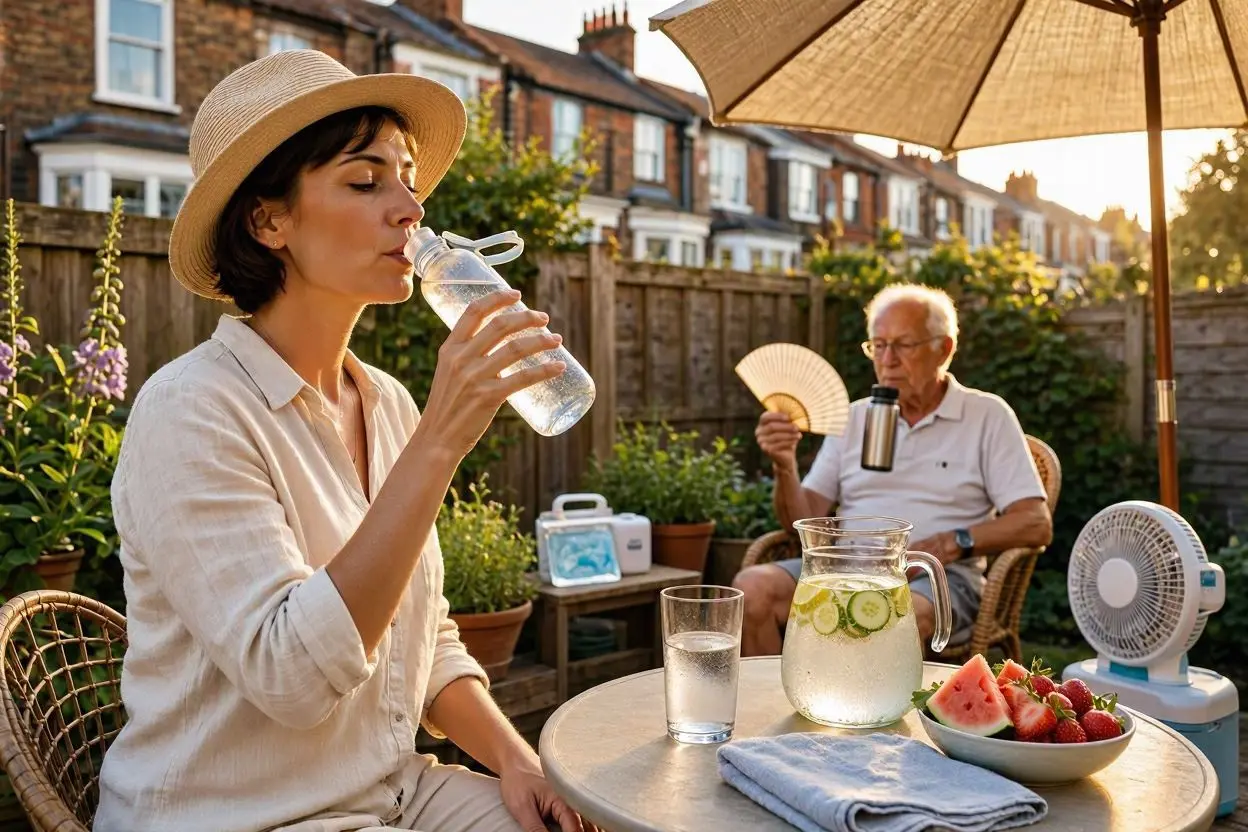
A UK heatwave can make even an ordinary summer day feel exhausting. As temperatures rise, your body loses more fluid through sweating, which can increase the risk of dehydration, heat exhaustion and other heat-related illnesses.
Knowing how to stay hydrated during a UK heatwave is therefore important for everyone, whether you are working from home, travelling, exercising outdoors or simply enjoying the summer.
The good news is that staying hydrated does not have to be complicated. Drinking fluids regularly, carrying water when you go out and paying attention to signs of dehydration can make a big difference.
Why Is Hydration So Important During a UK Heatwave?
Your body naturally cools itself by sweating. When the weather becomes very hot, you may sweat more than usual and lose additional fluids.
If you do not replace those fluids, you can become dehydrated. Dehydration can cause symptoms such as thirst, tiredness, dizziness, headaches and a dry mouth. In more serious cases, it can contribute to heat exhaustion and heatstroke.
UK health guidance recommends drinking fluids regularly during hot weather rather than waiting until you feel very thirsty.
This is particularly important for older adults, young children, pregnant women and people with certain long-term health conditions, as they can be more vulnerable to the effects of extreme heat.
1. Drink Water Regularly Throughout the Day
One of the easiest ways to stay hydrated in hot weather is to make drinking water part of your normal routine.
Instead of drinking a large amount of water only once or twice a day, keep a bottle nearby and take regular drinks throughout the day.
There is no single amount of water that everyone must drink during a heatwave. Your needs can vary depending on your activity level, the temperature, your health and how much you are sweating.
A useful sign is your urine colour. UK government guidance recommends drinking enough fluids so that your urine is a pale straw colour.
If you are spending time outdoors or exercising, you may need to drink more frequently.
2. Always Carry a Reusable Water Bottle
Going outside during a heatwave without water can make it much easier to become dehydrated.
Keep a reusable water bottle with you when travelling, shopping, commuting or exercising. If you are taking a long journey, take enough water with you rather than assuming you will easily find somewhere to buy a drink.
This is particularly useful when using public transport or travelling by car because delays can leave you sitting in warm conditions for longer than expected.
A simple habit of carrying water can make staying hydrated during a UK heatwave much easier.
3. Eat Foods That Contain Plenty of Water
Hydration is not only about what you drink. Many foods also contain a significant amount of water and can be refreshing during hot weather.
Good options include:
- Watermelon
- Strawberries
- Oranges
- Cucumber
- Tomatoes
- Lettuce
- Peaches
- Melons
- Soups and other water-rich foods
Cold fruit can also be an easy snack on a hot day.
However, water should still be your main source of hydration. Do not rely entirely on food to replace the fluids you lose through sweating.
4. Do Not Wait Until You Feel Extremely Thirsty
Thirst is an important signal from your body, but during very hot weather it is better to drink regularly rather than waiting until you feel extremely thirsty.
Try creating simple reminders throughout the day. For example, you could drink some water when you wake up, with meals, before going outside and regularly while working.
If you are exercising or doing physical work in hot conditions, pay even closer attention to your fluid intake.
5. Be Careful With Alcohol During a Heatwave
Alcohol can make it harder to stay properly hydrated, so limiting alcohol during very hot weather is a sensible choice.
If you do drink alcohol, consider alternating alcoholic drinks with water.
UK government guidance specifically recommends limiting alcohol during hot weather because of its dehydrating effect.
Choosing water or an alcohol-free drink instead can also help you stay cooler and feel better the following day.
6. What About Tea and Coffee?
You do not necessarily need to stop drinking tea or coffee during a heatwave.
UKHSA guidance notes that tea and coffee can still contribute to fluid intake. However, if you are relying heavily on caffeinated drinks, it is sensible to include plenty of water and other fluids throughout the day.
Very hot drinks may also make you feel less comfortable when temperatures are already high.
For a simple approach, keep water as your main everyday drink and enjoy tea or coffee in moderation.
7. Choose Drinks Carefully
Water is usually the simplest option when you need to replace fluids.
Diluted squash and lower-fat milk can also be suitable choices. UK government advice recommends limiting drinks that are very high in sugar, including large amounts of fruit juice, smoothies and sugary soft drinks.
You do not necessarily need expensive “hydration” products for an ordinary hot day.
However, if you have been sweating heavily for a long time, particularly during strenuous activity, a sports or rehydration drink may help replace fluids and salts.
People with certain medical conditions or those taking regular medication should ask a doctor or pharmacist if they have specific fluid or salt restrictions.
8. Hydrate Before Going Outside
If you know you will be outside during a hot day, do not wait until you leave home to think about hydration.
Have some water before heading out and take a refillable bottle with you.
Try to plan outdoor activities for cooler parts of the day. UK health advice recommends choosing early morning or evening for physical activities when possible and avoiding the strongest heat around the middle of the day.
This combination of hydration and sensible timing can reduce the strain that heat puts on your body.
9. Keep Your Home Cool Too
Staying hydrated is only one part of staying safe during a UK heatwave.
If your home becomes very warm, your body has to work harder to cool itself down. Closing curtains or blinds in rooms facing the sun can help reduce indoor heat.
When the outdoor air becomes cooler than the indoor air, opening windows can help improve airflow. NHS guidance also recommends keeping living spaces cool and using fans appropriately.
A cooler environment can make it easier for your body to maintain a comfortable temperature.
10. Know the Signs of Dehydration
Recognising dehydration early can help you take action before the problem becomes more serious.
Common signs can include:
- Feeling thirsty
- A dry mouth
- Tiredness
- Dizziness
- Headache
- Darker urine
- Passing urine less frequently
If you notice these signs during hot weather, move somewhere cooler and drink fluids.
If symptoms are severe, persistent or getting worse, seek appropriate medical advice.
11. Understand the Signs of Heat Exhaustion
Dehydration can occur alongside heat-related illness.
Heat exhaustion can cause symptoms such as heavy sweating, headache, dizziness, nausea, tiredness, muscle cramps and a fast pulse.
If someone appears to have heat exhaustion, move them to a cool place, remove unnecessary clothing and give them cool water or an appropriate rehydration drink. Cooling the skin with cool water and using a fan can also help.
According to NHS guidance, the person should start to feel better within about 30 minutes.
12. Know When Heatstroke Is an Emergency
Heatstroke is much more serious than ordinary dehydration and requires urgent medical attention.
Call 999 if someone has signs of heatstroke such as:
- Confusion
- Loss of consciousness
- A seizure
- Very hot skin
- A very high body temperature
- Fast breathing or shortness of breath
- Symptoms that do not improve after cooling and drinking fluids
NHS guidance treats heatstroke as a medical emergency.
Do not assume that someone will simply recover by drinking more water if they are showing serious symptoms.
Who Needs Extra Care During a UK Heatwave?
Although anyone can become unwell in extreme heat, some people are at greater risk.
These can include:
- Older adults
- Babies and young children
- Pregnant women
- People with heart or breathing conditions
- People with kidney problems or other long-term health conditions
- People taking certain medicines
- People who work outdoors
- People doing strenuous physical activity
- People who live alone
NHS guidance recommends checking on people who may have difficulty keeping themselves cool or hydrated.
A quick phone call or visit to an older relative, neighbour or friend can be especially valuable during very hot weather.
A Simple Hydration Routine for Hot Days
If you want an easy routine, try this:
Morning:
Drink some water after waking up and keep a bottle nearby.
During work:
Take regular drinks rather than waiting until you are very thirsty.
Before going outside:
Fill your reusable bottle and take it with you.
During exercise:
Drink regularly and reduce the intensity if the weather is extremely hot.
With meals:
Choose water or another suitable low-sugar drink.
Evening:
Continue drinking fluids regularly, especially if you have been outdoors or sweating heavily.
The exact amount you need will vary, so use thirst, urine colour, activity level and the conditions around you as practical indicators.
Final Thoughts
Learning how to stay hydrated during a UK heatwave is mostly about building a few simple habits.
Keep water nearby, drink regularly, carry a refillable bottle, choose water-rich foods and limit alcohol. If you are exercising or spending several hours outdoors, take extra precautions and plan activities for cooler times of the day.
Most importantly, do not ignore symptoms such as severe dizziness, confusion, extreme weakness or signs of heatstroke. Heat-related illness can become serious quickly.
With a little preparation, you can stay more comfortable and reduce the health risks associated with hot weather.
This article provides general information and is not a substitute for medical advice. If you have a medical condition, take regular medication or have been advised to restrict your fluid intake, speak with your doctor or pharmacist about how to manage hydration during hot weather.
Frequently Asked Questions
How much water should I drink during a UK heatwave?
There is no single amount that is suitable for everyone. Drink fluids regularly throughout the day and more when you are sweating or physically active. A useful indicator is urine colour: pale straw-coloured urine generally suggests you are drinking enough.
What is the best drink to stay hydrated in hot weather?
For most people, water is the simplest choice. Diluted squash and lower-fat milk can also provide fluids. Try to limit excessive alcohol and very sugary drinks.
Should I drink water even if I am not thirsty?
Yes. During very hot weather, it is sensible to drink fluids regularly rather than waiting until you become extremely thirsty, particularly if you are active or spending time outside.
Can tea and coffee count towards hydration?
Yes. Tea and coffee contribute to your overall fluid intake. However, it is still a good idea to include plenty of water throughout the day.
What foods help with hydration?
Water-rich foods such as watermelon, cucumber, oranges, strawberries, tomatoes and melons can contribute to your overall fluid intake.
Are sports drinks necessary during a heatwave?
Not usually for ordinary daily activities. Water is generally a good option. Sports or rehydration drinks may be useful after heavy sweating or strenuous activity because they can help replace fluids and salts.
How can I stay hydrated while travelling during a UK heatwave?
Take a refillable bottle of water with you and consider carrying extra water for longer journeys. Avoid spending unnecessary time in hot, enclosed spaces and plan journeys around the hottest part of the day where possible.
What are the early signs of dehydration?
Thirst, dry mouth, tiredness, dizziness, headache, darker urine and urinating less frequently can be signs that you need more fluids.
What should I do if someone develops heat exhaustion?
Move them to a cool place, remove unnecessary clothing, give them cool water or an appropriate rehydration drink and cool their skin with water and airflow. If they do not improve within around 30 minutes or you are concerned about their symptoms, seek medical help.
When should I call 999 during a heatwave?
Call 999 if you suspect heatstroke, particularly if someone is confused, loses consciousness, has a seizure, has a very high temperature or remains seriously unwell despite cooling and drinking fluids.