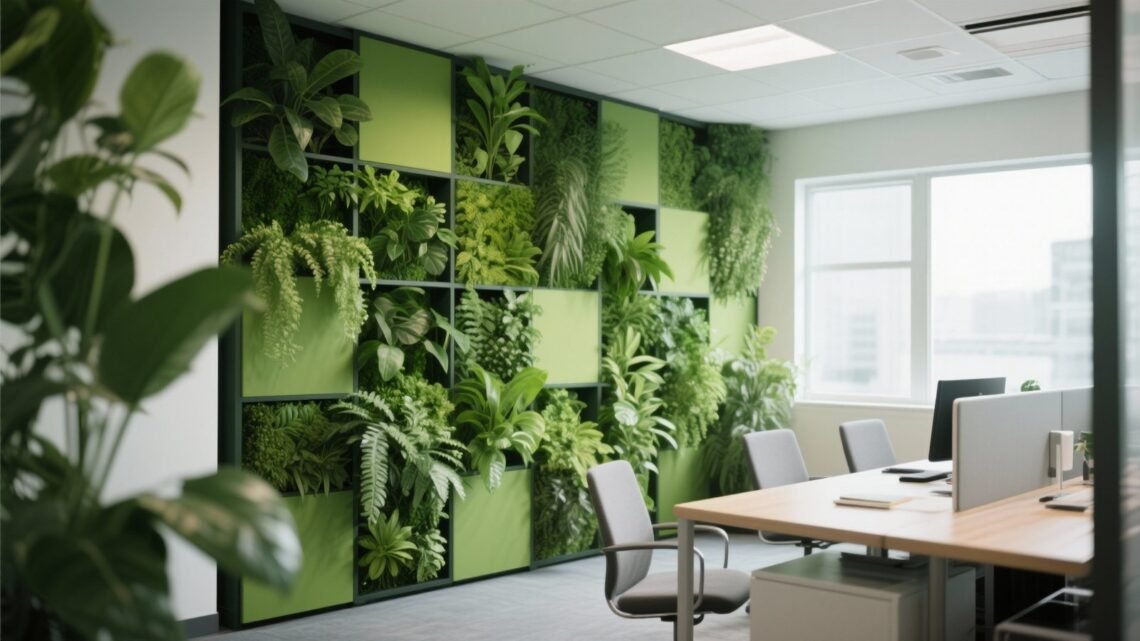
Making your business more eco friendly used to sound like a luxury reserved for big brands with sustainability departments. These days it’s simply good business: energy is expensive, customers notice waste, and staff would rather work somewhere that isn’t trashing the planet. The encouraging part is that the changes that matter most are usually the boring, practical ones — and many of them save you money.
You don’t need to go carbon neutral by Friday. Start with the easy wins, measure what you can, and build from there.
Start With an Honest Look at Your Waste
Before buying anything green, spend a week noticing what your business actually throws away. Walk around with fresh eyes: the bin overflowing with coffee cups, the lights blazing in an empty stockroom, the ancient fridge humming in the corner, the pile of printed emails nobody reads. Most small businesses can spot five obvious problems in an afternoon.
If you want to be a bit more systematic, do a simple waste audit. For one week, note what’s in your bins — packaging, food waste, paper, general rubbish. You don’t need fancy software; a notebook works. The results usually surprise people. One café owner I know discovered that 40% of her bin was milk bottles that could be returned to the dairy, and another found his office was printing 300 pages a week that nobody looked at.
Cut Your Energy Use First — It’s the Biggest Win
Energy is typically a small business’s largest environmental footprint and one of its largest bills, which makes efficiency a rare win-win. Start here:
- Switch to LED lighting throughout. LEDs use up to 80% less energy than old fluorescents and last years longer. The payback period is often under a year.
- Fit smart thermostats and timers so heating and cooling run only when the building is occupied. Heating an empty shop overnight is pure waste.
- Check your tariff. Switching to a renewable electricity tariff is often cost-neutral now, and it instantly cuts your reported emissions.
- Service old equipment. A poorly maintained fridge, boiler or air-con unit can use 20–30% more energy than it should.
- Turn things off properly. Computers, monitors and printers left on standby overnight add up across a year. Smart plugs make this effortless.
For bigger investments — insulation, heat pumps, solar panels — check what support is available. The Carbon Trust publishes free guides for SMEs, and various government grants and tax allowances exist for energy-saving equipment. The savings compound: lower bills every month, year after year.
An Eco Friendly Business Rethinks What It Buys
Everything you purchase has a footprint before it reaches you, so procurement is where an eco friendly approach gets real leverage. You don’t need to overhaul everything at once — apply a simple rule to your top ten purchases:
- Buy less. Do you need a new laptop, or will a £60 SSD upgrade keep the old one going? Extending the life of equipment beats recycling it.
- Buy second-hand where it doesn’t matter. Office furniture, shelving, even refurbished tech — all perfectly good and a fraction of the price.
- Choose concentrated and refillable. Cleaning products, hand soap, printer ink — refills slash packaging and cost.
- Ask suppliers about their practices. You don’t need a formal audit; a quick email asking about packaging and sourcing signals that it matters to you.
- Go paperless where you can. Invoicing, receipts and contracts all work digitally. Keep one decent printer for the rare occasions paper is genuinely needed.
These choices often cut costs too — which is why our guide to reducing costs in a small business overlaps so neatly with going green.
Get Your Team On Board
A sustainability plan that lives in the owner’s head and nowhere else will fizzle out. Make it easy and make it normal:
- Put recycling bins where people actually are, with clear labels — confusion kills recycling rates.
- Provide proper mugs, cutlery and water bottles so disposables aren’t the default.
- Encourage remote or hybrid work where possible; fewer commutes is a genuine emissions cut.
- Offer a cycle-to-work scheme — it’s tax-efficient and staff tend to love it.
- Celebrate progress. “We’ve halved our landfill waste this quarter” on the noticeboard beats a lecture.
Staff often have the best ideas because they see the daily waste first-hand. Ask them. The warehouse team knows exactly which supplier over-packages; the cleaners know what’s being thrown away untouched.
Talk About It — Honestly
Customers increasingly choose businesses that share their values, so it’s worth communicating what you’re doing. But keep it honest and specific. “We’ve switched to renewable electricity and cut our packaging by half” is credible. Vague claims about “saving the planet” invite scepticism — and in the UK, misleading green claims can land you in trouble with the advertising regulators.
A short page on your website listing three or four concrete actions is more persuasive than a glossy sustainability report nobody reads. Update it once a year. If you’re still working on things, say so — customers respect honesty about the journey.
What About Offsetting?
Carbon offsetting — paying for emissions reductions elsewhere — has its place, but treat it as the last step, not the first. Reduce what you can, then offset the remainder through a reputable scheme if you want to claim carbon neutrality. Offsetting without reducing is just paying to feel better, and increasingly, customers can tell the difference.
The Takeaway
An eco friendly business isn’t built in a day — it’s built from dozens of small, sensible decisions about energy, waste, purchasing and transport. Start with the changes that save money, involve your team, and be honest about your progress. You’ll cut costs, attract customers who care, and sleep a little better. And if the mindset appeals to you beyond work, our guide to practical ways to be more eco friendly at home applies the same thinking to your household.
Common Questions About Green Business
How much does it cost to make a small business eco friendly?
Most of the highest-impact changes cost nothing — switching off equipment, reducing printing, adjusting thermostats. LED lighting and smart thermostats typically pay for themselves within a year through lower bills. Bigger investments like solar panels or heat pumps cost thousands but come with long-term savings and occasional grant support. Start with the free wins and reinvest the savings.
Will customers actually pay more for a green business?
Many will, within reason. Surveys consistently show UK consumers prefer sustainable businesses and a sizeable minority will pay a modest premium. But don’t rely on premium pricing alone — the stronger business case is usually cost savings from efficiency, plus the loyalty and reputation benefits. Be honest about what you’re doing; greenwashing destroys trust fast.
How do I measure my business’s carbon footprint?
Start simple: gather a year of energy bills, fuel receipts and waste records, then use a free online carbon calculator for small businesses. That gives you a baseline. Track it yearly and you’ll see which changes actually move the needle. You don’t need a consultant until you’re pursuing formal certification.
Are there grants for green improvements in the UK?
Availability changes often, but local councils, Local Enterprise Partnerships and national schemes periodically offer grants or tax allowances for energy efficiency, low-carbon heating and electric vehicles. Check your council’s business support pages and the government’s business support finder rather than assuming nothing exists.