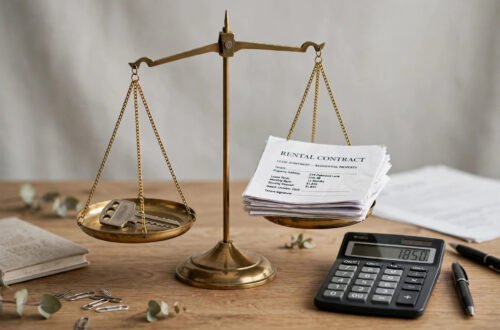
Repossessed properties whisper promises of bargain prices — homes sold below market value by lenders desperate to recover their money. And sometimes the bargains are real: discounts of 10 to 25 per cent below market value are common. But repossessions are also where naive buyers lose money fastest, through hidden damage, legal complications and auction pressure. Buying one safely means understanding exactly what you are getting into, what it really costs, and how to protect yourself.
Why repossessed properties are cheap (and what that tells you)
Lenders repossess when borrowers default, then sell to recover the outstanding loan — not to maximise profit. This creates genuine discounts, but the reasons for the discount should temper your enthusiasm. Repossessed properties are sold as seen, often after periods of neglect or deliberate damage by departing owners. They may have been empty for months, suffering burst pipes, damp, vandalism or stripped fixtures. The discount reflects real risk and real costs.
There is also adverse selection: the most desirable repossessions attract fierce competition, compressing discounts, while the cheapest properties are cheap for reasons that photographs hide. Go in assuming every repossession needs work until proven otherwise, and price accordingly. The bargain is real only if the discount exceeds the true cost of problems — which requires honest assessment, not auction fever. GOV.UK guidance on buying repossessed property outlines the formal process.
The two routes: estate agents and auctions
Repossessions sell through two main channels. Estate agent sales work like normal purchases — viewings, offers, surveys, conveyancing — but with a corporate seller (the lender) that negotiates slowly, sells strictly as seen, and offers no property information beyond the legal minimum. Expect limited disclosure, slow responses and no emotional engagement; the lender’s asset manager is processing a file, not selling a home.
Auctions are faster and more final: the hammer falling creates a binding contract, with completion typically in 28 days and a 10 per cent deposit paid immediately. Auction discounts can be deeper, but the risks are sharper — you commit before full due diligence is possible, and pulling out forfeits your deposit. Modern method of auction (conditional) offers longer completion timescales with reservation fees instead of immediate exchange. Choose your route based on your risk tolerance, speed and financing: auction demands cash or bridging readiness; agency sales suit mortgage buyers who need time. Whichever route, general diligence applies — see checks to run before buying a fixer-upper house.
The true costs: beyond the hammer price
The purchase price is the smallest number in the real calculation. Add: buyer’s premium or auction fees (often 2-5 per cent plus VAT on auction purchases), legal fees (higher for repossessions due to title complications), survey costs (essential — never skip on a repossession), and renovation costs, which routinely surprise. A property discounted £30,000 needing £40,000 of work is not a bargain; it is a trap.
Get realistic renovation estimates before committing: structural issues, damp, rewiring, replumbing, new kitchens and bathrooms add up with terrifying speed — rewiring costs for a three-bedroom house alone run to thousands. Factor finance costs: bridging or auction finance is expensive, and every month of renovation is a month of interest. Add contingency of 20 per cent minimum — repossessions hide problems that surveys miss. And price your time: months of project management have opportunity cost. The safe buyer’s formula: purchase price + fees + realistic renovation + contingency + finance costs < market value of finished property − your required profit margin. If the maths does not work on paper, it will not work in reality.
Legal pitfalls specific to repossessions
Repossessions carry legal quirks that standard purchases do not. Title issues are common: unregistered charges, boundary disputes, missing documents and planning irregularities surface more often. Your solicitor must be thorough and experienced with repossessions — cheap conveyancing is false economy here. Check for sitting tenants or former owners who have not vacated; evicting occupants is your problem after purchase, and it is slow and costly.
Verify planning permission and building regulations for any alterations — repossessed properties often feature unauthorised works by previous owners. Check for Japanese knotweed and other invasive issues that affect mortgageability. Confirm vacant possession in the contract, and understand exactly what is included in the sale (fixtures are often stripped). Shelter’s home-buying advice and support covers buyer protections. Never waive searches or surveys to save time or money on a repossession — that is precisely when you need them most.
Buying safely: the disciplined approach
Safe repossession buying follows a disciplined process. Research the area thoroughly — sold prices for comparable finished properties set your ceiling. View in person, ideally with a builder, and assume the worst about hidden issues. Get a full structural survey, not just a homebuyer report; the extra cost is trivial against the risks. Line up financing before bidding — auction purchases demand immediate deposits and fast completion.
Set a hard maximum price (purchase + renovation + fees + contingency + profit margin = ceiling) and do not exceed it, whatever the auction-room adrenaline says. Have your solicitor review the legal pack before auction day, not after. And start small: your first repossession should be a straightforward cosmetic project, not a structural rebuild. Experience is earned through completed projects, and the investors who survive in this market are those who bought with discipline, renovated with realistic budgets, and never fell in love with a “bargain”.
Conclusion
Repossessed properties offer genuine discounts — typically 10 to 25 per cent — but the discount compensates for real risks: hidden damage, legal complications, renovation costs and auction pressure. Buy safely by researching thoroughly, surveying properly, costing honestly with contingency, and bidding with discipline. The bargain hunters who profit are not the bravest; they are the most methodical.
Frequently Asked Questions
How much cheaper are repossessed properties?
Typically 10-25% below market value, though the best properties attract competition that narrows discounts. The cheapest are usually cheap for reasons requiring careful investigation.
Can I get a mortgage on a repossessed property?
Often yes for habitable properties via estate agents, but many auction repossessions are unmortgageable (no kitchen, bathroom or heating), requiring cash or bridging finance. Check mortgageability before bidding.
What are auction fees on repossessed properties?
Buyer’s premiums typically run 2-5% plus VAT, plus legal and survey costs. Factor all fees into your maximum bid — they come off your profit, not on top of the bargain.
What if the previous owner will not leave?
Eviction becomes your responsibility and legal process after purchase. Verify vacant possession contractually and factor potential delays and costs into your plans.
Should beginners buy repossessed properties?
Cautiously — start with straightforward cosmetic projects via estate agents rather than auction structural rebuilds. Build experience before tackling complex repossessions.
Do repossessed properties come with guarantees?
No — they are sold strictly as seen, usually with minimal disclosure from the lender. Your survey, searches and solicitor are your only protection, so never economise on them.
How do I find repossessed properties for sale?
Through estate agents (ask to be notified of repossessions), auction houses’ catalogues, and specialist property portals. Build relationships with local agents who handle lender sales.
Are repossessed properties sold with vacant possession?
Usually, but not always — verify contractually. Former owners or tenants occasionally remain, and eviction becomes your costly problem, so confirm before you bid.