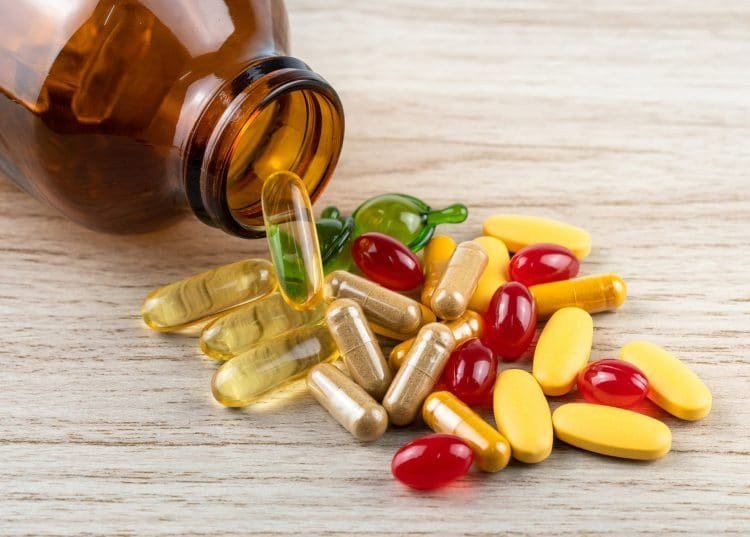
Open anyone’s kitchen cupboard and you’ll probably find a small pharmacy of good intentions: vitamin D for winter, vitamin C “for immunity”, a multivitamin for insurance, maybe some fish oils gathering dust. But is it actually safe to take vitamins every day long term? The answer most people don’t expect: for most vitamins, yes — but a few can cause real harm in excess, and most of us are supplementing nutrients we don’t need while missing the ones we do.
Vitamins split into two camps that matter here. Water-soluble vitamins (C and the B group) dissolve in water; excess is mostly peed out, making toxicity rare. Fat-soluble vitamins (A, D, E and K) are stored in body fat and the liver, so they can accumulate to harmful levels over time. That distinction is the key to the whole question.
Is it safe to take vitamins every day long term?
For most people, a basic vitamin D or multivitamin is safe long-term — but megadoses of certain vitamins carry real risks. Here’s what the evidence says, which ones are worth taking, and the doses to avoid.
Which daily vitamins are genuinely safe long term
For most healthy adults, a standard daily multivitamin at roughly 100% of the recommended intake is safe indefinitely — it’s designed to fill gaps, not megadose. Specific supplements with strong safety records at recommended doses include:
- Vitamin D (10mcg/400 IU daily): Actively recommended for everyone in the UK from October to March, and year-round for people with little sun exposure. Safe long term at this dose.
- Folic acid (400mcg): Recommended for anyone who could become pregnant; safe for ongoing use.
- Vitamin B12: Worth supplementing if you’re vegan or over 50 with low intake — no established upper limit because excess is excreted.
- Vitamin C: Safe even at fairly high doses long term, though above 1,000mg daily can cause stomach upset and diarrhoea.
If your diet is patchy — and whose isn’t, some weeks — a basic multivitamin is reasonable nutritional insurance. Just don’t expect it to transform your health; the NHS guide to vitamins and minerals is admirably blunt that most people get everything they need from food.
The vitamins that can harm in excess
This is the part the supplement industry doesn’t put on the label in big letters. Fat-soluble vitamins accumulate, and chronic overdosing causes genuine problems:
- Vitamin A (retinol): Regular intake above 1.5mg daily over years can thin bones and increase fracture risk; very high doses damage the liver. Pregnant women must be especially careful. (Beta-carotene from food is safe — the body only converts what it needs.)
- Vitamin D in megadoses: Fine at 10mcg; but some “high strength” products contain 100mcg+ and long-term excess causes calcium build-up, harming kidneys and heart.
- Vitamin E: High-dose supplements long term have been linked in some studies to increased bleeding risk and possibly higher mortality — best got from nuts and oils, not pills.
- Iron: Not a vitamin, but the commonest supplement toxicity — men and post-menopausal women rarely need it, and excess iron damages organs. Only supplement on medical advice.
- Vitamin B6: The exception among water-soluble vitamins — doses above 10mg daily long term can cause nerve damage (numbness, tingling). Some “energy” B-complexes contain far more.
The pattern: problems come from high-dose single nutrients taken for months or years, not from a standard multivitamin. Check labels — if one pill contains 500% of your daily B6, that’s a product to question.
Who actually needs daily supplements?
UK guidance singles out a few groups: everyone for vitamin D in autumn/winter; vegans for B12 (and possibly iodine and selenium); pregnant women or those trying to conceive for folic acid and vitamin D; people over 65 for vitamin D year-round. Beyond that, it’s about individual gaps — heavy periods might mean iron (check with your GP first), very restricted diets might mean a multivitamin. If you’re unsure, a GP can check levels for D, B12, folate and iron with a simple blood test rather than guessing.
Getting nutrients from food first
Supplements are called supplements for a reason — they supplement a diet, not replace one. Nutrients from food come packaged with fibre, phytonutrients and better absorption, and no pill replicates that. A colourful, varied diet covers nearly everything: oily fish, eggs, dairy or fortified alternatives, legumes, nuts, whole grains and plenty of veg.
If budget is the barrier to eating well, it doesn’t have to be — our guide to eating healthier on a tight budget in the UK shows how far smart shopping goes. And for the winter months specifically, see how to boost your immune system naturally in winter, which covers the vitamin D question in detail.
The bottom line
So, is it safe to take vitamins every day long term? A standard multivitamin or vitamin D at recommended doses: yes, indefinitely. High-dose single nutrients for months on end: that’s where the risks live — especially vitamins A, D, E, B6 and iron. Buy the boring own-brand multivitamin, skip the megadose “super” formulas, get the genuinely useful ones (vitamin D in winter, B12 if vegan), and spend what you save on actual vegetables. Your body will do the rest.
Reading supplement labels like a pro
Supplement labels are designed to impress, not inform — but a few label-reading skills cut through the noise. Check the %NRV (Nutrient Reference Value): this tells you what fraction of your daily need one pill provides. Around 100% is sensible; 500%+ of B6 or vitamin A deserves scepticism. Distinguish forms: “vitamin D3 (cholecalciferol)” is the effective form; “magnesium oxide” is poorly absorbed compared to citrate or glycinate; “retinol” is preformed vitamin A (the one to watch in excess) while “beta-carotene” is the safe precursor.
Watch the “proprietary blend”: this lets manufacturers hide tiny doses of expensive ingredients behind impressive-sounding totals — if the blend is 500mg across 12 ingredients, you’re getting fairy dust of most of them. Ignore the front, read the back: “immune support,” “super strength,” “maximum absorption” are unregulated marketing; the ingredients table and NRV percentages are the truth. Check for third-party testing: Informed Sport or similar marks matter for athletes; for general supplements, buying from established UK pharmacies (Boots, Holland & Barrett, supermarkets) is safer than random marketplace sellers — counterfeit and contaminated supplements are a real problem online.
The minimalist’s supplement shelf: for most UK adults, that’s vitamin D (Oct–Mar), and only add others for specific reasons — B12 if vegan, folic acid if pregnancy is possible, iron only if deficient (confirmed by blood test). Everything else should be justified by a genuine dietary gap, not a marketing claim. A short, purposeful shelf beats a long, hopeful one — and your cupboard (and wallet) will thank you.
Supplements for specific life stages
Pregnancy and trying to conceive: folic acid 400mcg daily (from before conception to week 12 — prevents neural tube defects), vitamin D 10mcg, and avoid vitamin A and retinol supplements and high-dose multivitamins (excess vitamin A harms fetal development). Your midwife will advise on pregnancy-specific formulations. Over 65: vitamin D year-round (less sun exposure, less efficient skin synthesis), B12 (absorption declines with age — deficiency causes fatigue and cognitive symptoms often mistaken for just ageing), and calcium via diet (dairy, fortified alternatives, leafy greens) rather than supplements unless advised.
Vegans: B12 is non-negotiable (no reliable plant sources — supplement 25 to 100mcg daily or 2,000mcg weekly), plus consider iodine, selenium (one Brazil nut daily covers it), and vitamin D in winter. Heavy periods: iron may be needed — but confirm deficiency with a blood test first (supplementing iron you do not need causes more harm than good). Everyone else: a basic multivitamin is reasonable insurance if your diet is patchy, but audit your diet first — the money is usually better spent on better food.
Interactions to know: calcium and iron block each other’s absorption (take at different times); vitamin K interacts with warfarin (keep intake consistent, and do not start or stop supplements without telling your doctor); St John’s Wort interacts with many medications including the contraceptive pill (it can reduce effectiveness — this one catches people out); and high-dose vitamin E can increase bleeding risk with blood thinners. Always tell your GP and pharmacist what supplements you take. Natural does not mean inert, and interactions are the commonest supplement harm of all.