
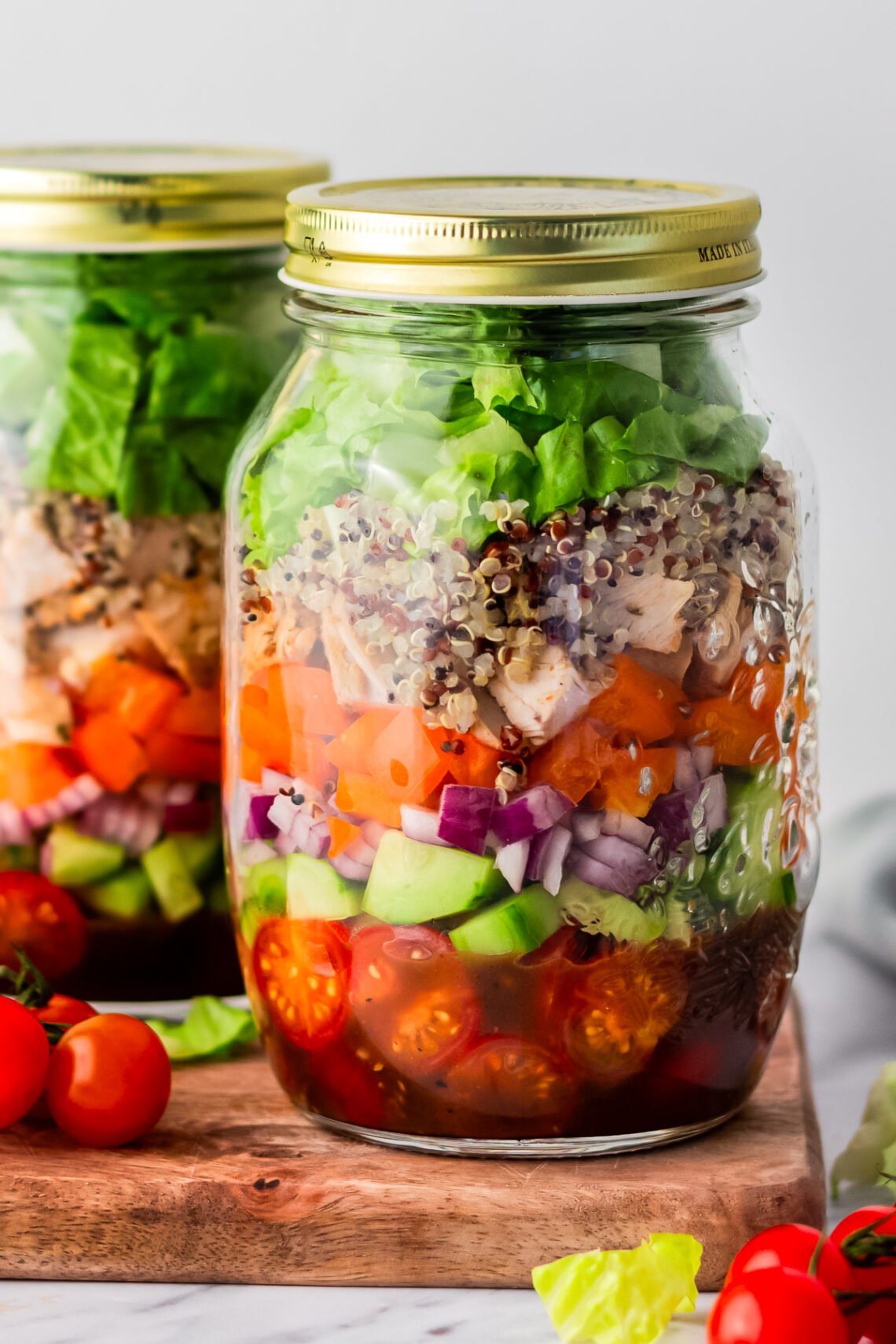
You buy a beautiful bag of salad on Monday with the best intentions. By Thursday it’s a sad, slimy puddle at the bottom of the bag, and by Friday it’s in the bin. Sound familiar? Learning what is the best way to keep salad fresh for a week isn’t about fancy gadgets — it’s about understanding why salad goes off and removing the three things that kill it: moisture, air, and bruising.
Bagged salad is the UK’s most wasted food item, with millions of bags binned yearly. But with the right handling, a bag of leaves can genuinely last 7 days — sometimes longer. Here’s the method that actually works.
What is the best way to keep salad fresh for a week: the method
Step 1: Open the bag immediately
Don’t leave salad in its original bag. Those bags are designed for transport, not storage — once opened, they trap moisture against the leaves, which is exactly what causes slime. Tip the whole bag out as soon as you get home.
Step 2: Sort and discard
Pick through the leaves and remove anything already slimy, brown or damaged. One rotting leaf genuinely does spoil the bunch — decay spreads through contact and moisture. Be ruthless; it’s better to lose five leaves now than the whole bag by Wednesday.
Step 3: Wash (if needed) and dry thoroughly
Bagged salad is usually pre-washed, but loose leaves need a rinse. Either way, the critical step is drying. Wet leaves rot; dry leaves last. A salad spinner (£8–£12) is the single best investment for salad longevity — 30 seconds of spinning removes astonishing amounts of water. No spinner? Roll the leaves gently in a clean tea towel.
Step 4: The paper towel trick
Line an airtight container (or a large zip-lock bag) with a dry sheet of kitchen paper. Add a loose layer of leaves — don’t pack them tight. Lay another sheet of paper on top. Seal and refrigerate. The paper absorbs excess moisture while the sealed container keeps air out. Check and replace the paper if it gets damp mid-week.
Step 5: Fridge placement matters
Store salad in the main body of the fridge, not the door (temperature fluctuates too much) and ideally in the salad crisper drawer, which maintains higher humidity. Keep it away from the back wall where things can freeze, and away from ethylene-producing fruit like bananas and apples, which accelerate decay.
Which salads last longest?
Not all leaves are equal. Sturdy leaves — romaine, little gem, kale, cabbage — last far longer than delicate ones. A head of romaine, stored properly, can last 10 days. Pre-cut mixed leaves are the most perishable because every cut edge is a decay starting point. If longevity matters, buy whole heads and chop as needed — it’s cheaper too.
Herbs deserve the same treatment: treat soft herbs (coriander, parsley) like flowers — trim the stems and stand them in a glass of water in the fridge with a bag over the top. They’ll last two weeks. This pairs well with my guide to storing fresh herbs — though honestly, the methods overlap heavily.
Reviving wilted salad
Limp but not slimy? There’s hope. Plunge wilted leaves into a bowl of ice water for 15–30 minutes — they’ll crisp up remarkably as the cells rehydrate. This works for lettuce, spinach and herbs. Slimy or brown-spotted leaves, though, are beyond saving. Compost them and move on.
Making salad worth keeping
Here’s the uncomfortable truth: a lot of salad gets binned because nobody wanted to eat it. Make salads people actually look forward to and the storage problem halves. That means proper dressing (added at serving, never before — dressed leaves die within hours), interesting textures (nuts, cheese, croutons), and enough substance to be satisfying. A sad bowl of undressed leaves is destined for the bin no matter how well you store it.
Batch-prepping salad components separately — washed leaves in one box, chopped veg in another, dressing in a jar, toppings in a third — means you can assemble fresh salads all week in two minutes. It’s the same principle as meal prepping lunches for the week, applied to salad. And for the bigger picture on cutting waste, the Love Food Hate Waste campaign has excellent resources.
Five no-recipe salads worth making weekly
Once your leaves are lasting all week, you need salads worth eating. These are formulas, not recipes — adapt freely:
1. The grain bowl salad
Cooked bulgur wheat or couscous + roasted sweet potato + chickpeas + spinach + tahini-lemon dressing. Hearty enough for dinner, keeps 3 days dressed (sturdy grains don’t wilt). The meal-prep champion.
2. The Italian chopped
Romaine + cherry tomatoes + cucumber + red onion + olives + mozzarella + salami pieces + olive oil and red wine vinegar. Chop everything small so every forkful has a bit of everything. Aggressively satisfying.
3. The Asian crunch
Shredded cabbage + carrots + edamame + spring onions + toasted sesame seeds + soy-sesame-ginger dressing. The cabbage stays crunchy for days — this is the salad that actually improves overnight as the dressing soaks in.
4. The fruity one
Spinach + sliced strawberries or apple + toasted walnuts + feta + balsamic glaze. Sweet-salty-crunchy in every bite. The gateway salad for salad sceptics.
5. The store-cupboard salad
Tinned tuna + white beans + red onion + capers + parsley + lemon and olive oil. No fresh leaves required — this is the salad for the end of the week when the fresh stuff is gone. Pantry to plate in 5 minutes.
The dressing formula
Every vinaigrette is: 3 parts oil, 1 part acid (vinegar or citrus), salt, plus flavour (mustard, honey, garlic, herbs). Whisk in a jam jar, keep in the fridge for 2 weeks. Make one on Sunday and the week’s salads dress themselves. Never buy bottled dressing again — homemade takes 2 minutes and tastes 10 times better.
Salad for the seasons
Winter salads deserve love too: roasted squash and kale with warm dressing, shredded Brussels sprouts with apple and walnuts, or a hearty grain-based lunch that eats like a warm meal. The “salad” concept stretches further than cold leaves — think of it as “vegetables with dressing,” and the possibilities open up year-round.
Keep salad fresh for a week and you’ll stop throwing money in the bin — literally. A £1.50 bag saved weekly is £78 a year. Small habits, real money.


