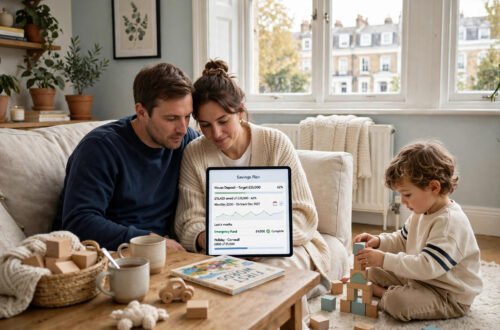
Freelancing in Britain comes with a peculiar financial juggling act: client A pays in 14 days, client B pays in 60, HMRC wants its cut twice a year, and your personal current account is somehow supposed to make sense of it all. Choosing the right bank account won’t fix late payers — but the wrong one will quietly cost you hundreds a year in fees,FX charges, and missed tax pots.
Whether you’re a designer in Leeds, a consultant in London, or a tradesperson in Cardiff, here’s how to choose a business bank account for freelancing in 2026 — and when you can honestly get away without one.
Do You Legally Need a Business Account?
Short answer: no — unless you’re a limited company. Sole traders can legally use a personal account, and many do. But “can” and “should” diverge fast. Mixing business and personal money makes Self Assessment a forensic exercise, muddies your expense claims, and looks unprofessional when clients see payments going to a personal name.
If you operate as a limited company, it’s not optional: a separate business account is effectively required, since company money legally isn’t yours until you pay it to yourself. The gov.uk guidance on running a limited company is clear that proper separation of finances is a director’s responsibility.
What Freelancers Actually Need From an Account
Forget the glossy marketing. Rank providers on these five things:
1. Fees that match your reality
Traditional banks often charge £6–£8 monthly plus per-transaction fees — fine for high-turnover businesses, punishing for a freelancer with lumpy income. App-based providers (Starling, Monzo Business, Tide, Revolut Business) typically offer free tiers with generous allowances. Do the maths on your transaction pattern: a £7/month fee is £84 a year before you’ve earned anything in January.
2. Tax pots and budgeting tools
This is the killer feature for freelancers. The best business accounts let you automatically squirrel a percentage of every incoming payment into a separate “tax pot” — 25–30% is the usual rule of thumb. Come January’s Self Assessment deadline, the money is just there. Understanding your freelance tax bill is step one; automating the saving is step two, and it prevents the classic freelancer crisis of a £4,000 tax bill with £400 in the account.
3. Invoicing and accounting integration
If you use FreeAgent, Xero, or QuickBooks, check the bank feeds integrate cleanly — broken feeds mean manual reconciliation, which means hours of your life. Some providers bundle free accounting software (a genuine £100+/year value). The best free accounting tools for small businesses pair particularly well with app-based banks.
4. International payments and FX
Freelancers with overseas clients get quietly robbed by FX spreads. Traditional banks often mark up exchange rates by 2–4%; fintech providers typically charge 0.3–1%. On £20,000 of annual overseas income, that’s a £400–£700 difference — worth more than any monthly fee debate.
5. FSCS protection
Whatever you choose, confirm deposits are covered by the Financial Services Compensation Scheme up to £85,000. Most UK-licensed banks are; some e-money providers aren’t (they safeguard funds differently). The FCA’s consumer pages explain how to check a provider’s status in two minutes.
The 2026 Landscape: Your Realistic Shortlist
Starling Bank: the freelancer favourite — free business account, excellent tax pots (“Spaces”), solid app, FSCS-protected. Weaknesses: limited branch access (it’s digital-only) and no free accounting bundle on the free tier.
Monzo Business: superb app and budgeting tools, free Lite tier plus paid tiers with deeper features. Great if you already bank personally with Monzo and want everything in one place.
Tide: built specifically for small businesses, with invoicing and company formation extras. Free tier available; some features sit behind paid plans.
High-street banks (Barclays, Lloyds, NatWest, HSBC): often 12–24 months free banking for startups, then monthly fees. Worth it if you want branch access, cash deposits, or an eventual business loan relationship — overkill if you’re a laptop freelancer who never handles cash.
The Setup Most Freelancers Should Copy
The configuration that works for the majority: one app-based business account (free tier) receiving all client income, with automatic tax pots at 25–30%, integrated with free or cheap accounting software, plus a personal account for salary-style monthly transfers to yourself. Pay yourself a fixed “wage” on the 1st — it transforms chaotic freelance income into something that feels like a salary, which makes pricing your work properly far easier because you can see exactly what the business must earn.
When to Switch (and When Not To)
Your first business account doesn’t have to be your forever account. Switch when: fees no longer match your volume (free tiers cap transactions — growing businesses outgrow them), you need features you’ve outgrown (multi-user access, advanced invoicing, lending), or service deteriorates. The Current Account Switch Service covers many business accounts too, moving payments automatically within 7 days.
Don’t switch when: you’re mid-tax-year with messy books (wait for April), you’re about to apply for a mortgage (lenders like stability), or the saving is trivial (£3/month isn’t worth the admin). Review annually alongside your tax return — ten minutes asking “does this account still fit?” prevents both loyalty-tax overpaying and pointless churn. The best account is a decision you revisit, not a marriage.
Key Takeaways
- Sole traders aren’t legally required to have a business account — but mixing finances makes Self Assessment miserable; limited companies must separate.
- Rank providers on five things: fees matched to your volume, automatic tax pots, accounting integration, fair FX rates, and FSCS protection.
- Automate tax saving: 25–30% of every payment into a tax pot turns January’s bill from crisis into non-event.
- Watch FX spreads: traditional banks’ 2–4% markups cost £400–£700 a year on £20,000 of overseas income versus 0.3–1% at fintechs.
- Pay yourself a monthly wage: a fixed transfer on the 1st converts chaotic freelance income into something plannable.
The Bottom Line
The best bank account for freelancers in 2026 is the one with fees matched to your transaction volume, automatic tax pots, clean accounting integration, fair FX rates, and FSCS protection — which for most UK freelancers points to a free-tier app-based provider rather than a high-street bank. Set it up before your next invoice goes out, automate the tax saving, and pay yourself a monthly wage. Future-you, facing January’s tax bill with money already set aside, will be enormously grateful.
Frequently Asked Questions
Can a sole trader use a personal bank account in the UK?
Legally yes, but it’s strongly discouraged. A separate business account simplifies Self Assessment, keeps expenses clean, and looks professional. Limited companies must keep business finances separate by law.
What is the best free business bank account for UK freelancers?
Starling Bank and Monzo Business (Lite) are the most popular free options, both offering tax pots, invoicing tools, and FSCS protection. The best choice depends on your transaction volume and whether you need international payments.
How much should freelancers save for tax?
A common rule of thumb is 25–30% of profit set aside for income tax and National Insurance. Higher earners and those with student loan repayments should save more. Automatic “tax pots” in business banking apps make this painless.
Do business bank accounts affect my credit score?
Business accounts themselves don’t typically appear on your personal credit file, but hard searches during application can leave a mark, and personally guaranteed business borrowing does affect you. Keep business borrowing separate where possible.
Can I open a business account before I have clients?
Yes — most providers let you open an account as soon as you’re registered as self-employed or have formed your company. Setting it up before the first invoice arrives is ideal.